

Tinubu's Food Security Efforts Strained by Rising Costs
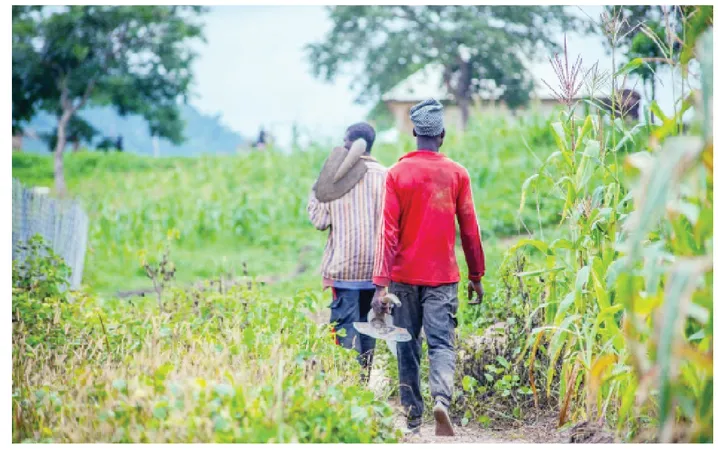
Three years after President Bola Tinubu declared a state of emergency on food security on 13 July 2023, challenges such as rising agricultural input costs, limited access to government support, and insecurity continue to undermine the effectiveness of federal interventions. Farmers report increased production costs despite government efforts to boost food output.
The federal government has implemented several measures, including the recapitalisation of the Bank of Agriculture, the National Agricultural Growth Scheme and Agro-Pocket, and the introduction of the Guaranteed Minimum Price programme. The Minister of State for Agriculture and Food Security, Aliyu Sabi Abdullahi, reported in February 2026 that the National Agricultural Growth Scheme and Agro Pocket had produced 2.53 million metric tonnes of crops valued at N2.31 trillion.
However, the rising costs of fertilisers and tractor services have significantly increased financial burdens on farmers, leading to concerns about food prices. The Minister of Agriculture and Food Security, Abubakar Kyari, claimed essential food prices had dropped by up to 50 percent, a statement disputed by traders and sellers.
Plus234Feed summary based on reporting from Leadership Newspaper. Read the original report below.
Read full article
Continue on Leadership Newspaper
Get the week in one email
Top stories, NPFL results, the naira, every Friday morning. Free, one email a week.
Related Stories

Agriculture Minister Kyari Addresses High Food Prices in Nigeria
Abubakar Kyari Reports 50% Drop in Food Prices Nationwide

Nigerian Government Blames Middlemen for Food Scarcity

Niger Governor Bago Addresses $3 Billion Food Imports

Peter Obi Urges National Emergency on Hunger Crisis
Tinubu's Economic Reforms Drive Up Costs and Poverty
Get Plus234Feed on messaging apps
Same headlines, delivered where you already scroll.