Power Disruptions Highlight Nigeria's Electricity Crisis
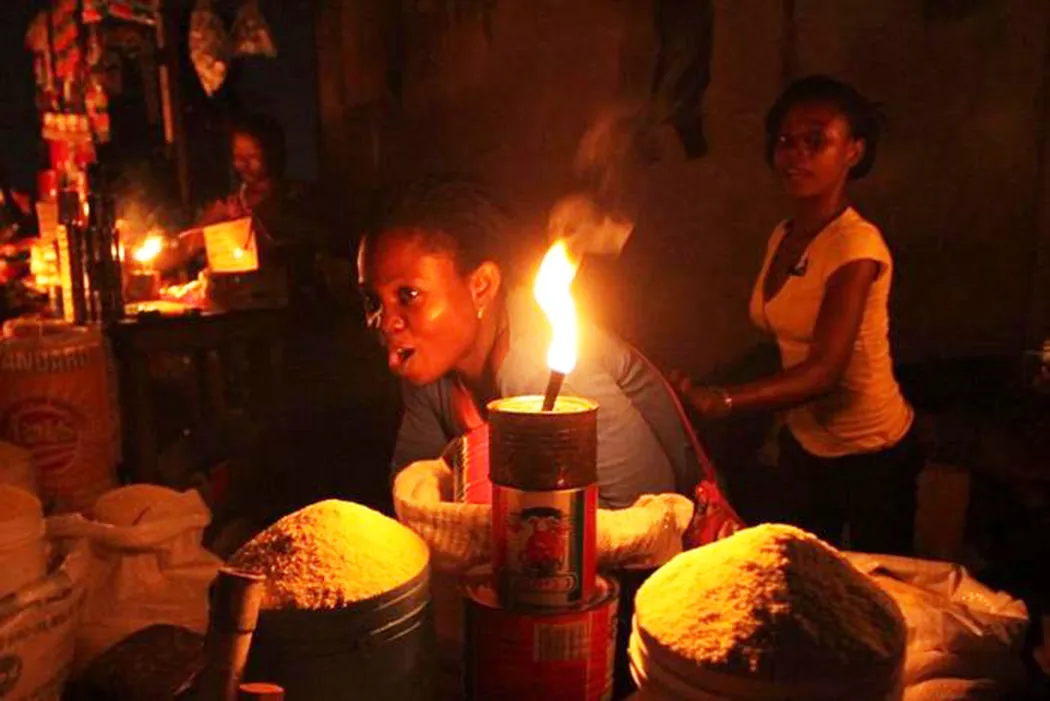
As Nigeria approaches the general election, renewed power disruptions reveal the fragility of the country's electricity system, significantly impacting households and businesses. On October 19, electricity generation plummeted from approximately 3,840 megawatts to 476.70 megawatts, a loss of 3,363.30 megawatts or 87.6 percent.
Major power stations, including Egbin, Jebba, Shiroro, and Kainji, reported zero output during this incident. The Nigerian Independent System Operator attributed the disruption to multiple trippings on the 330kV transmission network, classifying it as a partial disturbance rather than a total collapse.
This incident underscores broader systemic issues in Nigeria's electricity sector, which include challenges in generation, gas supply, transmission, and payment obligations. The Nigerian Electricity Regulatory Commission reported an average available generation capacity of 5,038 megawatts and an average hourly generation of 4,089 megawatts in September 2026.
The ongoing electricity unreliability exacerbates economic disparities, as wealthier households can afford backup power while poorer families face prolonged deprivation.
Read the original