Atiku Pins Bakery Collapse on Tinubu's Energy Costs, Rising Rates
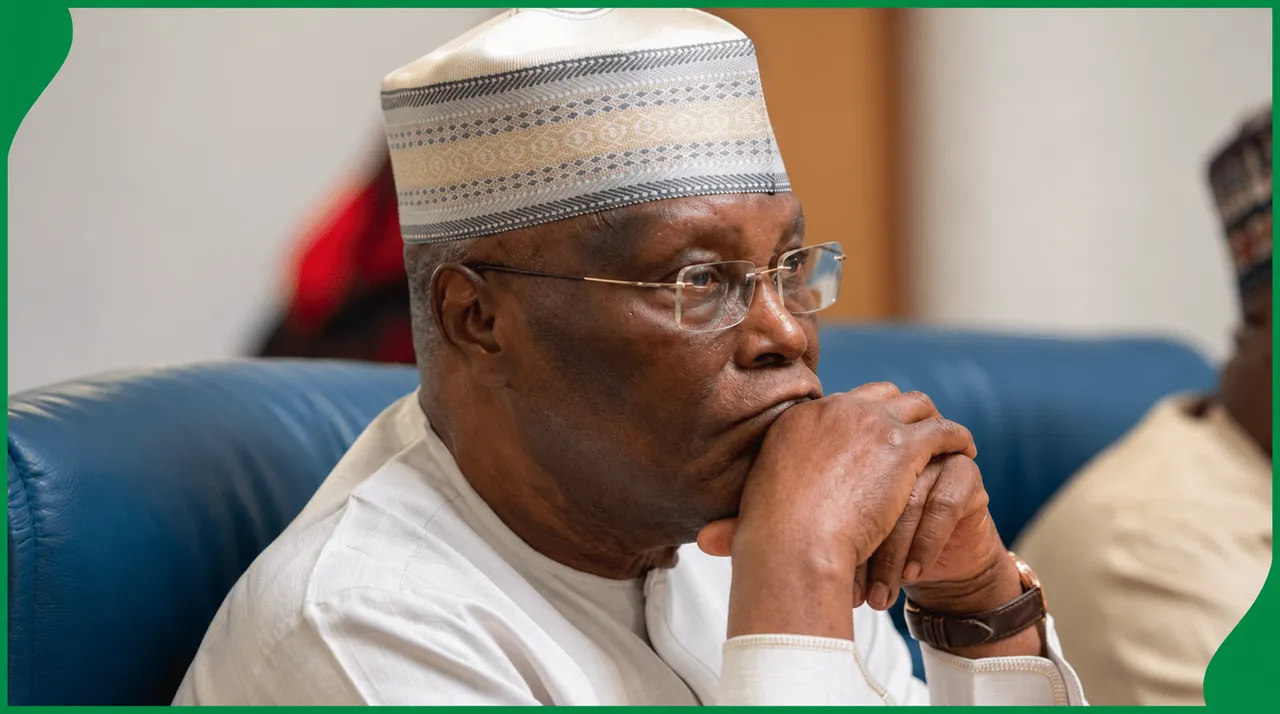
Former VP Atiku Abubakar says nearly 40% of bakeries have shuttered in two years due to soaring energy expenses and credit costs under Tinubu's administration.
Former Vice President Atiku Abubakar has attributed the closure of thousands of bakery operations across Nigeria to the economic policies of the Tinubu administration, citing skyrocketing energy expenses and restrictive lending rates as the primary culprits. Speaking through his campaign spokesperson in Bauchi on Saturday, Atiku noted that the Premium Breadmakers Association of Nigeria has shed nearly 40 percent of its membership over the past two years, a figure he described as evidence of systemic economic failure.
The ADC presidential candidate drew specific attention to the cost pressures facing Nigeria's baking sector. Energy bills and interest rates on loans have become prohibitively expensive for small and medium-sized bakeries, forcing many operators to cease production.
The squeeze on production costs has simultaneously driven up bread prices for Nigerian consumers, creating a cascading effect across household budgets and food security. Atiku also referenced broader cost-of-living challenges beyond the bakery sector.
In major urban centres, cooking gas prices have climbed sharply. Reports from his statement indicate that liquefied petroleum gas retails for approximately 1,800 naira per kilogram in Abuja, while prices in Lagos and Ogun state hover around 1,650 naira per kilogram.
These increases compound the financial strain on businesses and families relying on gas for cooking and production. The former Vice President called for urgent government action to address energy pricing structures and make credit more accessible to productive businesses.
His remarks formed part of campaign activities in Bauchi, where he framed his intervention as a response to deteriorating economic conditions facing ordinary Nigerians. The statement did not provide a timeline for proposed remedies or specify which policy measures Atiku believed should be prioritized.