CBN Governor Cardoso pushes for Nigeria's say in ECOWAS currency bloc
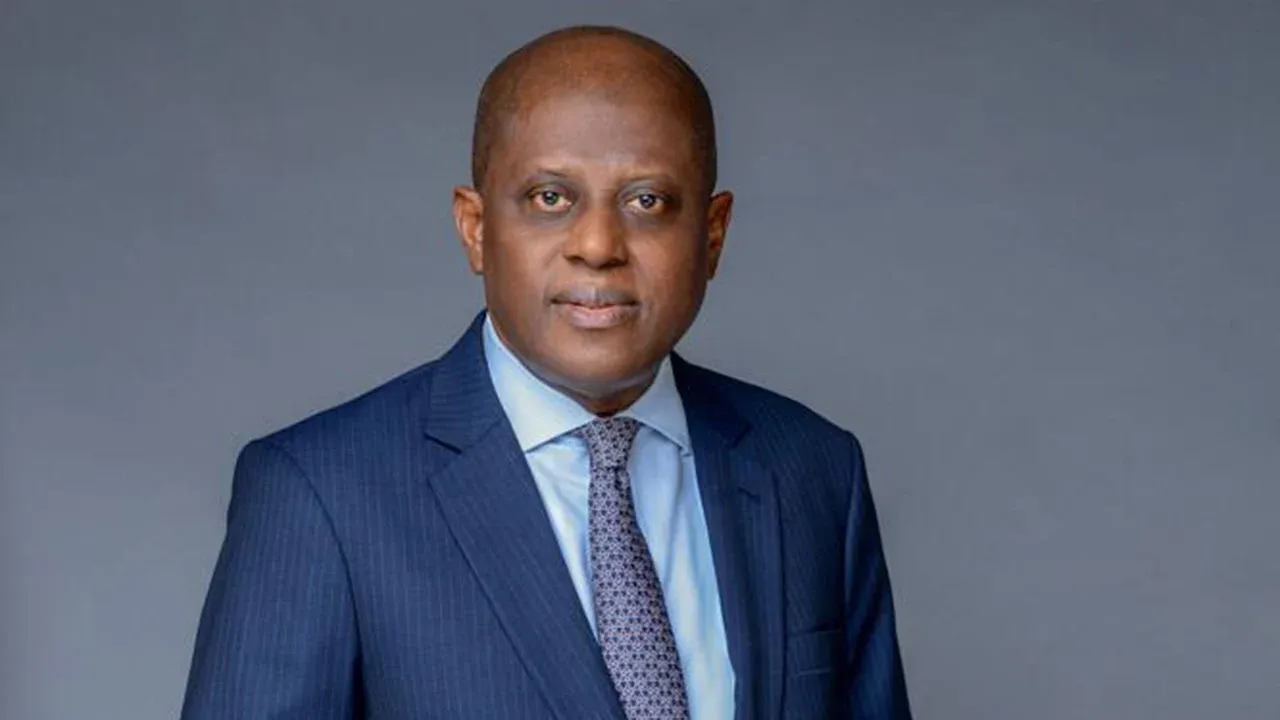
Olayemi Cardoso demands proportional governance power in the ECOWAS Monetary Union based on Nigeria's financial stake ahead of 2027 ECO launch.
Olayemi Cardoso, who leads the Central Bank of Nigeria, has urged fellow regional participants to accord Nigeria amplified authority regarding governance within the envisioned ECOWAS Monetary Union. His argument centers on the premise that those bearing substantial fiscal obligations merit meaningful participation in how such institutions function.
During Friday's ministerial gathering of the sixth Presidential Task Force Meeting focused on the ECOWAS Single Currency Programme, held in Abidjan, Côte d'Ivoire, Cardoso advanced this viewpoint as West African nations quicken preparations for the 2027 ECO currency introduction. At the core of Cardoso's reasoning sits a basic tenet: power over choices must align with fiscal duties undertaken.
He emphasized that although regional cohesion and reverence for member autonomy constitute vital underpinnings for any monetary arrangement, such principles require calibration against divergent investment scales, risk exposures and economic undertakings each nation contributes. The CBN chief underscored that such calibration should meaningfully influence the voting strength afforded to individual states within union oversight structures.
Nigeria's vocal stance on this topic stems from its commanding economic standing in ECOWAS as the region's preeminent economy. Long anticipated as the leading source of resources channeled into any continental financial body, Nigeria's position suggests Cardoso that proportionate sway over consequential matters ought to accompany this role.
The nation signals resolve to prevent acceptance of institutional blueprints where monetary contributions lack matching governance authority. As the sixteen-member ECOWAS entity enters a demanding preparation cycle for launching the unified monetary system, this governance assertion has gained prominence.
With 2027 drawing nearer, member nations face pressure to finalize structural parameters, and Nigeria is communicating unmistakably that it shall resist frameworks divorcing its fiscal strength from substantive decision-making influence. Through Cardoso's intervention, Nigeria demonstrates commitment to shaping monetary union architecture before operational launch occurs.