

Delay in Port Concession Agreements Threatens Economy
Mose Ebosel, President of the Ship Correspondents Association of Nigeria, expressed deep concern regarding the ongoing delay in renewing port concession agreements in Nigeria. This situation, he warns, poses significant risks to the nation's maritime sector and overall economic stability.
The primary concession agreements, signed in 2006 following a port reform exercise that began in 2004, were set to expire around 2021-2022. Ebosel emphasized that the delay sends a negative signal to both local and international investors, undermining confidence in the sector.
He highlighted several disadvantages associated with the prolonged delay, including discouragement of further investment in port infrastructure and technology upgrades. The uncertainty surrounding contract renewals could lead to stagnation, affecting product turnaround times and service delivery at ports.
Additionally, he noted potential revenue losses for the government and broader fiscal implications, including job losses and industrial unrest, as thousands of Nigerians depend on port-related activities for their livelihoods. Ebosel urged the federal government to expedite the renewal process without further delay.
Plus234Feed summary based on reporting from Daily Trust. Read the original report below.
Read full article
Continue on Daily Trust
Get the week in one email
Top stories, NPFL results, the naira — every Friday morning. Free, one email a week.
Related Stories
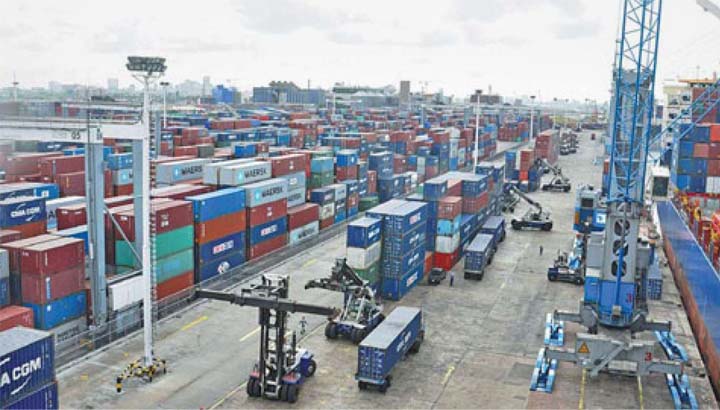
Concerns Rise Over Delayed Port Concession Renewals
Nigerian Government to Concession Waterways for Revenue Growth
ADC Critiques £746M Nigeria-UK Port Rehabilitation Deal
Nigeria Loses $10 Billion Annually to Maritime Cartels
MSC and Nigerdock Sign Major Agreement for Snake Island Port

Nigeria's Maritime Sector Reforms Set for 2026 Launch
Get Plus234Feed on messaging apps
Same headlines, delivered where you already scroll.


