

Analysis: Decline of Political Ideologies in Nigerian Democracy Impacts Voter Confidence

The article delves into the erosion of political ideologies in Nigerian democracy, emphasizing the shift towards power concentration and the diminishing role of ideas in political discourse. It highlights the consequences of this trend, such as the weakening of opposition parties like the APC and PDP, the formation of fragile coalitions lacking shared goals, and the potential impact on voter choices and confidence in elections.
The analysis underscores the need for a reinvigoration of political ideologies and the formation of more substantial coalitions to strengthen Nigeria's democratic landscape.
Plus234Feed summary based on reporting from This Day. Read the original report below.
Read full article
Continue on This Day
Get the week in one email
Top stories, NPFL results, the naira — every Friday morning. Free, one email a week.
Related Stories

Analysis of Nigeria's Shift Towards One-Party System Raises Concerns for Democracy
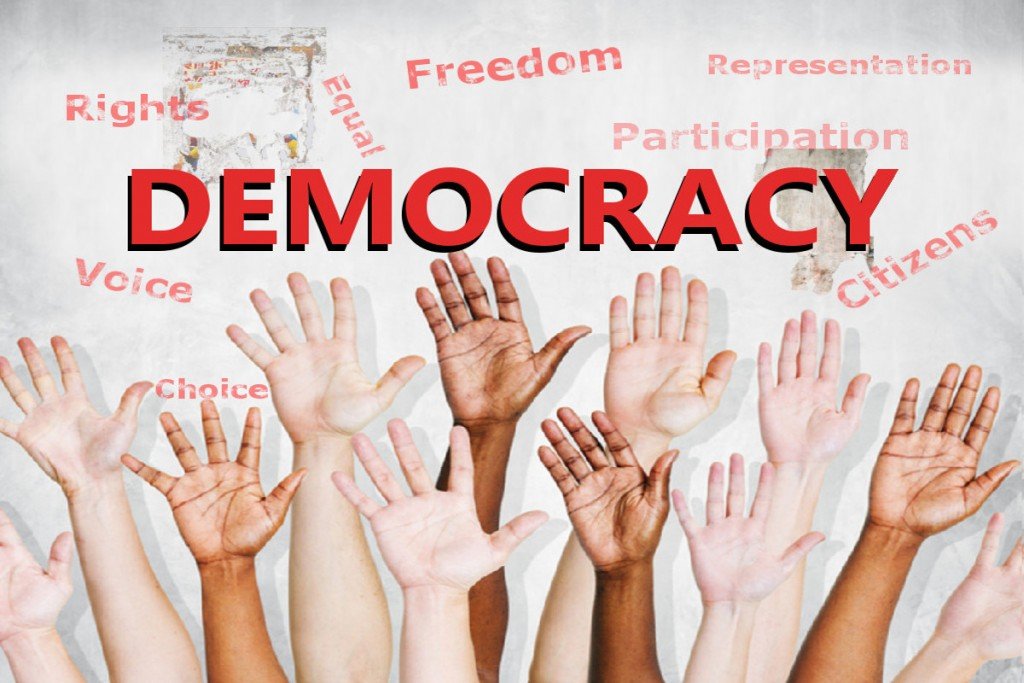
Challenges Facing Nigeria's Democracy: Leadership Crisis and Military Coup Risks

Ex-Presidential Candidate Criticizes Lack of Ideological Parties in Nigeria's Political Landscape

Peter Obi Protests Electoral Reform in Nigeria
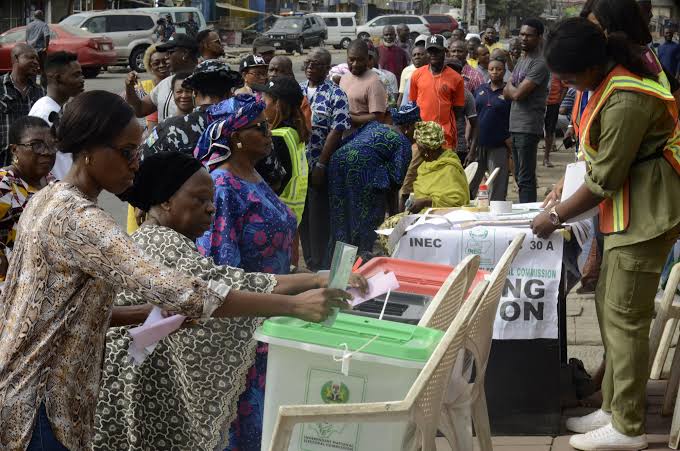
Nigeria's Opposition Parties: A Struggle for Survival

Peller: Democracy at Risk Without Strong Opposition Voice
Get Plus234Feed on messaging apps
Same headlines, delivered where you already scroll.


