

Strait of Hormuz Reopens Amid U.S.-Iran Ceasefire

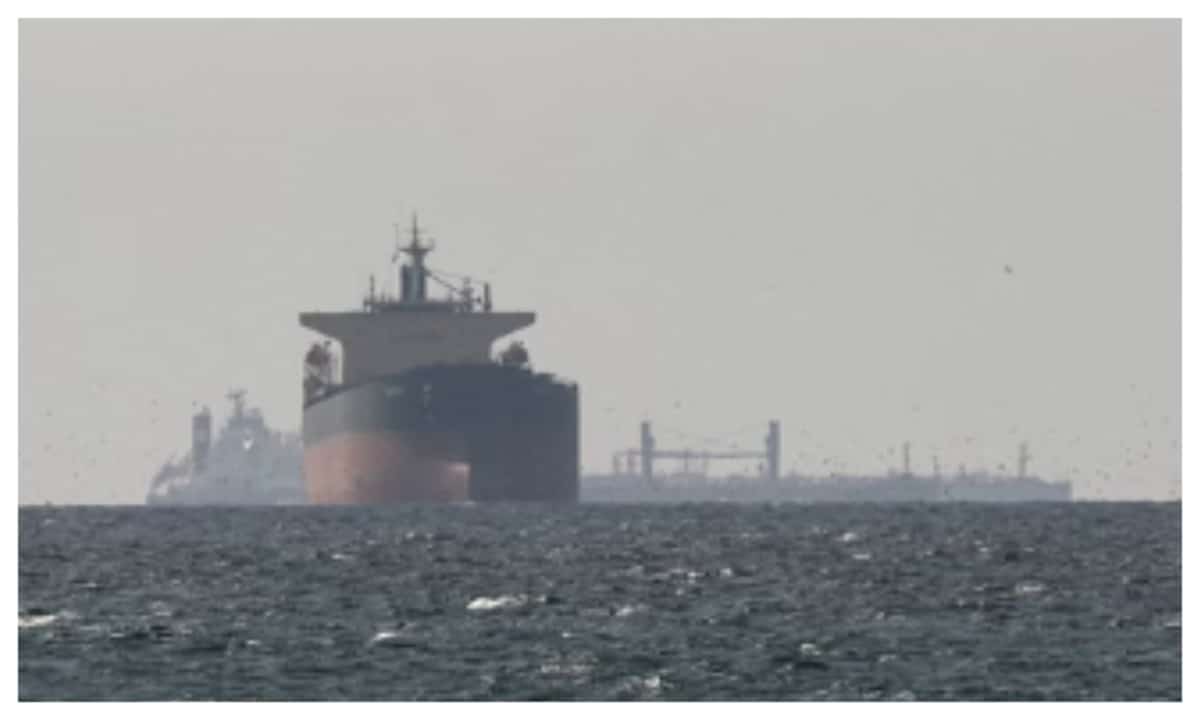
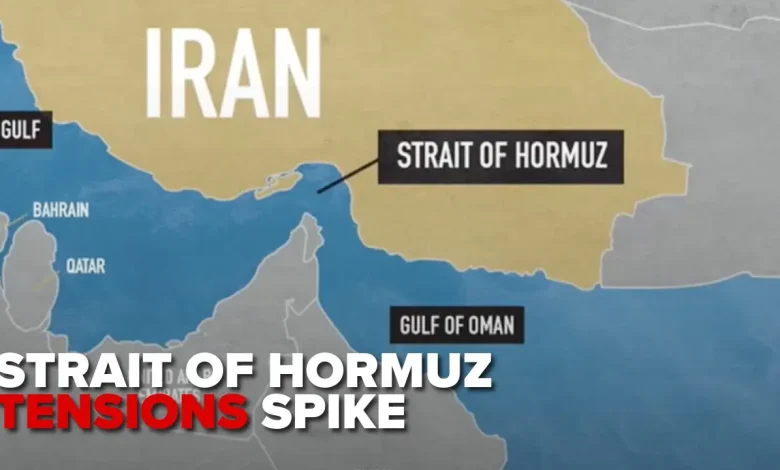
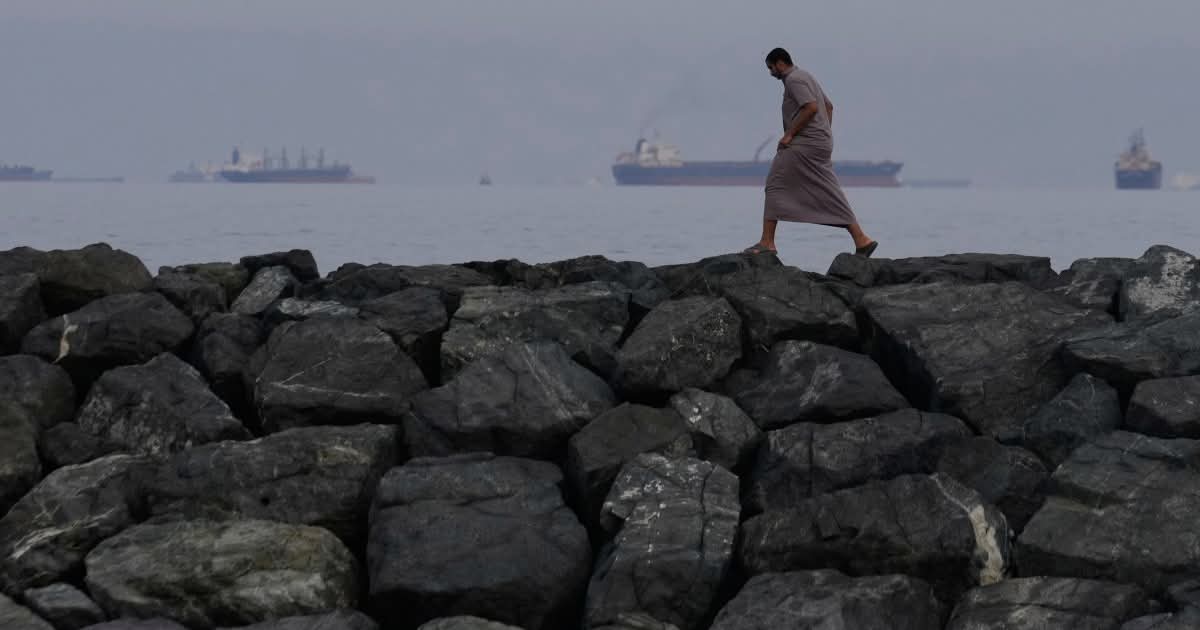
The Strait of Hormuz has reopened for maritime traffic as part of a ceasefire agreement between the United States and Iran, following a period of heightened tensions that began on February 28, when the U.S. and Israel commenced bombing Iran. This conflict resulted in Tehran retaliating and restricting access to the Strait, leaving approximately 800 ships and thousands of seafarers stranded in the Gulf.
The ceasefire, agreed upon overnight on a Tuesday-Wednesday, allowed two ships to pass through the Strait. Maritime monitoring data indicated a significant decrease in traffic, with only eight commercial carriers transiting daily from March 1 to April 7, compared to a historical average of 307.
The International Energy Agency reported that crude and refined petroleum product flows through the Strait fell to around 20 million barrels per day. Additionally, there have been multiple attacks on commercial vessels in the region, with the latest incident involving the Marshall Islands-flagged vessel Qingdao Star.
Plus234Feed summary based on reporting from Punch Newspapers. Read the original report below.
Read full article
Continue on Punch Newspapers
Get the week in one email
Top stories, NPFL results, the naira — every Friday morning. Free, one email a week.
Related Stories
Iran Reopens Strait of Hormuz Amid U.S. Tensions
Iran Reinstates Strict Control Over Strait of Hormuz

US and Iran Near Agreement on Strait of Hormuz Deal
Iran Establishes Shipping Route Amid Middle East Ceasefire
Iran Closes Strait of Hormuz, Threatens Ships Passing
Iran Eases Strait of Hormuz Transit Rules Amid Tensions
Get Plus234Feed on messaging apps
Same headlines, delivered where you already scroll.


