

Nigeria's Fuel Duty U-Turn Raises Doubts on Energy Reform Agenda

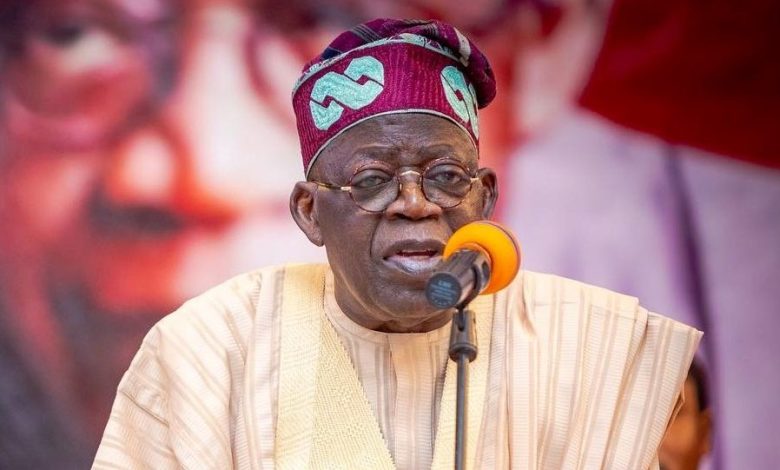
Nigeria's abrupt reversal of the 15% fuel import duty approval has cast uncertainty on the energy reform agenda, particularly affecting the downstream petroleum sector. The move, following President Bola Tinubu's formal backing, has unsettled stakeholders and investors, reigniting debates on the nation's energy independence.
The duty was intended to support local refineries and reduce reliance on fuel imports, but its suspension has raised concerns about policy consistency and the country's commitment to essential reforms. The decision has significant implications for Nigeria's economic stability and energy market resilience.
Plus234Feed summary based on reporting from This Day. Read the original report below.
Read full article
Continue on This Day
Get the week in one email
Top stories, NPFL results, the naira — every Friday morning. Free, one email a week.
Related Stories
Nigerian Government Suspends 15% Import Duty on Petrol and Diesel
Nigerian Government Suspends 15% Import Duty on Fuel to Ensure Stability

Nigerian Government Suspends Import Duty on Fuel, Experts Predict Price Crash
CPPE Urges Reinstatement of 15% Fuel Import Duty in Nigeria for Energy Security
Nigerian Government Approves 15% Tariff on Imported Fuel to Boost Energy Independence
Nigerian Government Suspends 15% Import Duty on Petrol and Diesel
Get Plus234Feed on messaging apps
Same headlines, delivered where you already scroll.


