
Stanbic IBTC Reports Rising Inflation in Nigeria's Prices
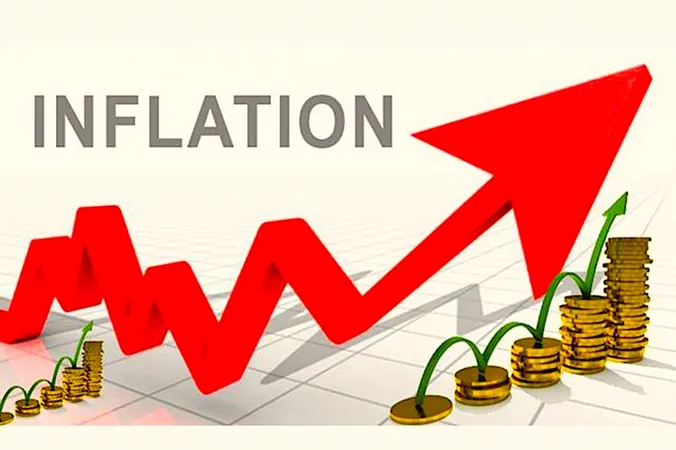
In October 2026, selling price inflation among Nigerian private-sector firms reached a four-month high due to increased fuel and transportation costs, as reported by the Stanbic IBTC Bank (NGX: STANBIC) Nigeria Purchasing Managers’ Index (PMI). More than 29 percent of surveyed firms raised their selling prices, reflecting ongoing challenges with rising operating expenses despite economic growth.
The headline PMI fell to 55.7 from 56.4 in September, indicating a slower improvement in operating conditions. The expansion was supported by increases in output and new orders for the ninth consecutive month, driven by sustained customer demand.
Muyiwa Oni, Head of Equity Research, West Africa, at Stanbic IBTC Bank, noted that persistent increases in fuel and transportation costs were raising production expenses. The report also highlighted that manufacturing experienced the fastest selling price inflation, with firms passing higher costs onto customers.
While purchase price inflation increased, the overall input price inflation rate rose at a slightly slower pace, aided by a moderation in staff cost inflation.
Plus234Feed summary based on reporting from Leadership Newspaper. Read the original report below.
Read full article
Continue on Leadership Newspaper
Get the week in one email
Top stories, NPFL results, the naira, every Friday morning. Free, one email a week.
Related Stories
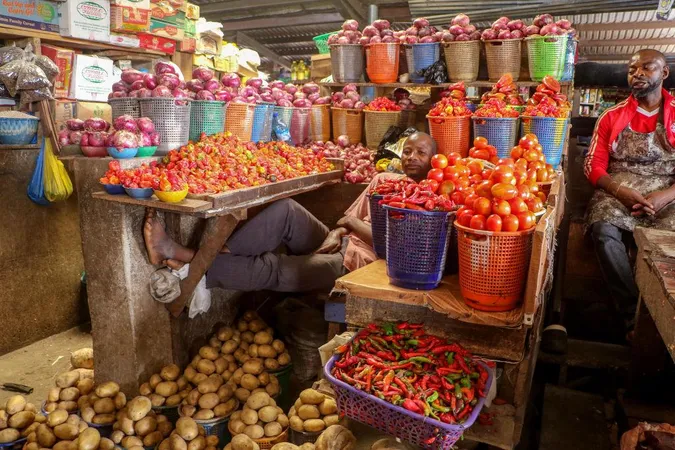
Nigeria's Inflation Drops, But Food Prices Remain High
Fuel Prices Surge 86% in Nigeria Amid Global Market Volatility
Nigeria's Energy Inflation Hits 10.85% Amid Price Surge
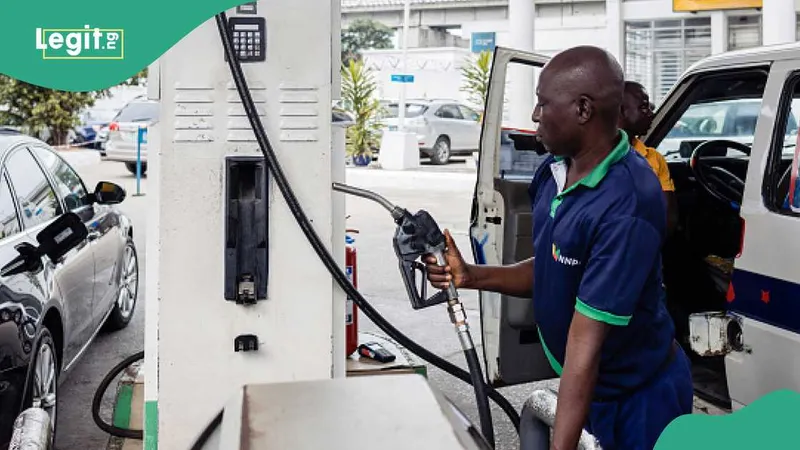
Nigeria's Diesel Prices Surge 82.7% in UNCTAD Report
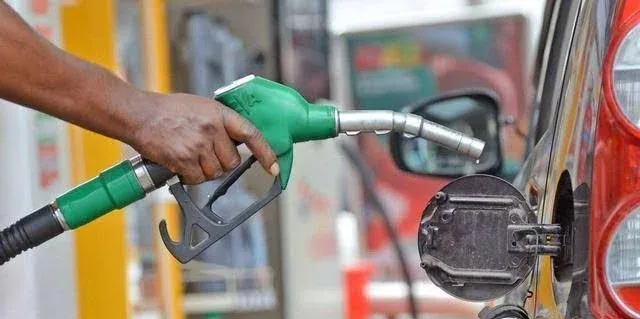
Rising Petrol Prices Force Transport Fare Hikes in Nigeria
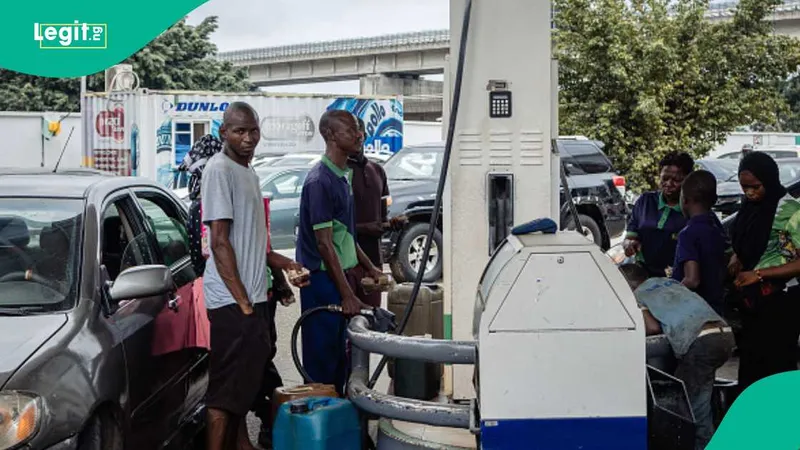
Dangote Refinery Alters Nigeria's Fuel Pricing Landscape
Get Plus234Feed on messaging apps
Same headlines, delivered where you already scroll.