

U.S.-Iran Negotiations Begin as Hormuz Strait Remains Blocked

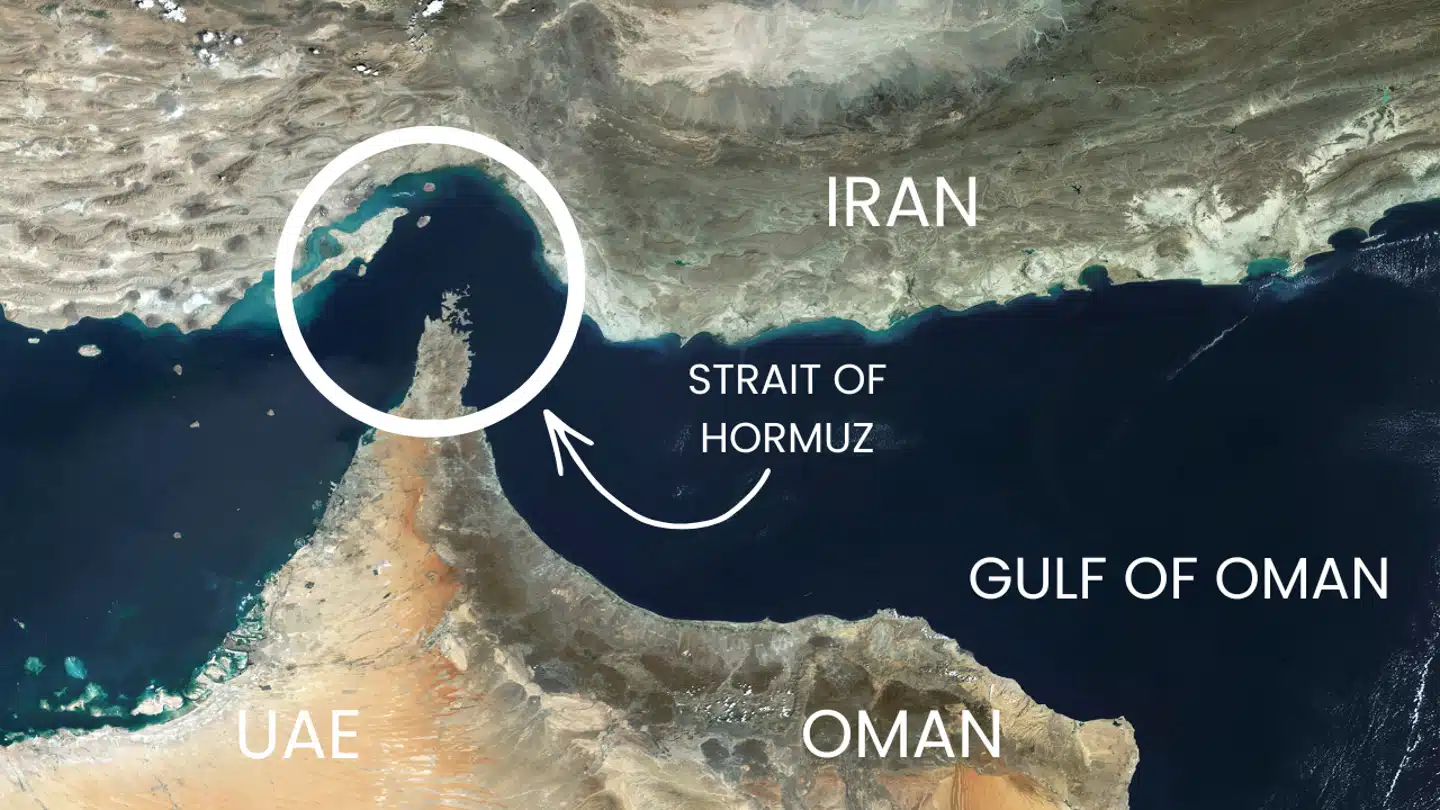
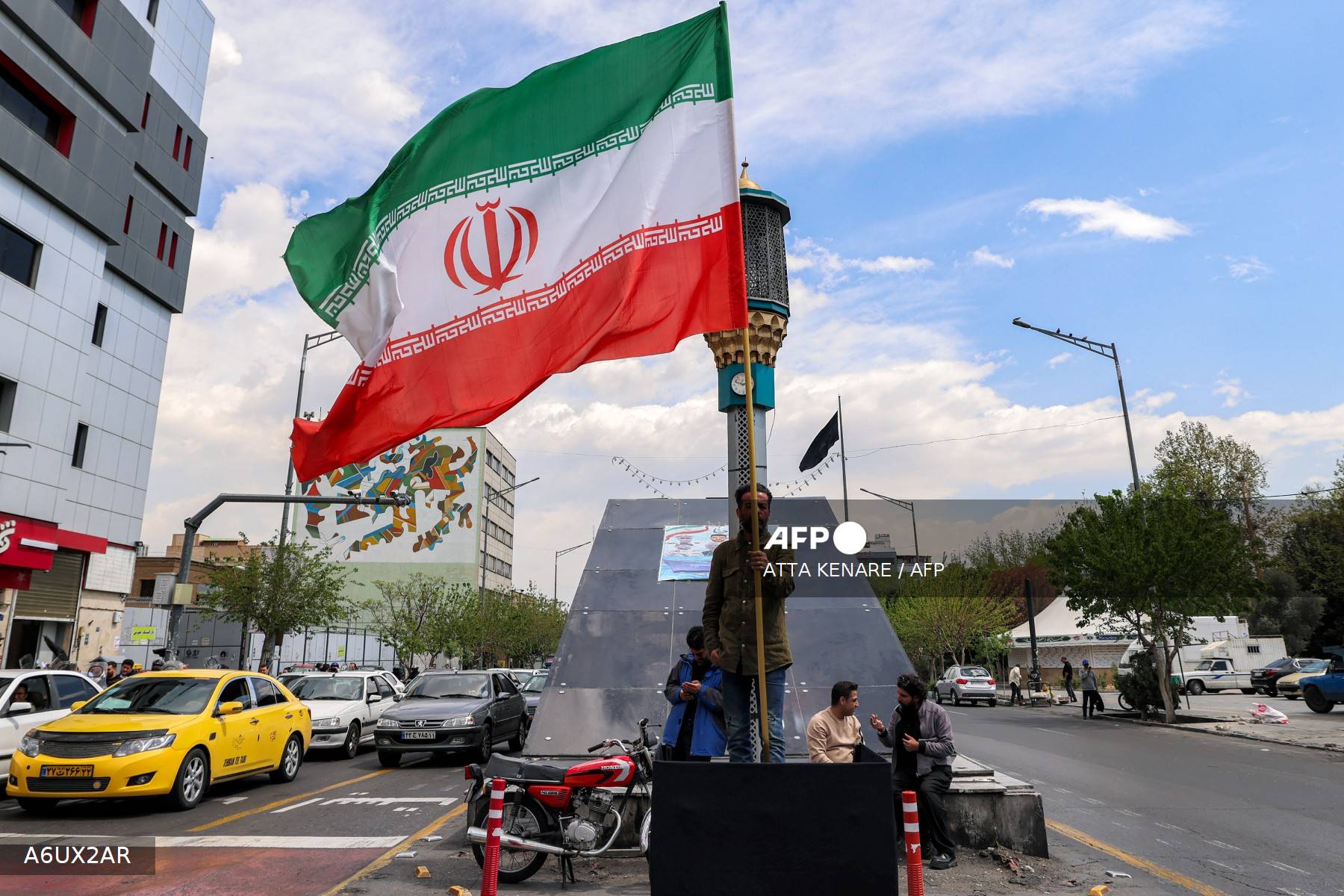
The Strait of Hormuz is currently experiencing significant disruptions, with ship traffic reported at less than 10% of normal levels, despite a ceasefire agreement between the U.S. and Iran. Negotiations are set to commence today in Islamabad based on a 10-point proposal from Tehran.
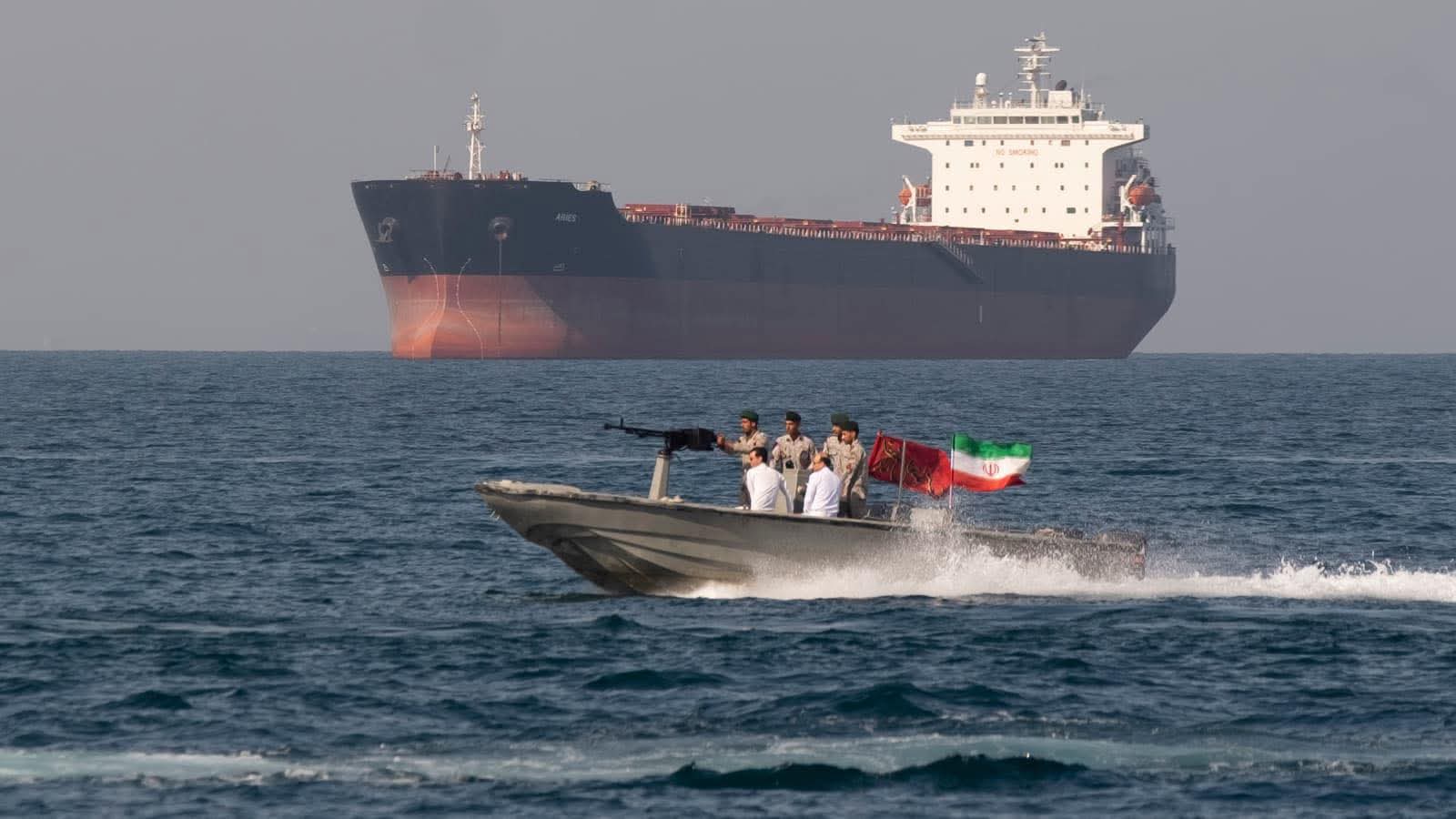
The Iranian Islamic Revolutionary Guard Corps (IRGC) has warned vessels to avoid certain areas due to naval mine risks. The ongoing crisis has resulted in a 20% cut in global oil supply, with oil prices rising sharply.
Only seven ships passed through the strait in the last 24 hours, compared to the usual 140. Analysts express concerns that the fragile ceasefire may not sufficiently alleviate the backlog of vessels.
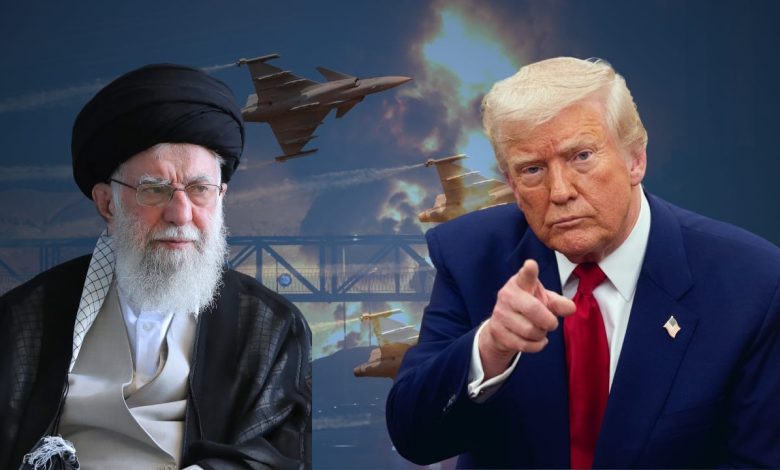
Additionally, U.S. President Donald Trump is considering troop withdrawal from Europe amid NATO's perceived failure to secure the strait.
Meanwhile, Israeli Prime Minister Benjamin Netanyahu has indicated that peace talks with Lebanon will soon commence, amidst ongoing military tensions.
Plus234Feed summary based on reporting from This Day. Read the original report below.
Read full article
Continue on This Day
Get the week in one email
Top stories, NPFL results, the naira — every Friday morning. Free, one email a week.
Related Stories
Iran-U.S. Talks Stalled, Strait of Hormuz Remains Closed
Iran's Ghalibaf: Final Deal on Hormuz Still Distant
Iran Proposes Reopening Strait of Hormuz Amid Tensions
Ships Navigate Strait of Hormuz Amid U.S.-Iran Ceasefire
Iran Reopens Strait of Hormuz, Agrees to US Ceasefire
Iran Establishes Shipping Route Amid Middle East Ceasefire
Get Plus234Feed on messaging apps
Same headlines, delivered where you already scroll.


