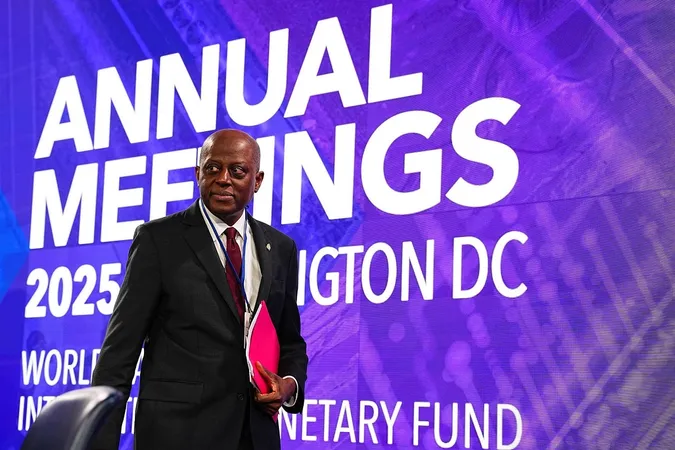

Nigeria's Inflation Drops to 14.63% Amid Rising Energy Costs
Nigeria's headline inflation rate eased to 14.63% in September 2026, down from 15.39% in August, as reported by the National Bureau of Statistics (NBS). This moderation in inflation was primarily due to a decrease in food prices, which fell by 1.55% month-on-month, with food inflation standing at 19.59% year-on-year.
The NBS attributed this decline to changes in the prices of various food items, including rice, maize flour, and fresh vegetables. However, the relief was offset by a significant increase in energy inflation, which more than doubled year-on-year to 10.85%, up from 4.69% in August.
This surge in energy costs was linked to rising domestic fuel prices, exacerbated by the ongoing conflict involving Iran, Israel, and the United States, which disrupted global oil markets. In September, petrol prices in Lagos ranged from N1,400 to N1,430 per litre, while in Abuja, they were between N1,400 and N1,450 per litre.
The Federation Account Allocation Committee (FAAC) distributed N2.428 trillion among the Federal Government, states, and local councils for September 2026.
Plus234Feed summary based on reporting from Leadership Newspaper. Read the original report below.
Read full article
Continue on Leadership Newspaper
Get the week in one email
Top stories, NPFL results, the naira, every Friday morning. Free, one email a week.
Related Stories

Nigeria's inflation rate edges down to 15.39% in August
Nigeria's Inflation Rate Drops to 15.39% in August 2026
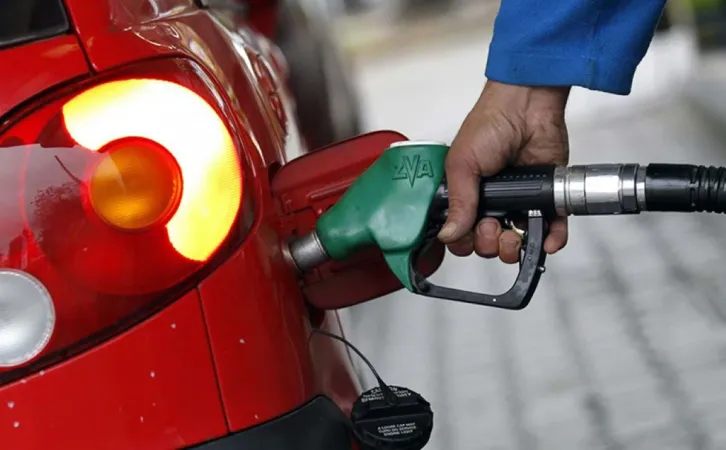
Nigeria's Energy Inflation Hits 10.85% Amid Price Surge
Nigeria's Inflation Slightly Decreases to 15.39% in August
NGX Promotes Dangote Refinery's ₦2.15tn IPO Across Africa

Onafriq to Close Baxi Agent Banking in Nigeria Amid Challenges
Get Plus234Feed on messaging apps
Same headlines, delivered where you already scroll.