

Nigeria's Agriculture Sector Faces Challenges in 2026

The agriculture sector in Nigeria is expected to be significantly impacted by input costs and storage constraints in 2026. These factors will play a crucial role in shaping the direction of the industry, affecting production, supply chains, and overall agricultural output in the country.
As input costs continue to fluctuate and storage facilities remain inadequate, stakeholders in the agricultural sector will need to strategize and innovate to overcome these challenges and ensure sustainable growth. The ability to address these issues effectively will be key to driving productivity and profitability in Nigeria's agriculture industry.
Plus234Feed summary based on reporting from BusinessDay. Read the original report below.
Read full article
Continue on BusinessDay
Get the week in one email
Top stories, NPFL results, the naira — every Friday morning. Free, one email a week.
Related Stories
Nigeria's Agriculture 2025 Trends: Food Production Analysis
Nigerian Agricultural Sector Contracts in January Amid Rising Costs and Insecurity
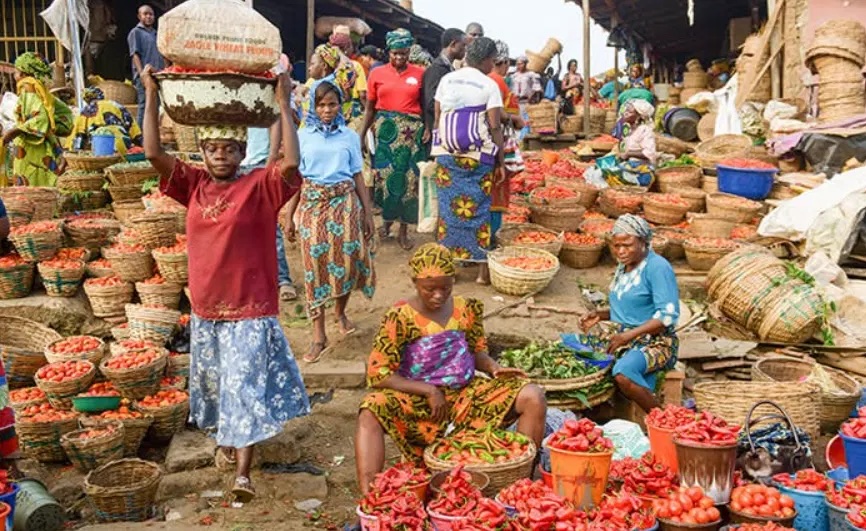
Nigeria's Post-Harvest Crisis Threatens Farmers' Incomes and Food Security

Nigerian Manufacturing Sector Sees Sharp Rise in Input and Output Costs in December 2025

Nigeria's Economy in 2026: Key Issues and Challenges Revealed
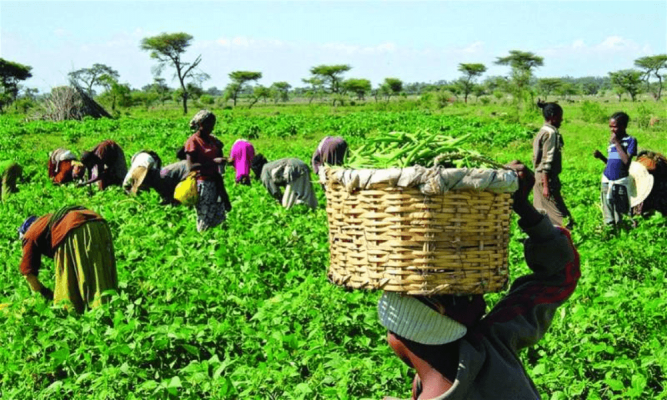
Nigerian Economy Struggles Despite Bumper Harvest, Farmers Face Challenges
Get Plus234Feed on messaging apps
Same headlines, delivered where you already scroll.


