

Khamenei's Death: A Turning Point for Iran's Future

Ayatollah Seyyed Ali Hosseini Khamenei, the Supreme Leader of Iran for 36 years, was confirmed dead by Iranian state media following a U.S.-Israeli military strike. His death, announced on a Sunday, plunges the future of the Islamic Republic into uncertainty and raises fears of wider regional instability.
U.S. President Donald Trump publicly declared Khamenei's death, stating it offers Iran its greatest chance to return to a more stable state.
Khamenei, who was 86 years old, had a significant influence on Iran's anti-U.S. posture and military and political strategies across the Middle East. His leadership was marked by strict control over political dissent and a strong opposition to U.S. policies, often referring to the U.S. as the "Great Satan." The implications of his death could lead to a power vacuum and deeper internal upheaval, with Reza Pahlavi, the exiled son of Iran's last Shah, welcoming the development and suggesting a transition plan to prevent instability.
The future of Iran's leadership structure remains uncertain.
Plus234Feed summary based on reporting from This Day. Read the original report below.
Read full article
Continue on This Day
Get the week in one email
Top stories, NPFL results, the naira — every Friday morning. Free, one email a week.
Related Stories
Khamenei Reported Killed in US-Israel Strikes: Iran
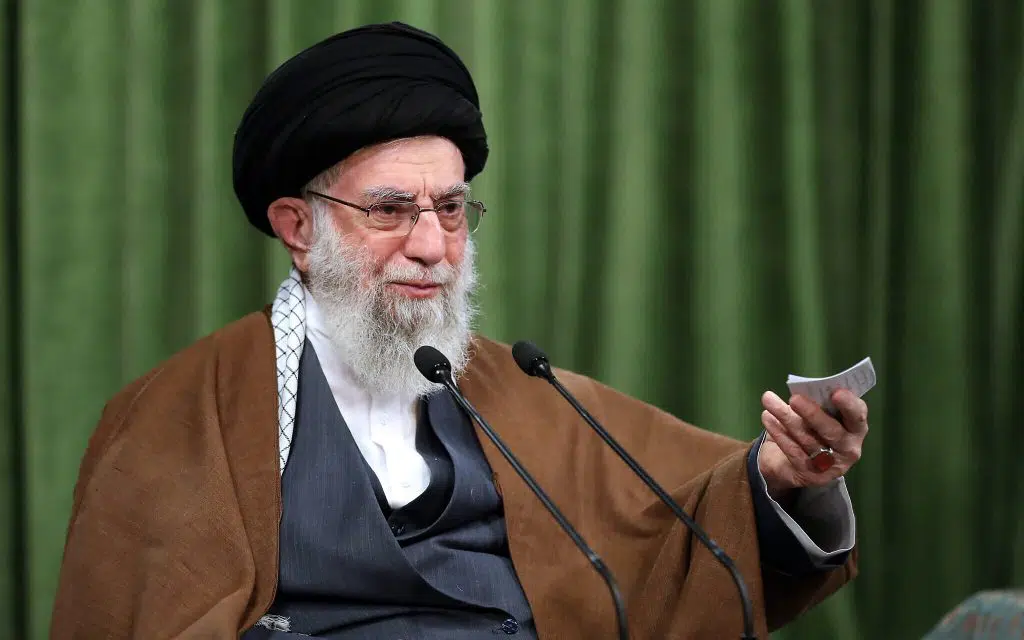
Iran Confirms Khamenei Alive Amid U.S. Tensions

Trump Confirms Khamenei's Death in US-Israel Strikes
Iran Appoints Ayatollah Arafi Interim Leader After Khamenei's Death
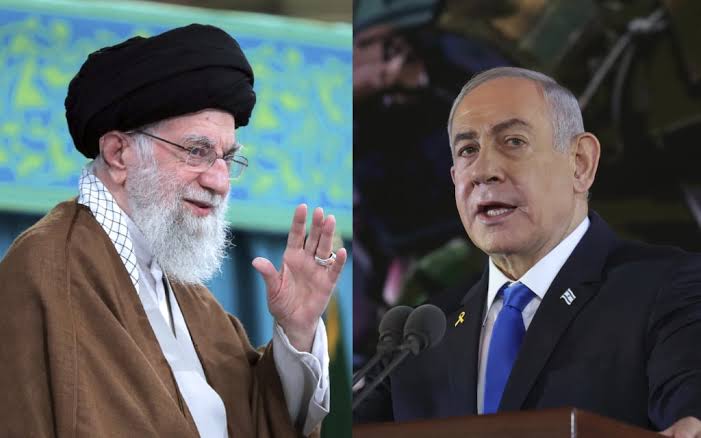
Netanyahu Claims Khamenei Dead After U.S.-Israel Strikes
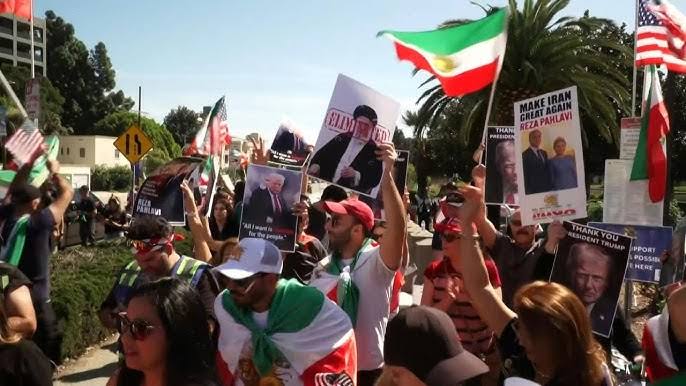
Iranians Abroad Celebrate Amid Unconfirmed Khamenei Death
Get Plus234Feed on messaging apps
Same headlines, delivered where you already scroll.


