

Iran War Signals Shift to New Economic Order
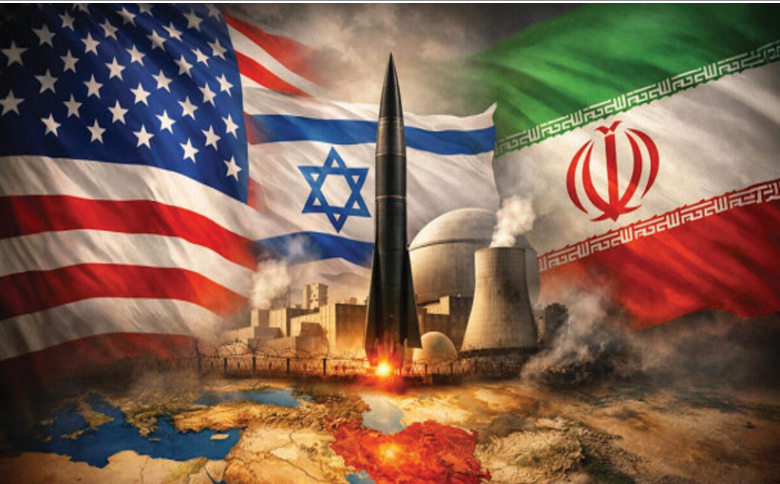
The article analyzes the Iran War's impact on the global economic system, suggesting that it signals a transition from a neoliberal framework to a new model that emphasizes state sovereignty and resilience. It critiques the failures of previous military strategies and the structural bankruptcy of the neoliberal system, which prioritized shareholder value over state resilience.
The war exposes vulnerabilities in global supply chains, particularly in energy, and highlights the fragility of the current economic order reliant on free-flowing hydrocarbons. The article argues for a shift towards managed trade and industrial policies that prioritize national security and economic independence.
It notes that the financial sector will increasingly intersect with warfare, leading to a rise in economic warfare and state-managed resources. The emergence of a new global consensus is anticipated, moving away from the ideologies of the 20th century towards a more pragmatic, possibly authoritarian, model that reasserts the state's role as a primary economic actor.
Plus234Feed summary based on reporting from Daily Trust. Read the original report below.
Read full article
Continue on Daily Trust
Get the week in one email
Top stories, NPFL results, the naira — every Friday morning. Free, one email a week.
Related Stories

Geopolitical Tensions: Iran's Nuclear Threat and Oil Prices

Trump and Netanyahu's Alliance Against Iran Escalates Tensions

Iran War Sparks Global Energy Crisis Affecting Nigeria
Israel-Iran Conflict Triggers Economic Strain in Nigeria
US-Israeli Military Actions Against Iran Raise Global Concerns
U.S. Military Actions Against Iran Undermine Diplomacy
Get Plus234Feed on messaging apps
Same headlines, delivered where you already scroll.


