

Nigeria Bans Importation of Essential Drugs Effective 2026

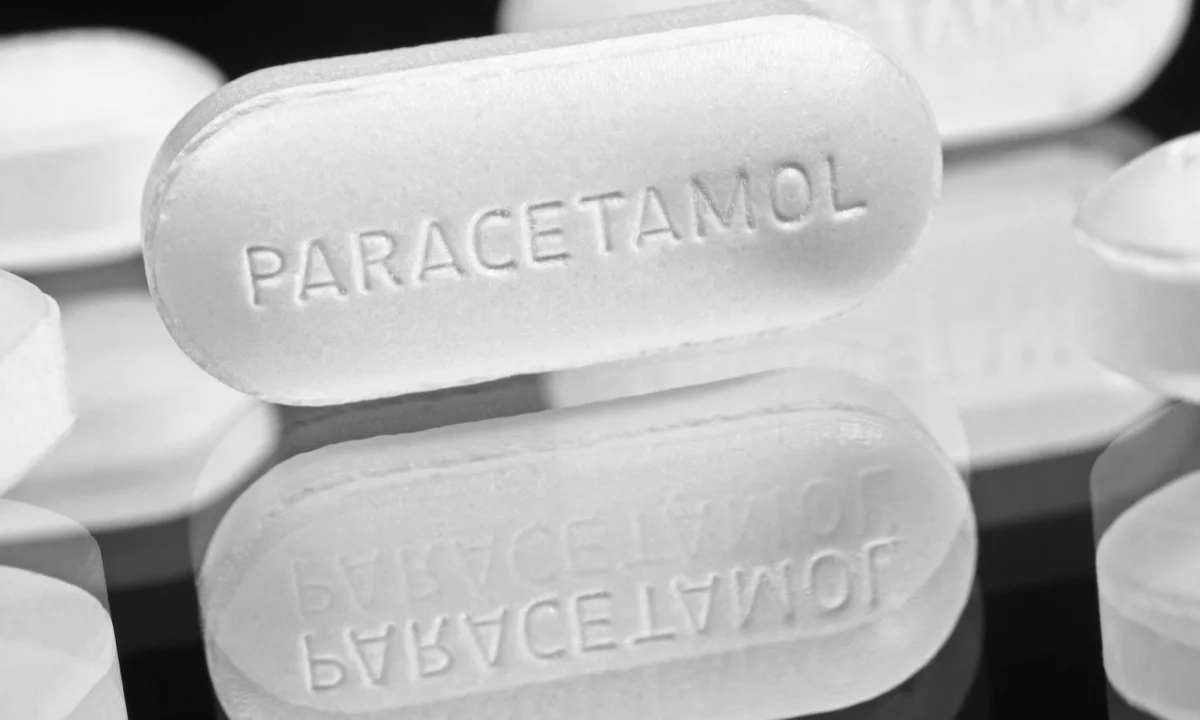
The Federal Government of Nigeria has implemented a sweeping ban on the importation of several essential goods, including widely used medications such as paracetamol and painkillers. This decision, announced by the Federal Ministry of Finance, will take effect on April 1, 2026, and is part of a broader strategy to strengthen local industries and alleviate pressure on foreign exchange.
The ban encompasses seventeen categories of items, including essential drugs like metronidazole, cotrimoxazole, chloroquine, aspirin, folic acid, and various antibiotics. The government asserts that this move will foster growth in the domestic drug industry and reduce dependence on foreign suppliers.
Additionally, the ban extends to agricultural products, including poultry and certain food items, as well as everyday consumer goods like sugar and bottled water. The Nigeria Customs Service is set to enforce this ban, with non-compliance potentially leading to the seizure of goods and legal action.
Stakeholders, particularly in the health sector, have expressed concerns about whether local manufacturers can meet national demand for essential medicines.
Plus234Feed summary based on reporting from Politics Nigeria. Read the original report below.
Read full article
Continue on Politics Nigeria
Get the week in one email
Top stories, NPFL results, the naira — every Friday morning. Free, one email a week.
Related Stories

FG Bans Importation of Paracetamol and Other Medicines

Nigeria Bans Importation of Cement and Poultry Products
Tinubu's Paracetamol Ban: A Step Towards Pharmacy Reform

Nigeria Bans Key Imports, Introduces Green Tax on Vehicles

Nigeria Restricts Imports of Cement and Fertilizer

Nigeria Enhances Monitoring to Block Fake Drugs in Trade Zones
Get Plus234Feed on messaging apps
Same headlines, delivered where you already scroll.


