

Nigeria's Blue Economy: Low-Cost Investments Drive Growth

Nigeria's blue economy is emerging as a significant contributor to economic growth, driven by low-cost investments primarily from small and medium-sized enterprises (SMEs). These SMEs are vital in maritime transport, aquaculture, and logistics, providing essential services that meet local demands and create jobs.
The National Bureau of Statistics (NBS) and the Food and Agriculture Organization (FAO) highlight that fisheries and aquaculture significantly contribute to Nigeria's agricultural GDP, supporting millions of livelihoods, especially in coastal and riverine states. The sector thrives on high transaction volumes and quick turnaround times, with SMEs filling critical gaps in transport infrastructure.
They operate haulage fleets and provide marine supplies, ensuring reliable service delivery. Additionally, the demand for cold storage and logistics services is increasing, further enhancing turnover and export opportunities.
Government support for small investments is recognized as crucial for maximizing returns in Nigeria's blue economy, which offers diverse opportunities for investors looking to engage in this growing sector.
Plus234Feed summary based on reporting from Blueprint. Read the original report below.
Read full article
Continue on Blueprint
Get the week in one email
Top stories, NPFL results, the naira — every Friday morning. Free, one email a week.
Related Stories

Nigeria Allocates N149bn in 2026 Budget to Boost Blue Economy
Nigeria Urged to Invest in Blue Economy for Food Security and Sustainable Development
Former Tunisian PM Urges Nigerian Government to Invest in Blue Economy at Niger Delta Summit
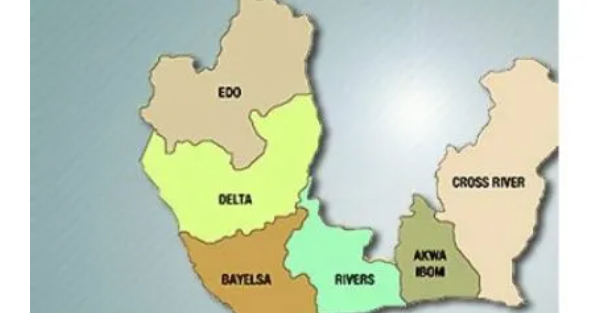
South South States Focus on Blue Economy and Manufacturing
Niger Delta Summit Tackles Trust Deficit in Blue Economy

NAF and NIMASA Collaborate for Maritime Security
Get Plus234Feed on messaging apps
Same headlines, delivered where you already scroll.


