

Nigeria's Economic Policies: Fuel Prices and Exchange Rates

The Nigerian Government has implemented several economic policies over the past 18 months, notably the removal of fuel subsidies and the floating/unification of the exchange rate. These decisions have led to severe consequences for the populace, particularly through increased fuel prices exacerbated by currency devaluation.
The Dangote Refinery's commencement has not alleviated these issues, as rising pump prices continue, linked to a high exchange rate. The current exchange rate exceeds N1,600, significantly undervalued compared to other African nations, contradicting earlier government projections of an equilibrium rate around N600-N700.
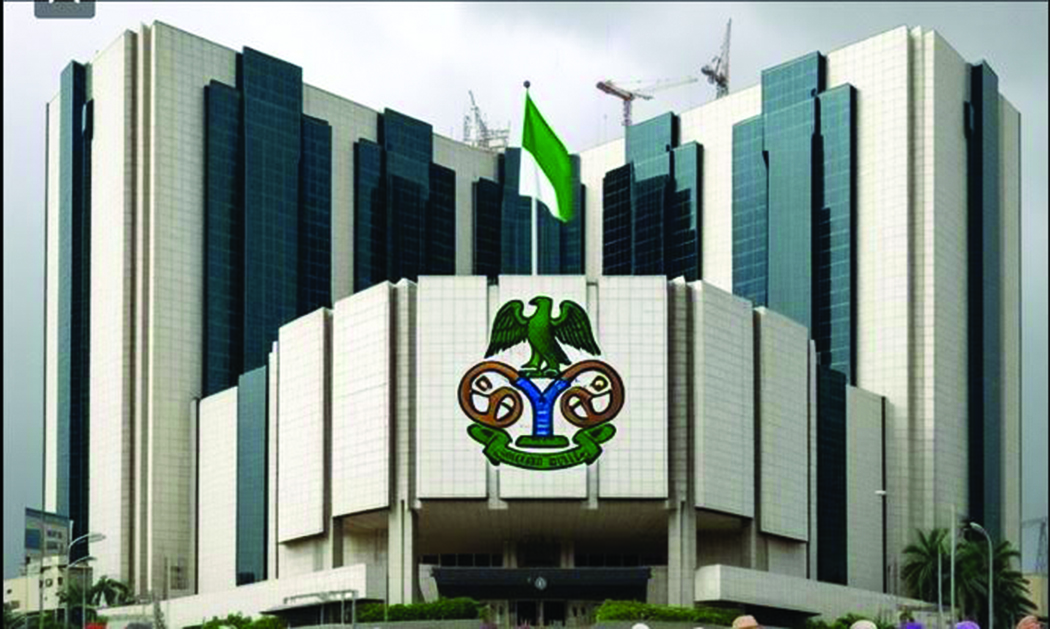
The Central Bank of Nigeria (CBN) has focused on managing inflation through a substantial increase in the Monetary Policy Rate by 850 basis points since the first quarter of 2024. Given these developments, there is a call to pause and reflect on the effectiveness of these economic strategies, particularly concerning foreign exchange supply and inflation management.
Plus234Feed summary based on reporting from This Day. Read the original report below.
Read full article
Continue on This Day
Enjoy this article?
Get the weekly Nigerian roundup — top stories, NPFL, naira. One email, Sunday morning.
Related Stories
Nigeria's Economic Adjustments Yield Mixed Results
Nigeria's Economic Policies: Stability vs. Living Standards

Tinubu's Economic Reforms Boost Nigeria's Fiscal Health
Cleric Warns Fuel Subsidy Restoration Could Ruin Nigeria

Fuel Subsidy Removal Strengthens Nigeria's Fiscal Position
Nigeria's Fuel Prices Surge Post-Subsidy Removal
Get Plus234Feed on messaging apps
Same headlines, delivered where you already scroll.


