
Netanyahu, Eisenkot Deadlocked as Israel's Election Yields No Clear Winner
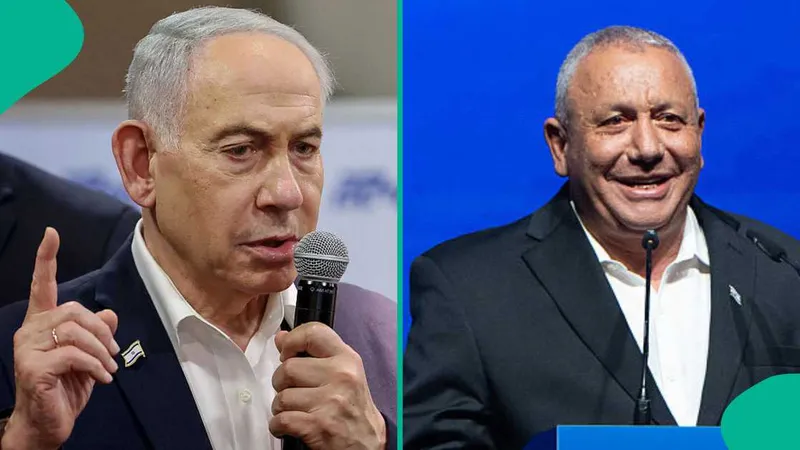
Israeli parliamentary elections produced no majority for either PM Netanyahu's bloc or rival Gadi Eisenkot, forcing complex coalition talks ahead.
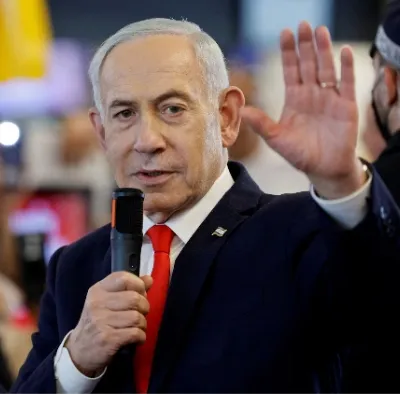
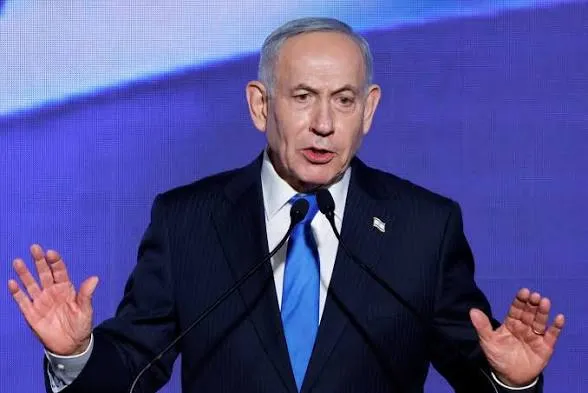
Tuesday's parliamentary election in Israel produced no decisive victor, leaving Prime Minister Benjamin Netanyahu and his main rival Gadi Eisenkot unable to independently secure enough votes to establish a government. Both political camps must now engage in coalition-building to reach the 61-seat threshold needed for majority control of the 120-seat Knesset.
Netanyahu's bloc took an early lead in the partial tally but remained several seats short of outright dominance. By Wednesday morning, with roughly two-thirds of ballots tallied, Netanyahu's political alliance had amassed 56 seats compared to 48 for Eisenkot's opposition grouping.
Arab-led political parties were anticipated to claim 16 seats. Israel's political structure, characterized by numerous factions, ensures that smaller parties frequently become kingmakers during coalition negotiations.
Throughout history, no single party has ever captured 61 seats independently within the 120-member chamber; consequently, multi-party arrangements constitute standard practice. The stalemate could work to Netanyahu's advantage in the short term.
As caretaker prime minister, he might retain his position while parties negotiate and attempt to forge working coalitions. Such arrangements permit sitting leaders to govern during extended talks that occasionally last many weeks or even months.
Early Tuesday evening, exit polls had already signaled this impasse, though comprehensive official results would require several additional days to finalize. For those monitoring global political developments, Israel's electoral outcome illustrates how systems based on proportional representation typically yield fragmented parliaments requiring complex negotiation and alliance-building.
In contrast to Nigeria's presidential framework, where single candidates achieve executive authority, parliamentary systems commonly demand extensive post-election bargaining among various parties to construct viable majorities. The Arab-led parties occupying this pivotal position now possess considerable leverage in deciding which political bloc assembles the governing coalition.
Sources
- The Will: No Clear Winner, No Clear Path to Power as Netanyahu Faces Election Deadlock
- Blueprint: Israel election: Netanyahu leads partial count but falls short of majority
- Leadership Newspaper: Israeli Exit Polls Indicate Deadlock In Tuesday’s Election
Get the week in one email
Top stories, NPFL results, the naira, every Friday morning. Free, one email a week.
Related Stories
Netanyahu and Eisenkot Face Election Deadlock in Israel
Netanyahu's Bloc Loses Majority in Israel's Knesset
Netanyahu's Bloc Holds 53 Seats in Israel's Election Update
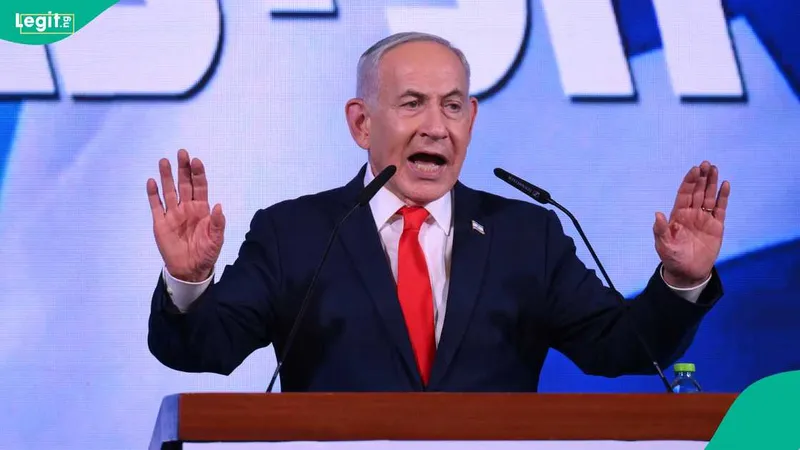
Likud Party Accuses Arab Parties of Election Fraud in 2026
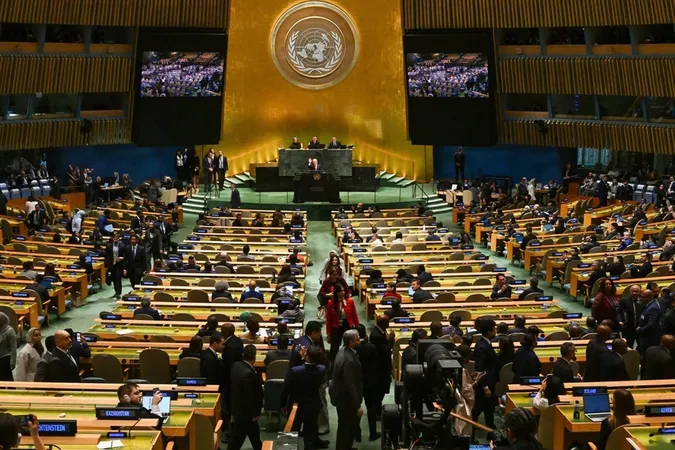
Netanyahu Faces Walkout at UN, Calls Delegates Cowards
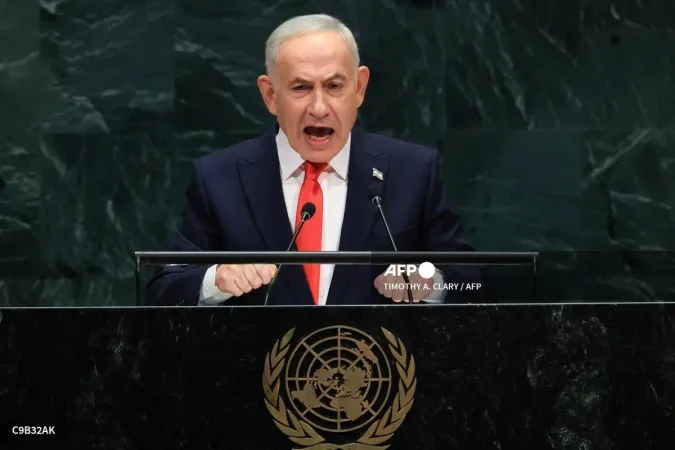
Netanyahu Critiques UN Delegates During Assembly Speech
Get Plus234Feed on messaging apps
Same headlines, delivered where you already scroll.