

Rising Middle East Tensions Threaten Nigeria's Fuel Prices
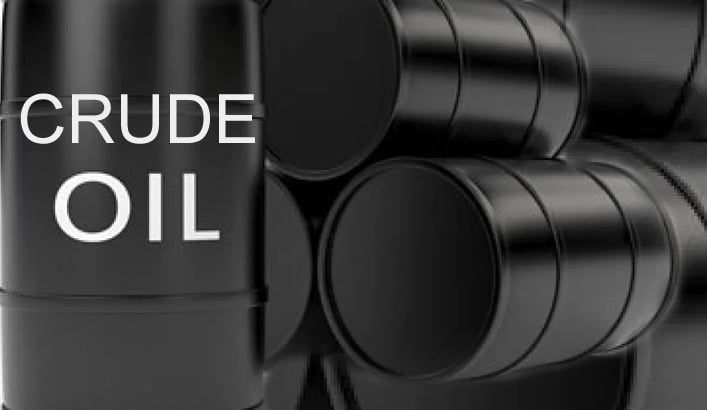
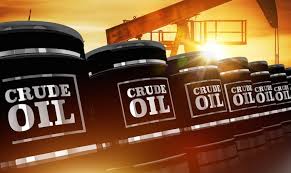
The escalating tensions in the Middle East, particularly following military actions involving Iran's Supreme Leader Ayatollah Ali Khamenei's family, may lead to a rise in fuel prices in Nigeria. Nigeria's economy heavily depends on crude oil, which accounts for 85% of its export earnings and nearly half of government revenue.
Experts, including Ayodel Oni and Kelvin Emmanuel, emphasize the need for proactive measures to mitigate potential economic impacts from surging crude prices. The current crude output in Nigeria fluctuates between 1.4 to 1.6 million barrels per day, below its installed capacity, due to issues like oil theft and pipeline vandalism.
Higher crude prices could lead to increased pump prices for petrol, affecting inflation and household living costs. The Centre for the Promotion of Private Enterprise's Dr. Muda Yusuf noted that while higher oil prices could improve government revenue, they may also deepen poverty levels and create a divergence between fiscal gains and social outcomes.
Plus234Feed summary based on reporting from Daily Trust. Read the original report below.
Read full article
Continue on Daily Trust
Get the week in one email
Top stories, NPFL results, the naira — every Friday morning. Free, one email a week.
Related Stories
Middle East Crisis May Boost Nigeria's Oil Revenue
Petrol Prices May Reach ₦2,000 Amid Middle East Conflict
Nigeria Faces Fuel Price Hike Amid US-Iran Tensions
Nigeria's Petrol Prices Surge Amid Global Oil Tensions
Oil Prices Surge Amid Middle East Tensions and Threats
Naira Depreciates to 1,385/$ Amid Middle East Tensions
Get Plus234Feed on messaging apps
Same headlines, delivered where you already scroll.


