

Nigeria's Electoral Fraud Threatens Democracy and Progress
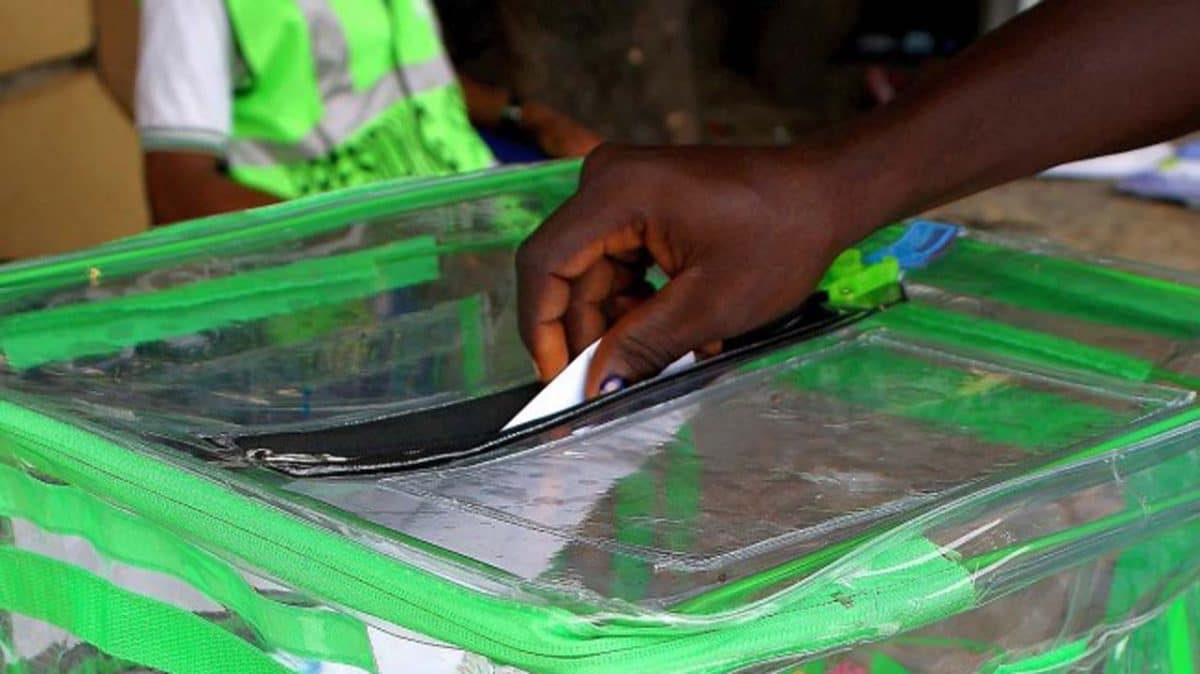
Festus Edovia's article emphasizes the severe impact of electoral fraud on Nigeria's democracy, asserting that the manipulation of party primaries and election processes undermines public trust and the integrity of political institutions. The article notes that electoral fraud is not merely a result of foreign interference but is deeply entrenched within Nigeria's political system.
It highlights the detrimental effects of vote-buying, intimidation, and the deployment of enforcement networks that suppress voter turnout and distort election outcomes. The author argues that these practices erode public confidence and fracture national unity, leading to broader societal issues such as high youth unemployment and infrastructure decay.
Edovia stresses the need for comprehensive reforms, including transparent campaign financing, impartial judicial oversight, and the rejection of vote-buying. He calls for a collective effort to ensure free and fair elections, emphasizing that Nigeria's rich resources and resilient populace can only thrive under genuine leadership committed to public service rather than personal gain.
Plus234Feed summary based on reporting from News Online Nigeria. Read the original report below.
Read full article
Continue on News Online Nigeria
Get the week in one email
Top stories, NPFL results, the naira — every Friday morning. Free, one email a week.
Related Stories

Nigeria's Electoral Reforms: Trust Deficit and Rigging Issues
Concerns Rise Over Credibility of Nigeria's FCT Elections
Nigeria's Corruption Crisis: A Call for Accountability

Nigeria's Electoral Integrity and National Security Challenges
Lack of Transparency in Nigerian Elections Threatens Democracy, Says Professor
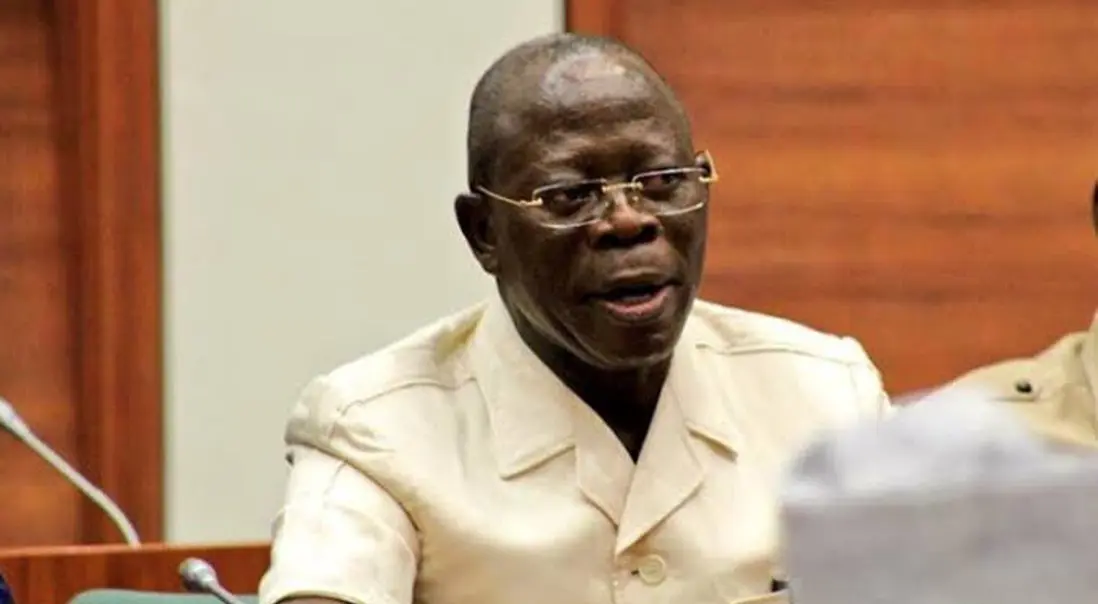
Adam Oshiomhole Condemns Electoral Fraud as Worst Crime in Democracy
Get Plus234Feed on messaging apps
Same headlines, delivered where you already scroll.


