

Tinubu's Economic Reforms Yield 4.43% GDP Growth in 2026

President Tinubu is confronting significant economic challenges in Nigeria, which include rising fuel prices, increased transportation costs, and declining household purchasing power. He inherited an economy burdened by unsustainable fuel subsidies, distorted foreign-exchange arrangements, weak government revenues, and infrastructure deficiencies.
His administration's reforms have begun to yield measurable results, with Nigeria's real Gross Domestic Product growing by 4.43 percent in the second quarter of 2026 compared to 4.23 percent in the same period of 2025. The reforms aim to create jobs, improve living conditions, and strengthen businesses.
The Dangote Petroleum Refinery is pivotal in transforming Nigeria's economy by reducing reliance on imported petroleum products. In the second quarter of 2026, Nigeria exported approximately 350,000 barrels of petroleum products daily, indicating a shift towards domestic refining and industrial opportunities.
The administration's focus on economic diversification is essential for building a productive and stable economy.
Plus234Feed summary based on reporting from Leadership Newspaper. Read the original report below.
Read full article
Continue on Leadership Newspaper
Get the week in one email
Top stories, NPFL results, the naira, every Friday morning. Free, one email a week.
Related Stories

Seyi Tinubu Acknowledges Economic Hardships in Nigeria
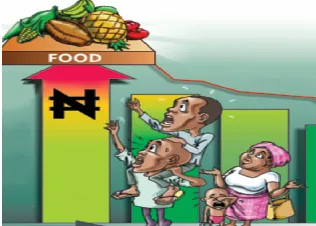
Tinubu's Economic Reforms Drive Up Costs and Poverty
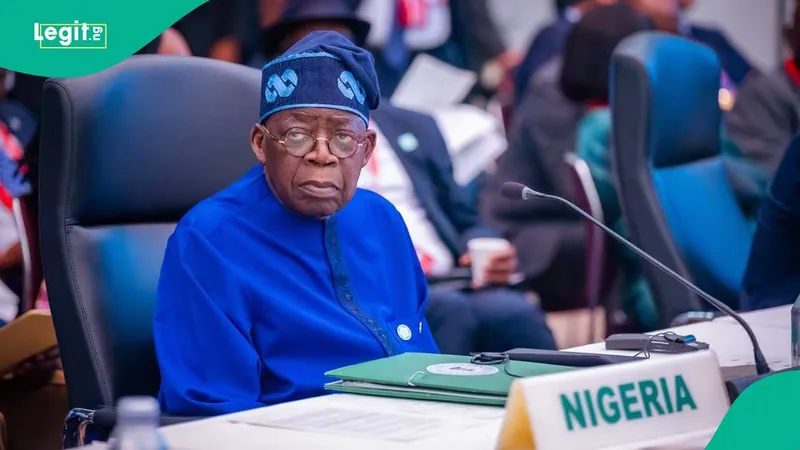
Presidency Acknowledges Rising Poverty Under Tinubu's Reforms

Seyi Tinubu Addresses Economic Hardships at Colloquium
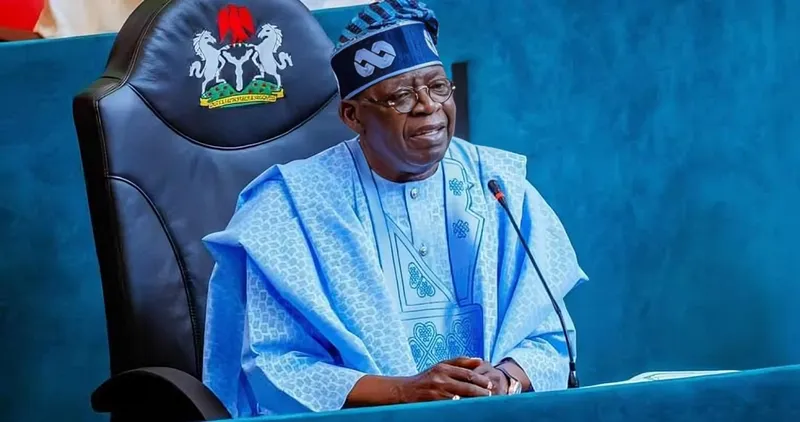
Tinubu's Reforms Yield Economic Growth and Price Stability

Tinubu's Presidency Defends Economic Reforms Amid Criticism
Get Plus234Feed on messaging apps
Same headlines, delivered where you already scroll.