

Analysis of Nigeria's 4th Republic: Political Challenges and Societal Disparities
The article delves into Nigeria's 4th Republic, highlighting political challenges such as declining voter turnout in recent presidential elections. It discusses societal issues like disparities in education and healthcare, with Nigeria having a high number of out-of-school children and lagging health indicators.
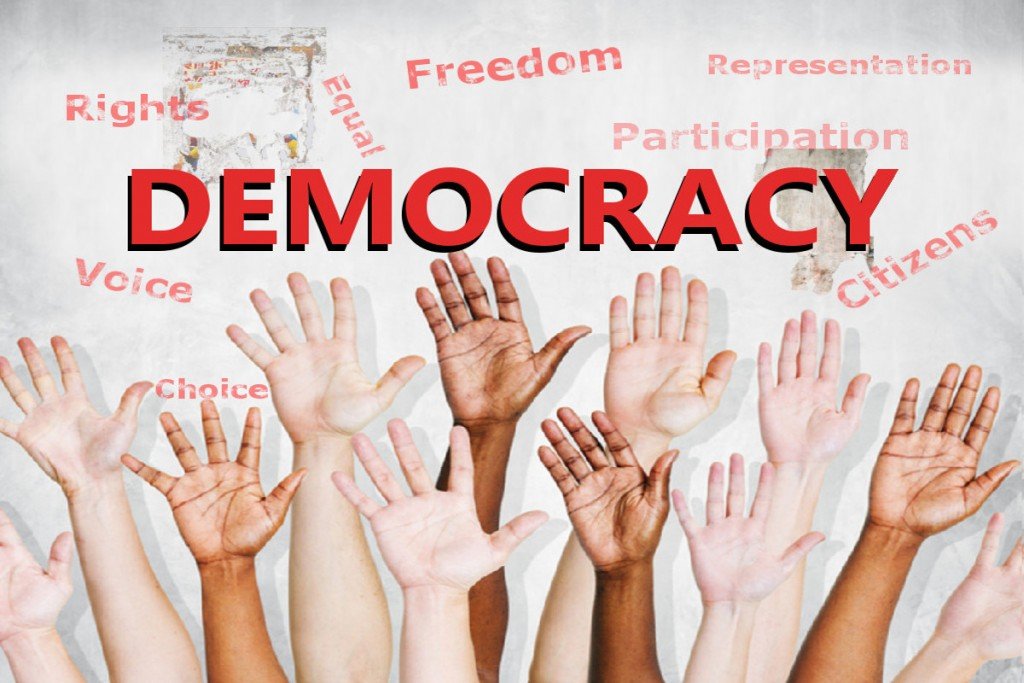
Quoting historical figures like John Quincy Adams and John F. Kennedy, it emphasizes the importance of democracy and the need for continuous efforts to strengthen it.
The introduction of GSM technology in 2001 is noted as a high point, impacting Nigeria's socio-political and economic landscape. Despite some positive developments, the country faces challenges like weak institutions, brain drain, and underutilization of its young population.
The article underscores the importance of citizen engagement, freedom, and the potential for wealth creation in a democratic setting.
Plus234Feed summary based on reporting from Daily Trust. Read the original report below.
Read full article
Continue on Daily Trust
Get the week in one email
Top stories, NPFL results, the naira — every Friday morning. Free, one email a week.
Related Stories
Analysis of Nigeria's 4th Republic Challenges
Nigeria's Fourth Republic Faces Escalating Security Threats, Expert Analysis Reveals
Nigeria's Fourth Republic: Political Turmoil and Power Struggles Leading to 2027 Elections
Challenges Facing Nigeria's Democracy: Leadership Crisis and Military Coup Risks
Nigeria's Economic Struggles Amid High Inflation Rates
Analysis of Nigeria's Fourth Republic: Successes and Challenges
Get Plus234Feed on messaging apps
Same headlines, delivered where you already scroll.


