

Nigeria's Economy Grows 4.43% Amid Rising Living Costs

Nigeria's economy is experiencing a reported growth of 4.43% in the second quarter of 2026, according to the National Bureau of Statistics. While the naira's stability has improved, and inflation has moderated to 15.43%, food inflation has risen to 20.31%.
Despite these statistics, many ordinary Nigerians face economic hardship, as their incomes have not kept pace with rising prices. Families are forced to cut back on essential items, delay medical treatments, and make significant lifestyle changes.
The growth reported is largely driven by the services sector, which accounted for 56.62% of output, while agriculture and industry showed slower growth rates. The article emphasizes that economic stability should be measured by the tangible benefits experienced by households, not just by improving indicators on government dashboards.
There is a call for growth that creates jobs and supports sectors like manufacturing and agriculture to ensure that economic recovery is felt by all Nigerians.
Plus234Feed summary based on reporting from This Day. Read the original report below.
Read full article
Continue on This Day
Get the week in one email
Top stories, NPFL results, the naira — every Friday morning. Free, one email a week.
Related Stories
Nigeria's GDP Grows 4.43% in Q2 2026 Amid Oil Surge
Nigeria's Economy Grows 3.9% in H1-2026 Amid Challenges
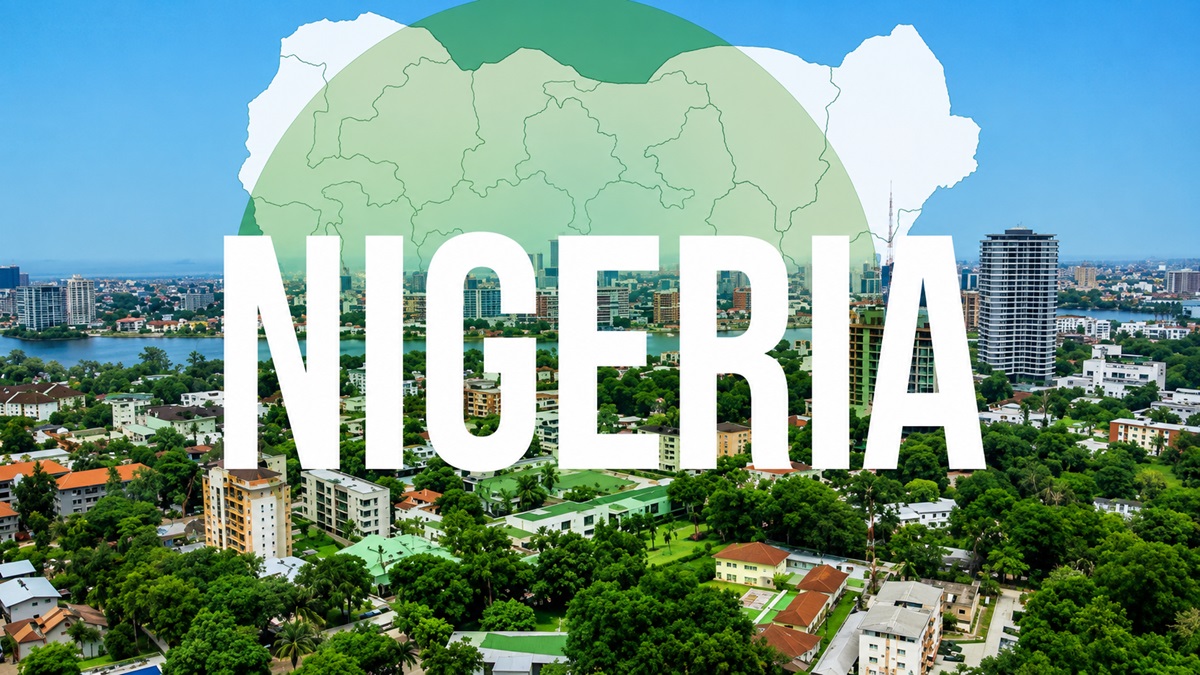
Nigeria's Economy Shows Improvement Amid High Borrowing Costs

Nigeria's Economy Stabilizes, Says Finance Minister
Nigeria's GDP Grows 4.43% Amid Power Sector Decline
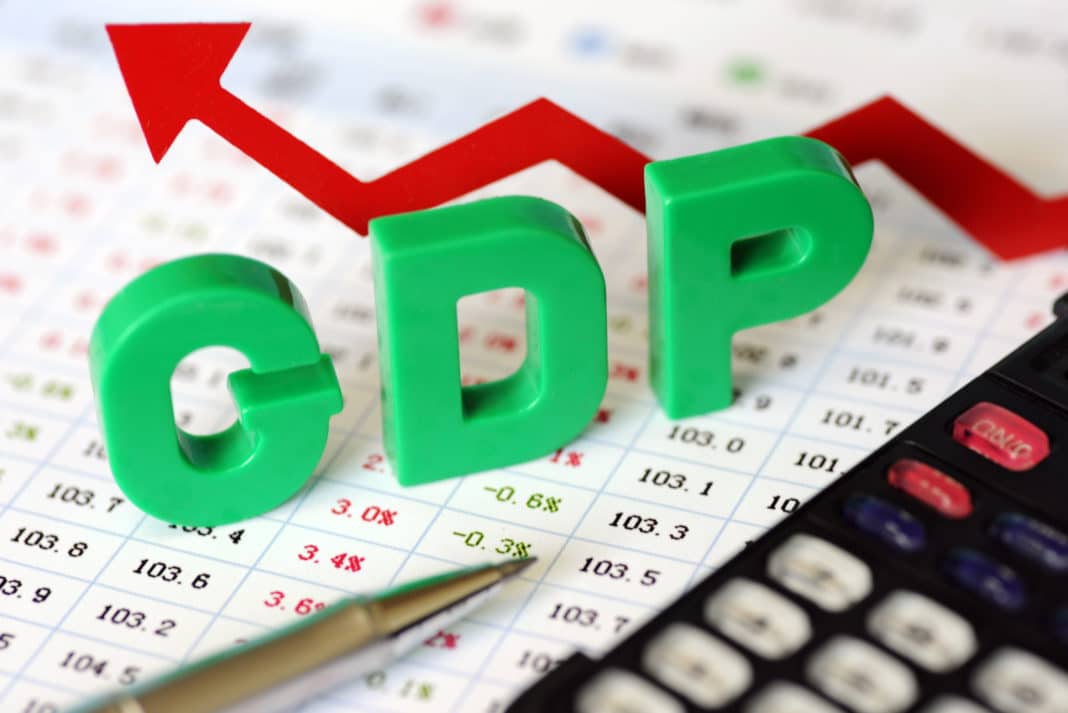
Nigeria's economy hits 4.43% growth in Q2 2026, advancing toward $1trn goal
Get Plus234Feed on messaging apps
Same headlines, delivered where you already scroll.


