

Nigeria's N7.65 Trillion Food Imports Drive Inflation

Opeoluwa Runsewe, CEO of Terroso Group, has stated that Nigeria's N7.65 trillion food imports are significantly fueling inflation. He emphasized that the country’s agricultural economy is undermined by structural challenges, including weak infrastructure, high post-harvest losses, and a fragmented landholding system.
According to the latest foreign trade statistics from the National Bureau of Statistics, Nigeria's growing dependence on foreign supplies to meet domestic demand is alarming. Runsewe pointed out that the quality of local agricultural products and the inefficiencies in the supply chain are critical issues that need addressing.
He proposed a system approach to agriculture that includes data-driven farming, improved cold chain logistics, and embedded financing to enhance local production. Runsewe also noted that without significant investment in infrastructure and market access, Nigeria will continue to rely on imports, which poses risks to food security and economic stability.
Plus234Feed summary based on reporting from Nairametrics. Read the original report below.
Read full article
Continue on Nairametrics
Get the week in one email
Top stories, NPFL results, the naira — every Friday morning. Free, one email a week.
Related Stories
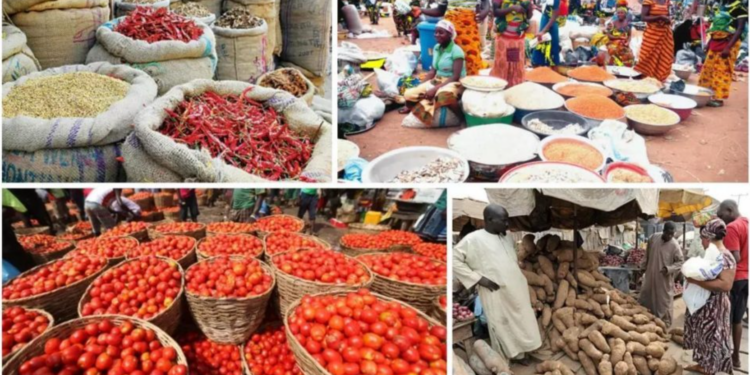
Nigeria's Food Prices Soar Despite N7.65 Trillion Imports
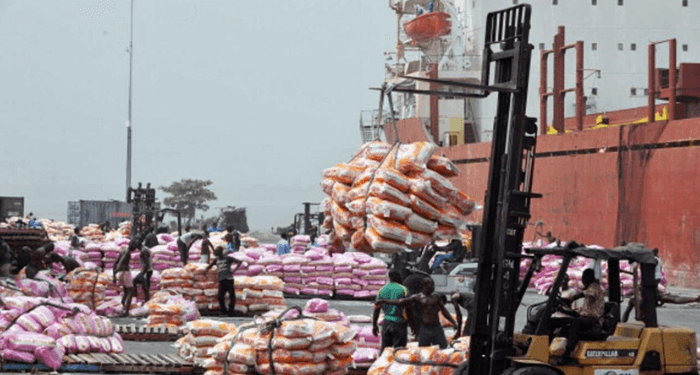
Nigeria's Food Import Bill to Hit N7.65 Trillion by 2025

Nigeria's Food Imports Decline to $2.34 Billion in 2025
Nigeria's Inflation Hits 15.69% in April 2026
Nigeria Faces Food Security Risks Amid Iran Conflict

Nigeria Loses 50% of Farm Output to Storage Issues
Get Plus234Feed on messaging apps
Same headlines, delivered where you already scroll.


