

Nigeria's Oil Reserves Decline, Gas Reserves Increase

As disclosed by the Nigerian Upstream Petroleum Regulatory Commission on January 1, 2026, Nigeria's total oil and condensate reserves have decreased to 37.01 billion barrels, marking a 0.74% decline attributed to sustained production limits and a lack of new oil discoveries. In contrast, the country's total gas reserves have risen to 215.19 trillion cubic feet, reflecting a 2.21% increase due to ongoing exploration successes and improved technical assessments.
The commission, led by Chief Executive Oritsemeyiwa Eyesan, emphasized its commitment to enhancing upstream sector performance and ensuring long-term resource sustainability. The reserves life index stands at 59 years for oil and 85 years for gas, indicating the estimated duration of resources at current production levels.
The report highlights a gradual transition towards gas-driven energy strategies in line with the federal government's decade-long gas initiative, which aims to meet global demand for cleaner fuels and strengthen regulatory oversight in the upstream sector.
Plus234Feed summary based on reporting from Punch Newspapers. Read the original report below.
Read full article
Continue on Punch Newspapers
Get the week in one email
Top stories, NPFL results, the naira — every Friday morning. Free, one email a week.
Related Stories
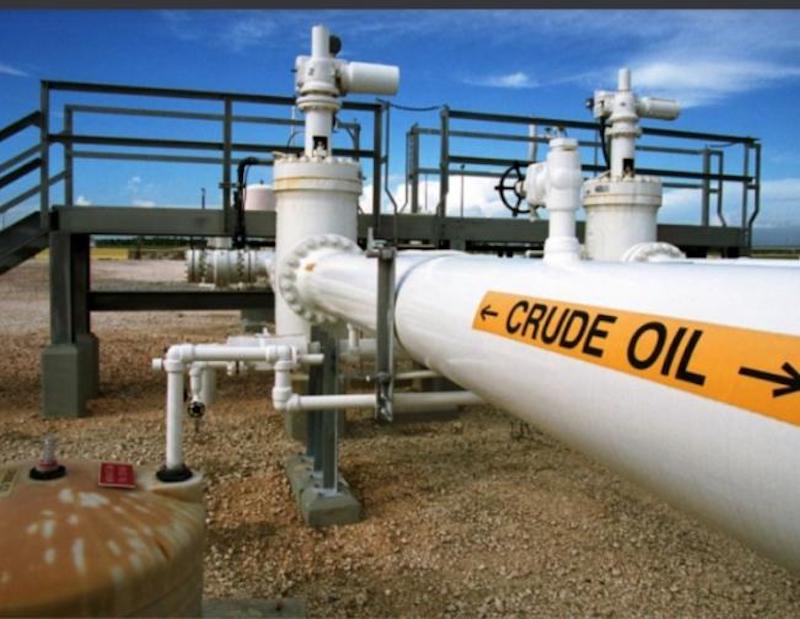
Nigeria's Oil Reserves Drop to 37.01bn Barrels in 2026

NUPRC Reports 37 Billion Barrels Oil Reserves for 2026

Nigeria's Gas Exports Projected at $10.5 Billion by 2025
Nigeria's Gas Exports Exceed 45% Amid Power Crisis

Nigeria's Reserves Surge 772% to $34.8 Billion by 2025

Nigeria Targets 12 Bcf Daily Gas Production by 2030
Get Plus234Feed on messaging apps
Same headlines, delivered where you already scroll.


