

Preventing Waterborne Diseases in Nigerian Children

The rainy season in Nigeria brings relief from extreme heat but increases the risk of waterborne diseases, particularly among young children in flood-prone areas. Contaminated drinking water, poor sanitation, and inadequate hygiene create conditions for the rapid spread of harmful bacteria, viruses, and parasites.
Children under five are especially vulnerable due to their developing immune systems. According to the Nigeria Centre for Disease Control, the rainy season often leads to outbreaks of diseases like cholera, typhoid fever, and diarrheal illnesses, which are significant causes of illness and death among young children.
Parents are advised to ensure safe drinking water through purification methods, proper hand hygiene, and safe food preparation practices. Despite preventive measures, children may still fall ill, necessitating immediate medical attention for symptoms like diarrhea and dehydration.
The article underscores the importance of maintaining a clean environment and proper waste disposal to reduce exposure to contaminated water.
Plus234Feed summary based on reporting from Nigerian Tribune. Read the original report below.
Read full article
Continue on Nigerian Tribune
Get the week in one email
Top stories, NPFL results, the naira — every Friday morning. Free, one email a week.
Related Stories
Flooding in Nigeria Raises Health Risks from Contaminated Water

Cholera Outbreak in Nigeria: 5,260 Cases, 67 Deaths Recorded

Nigeria's Malaria Prevalence Drops to 15% with New Plans
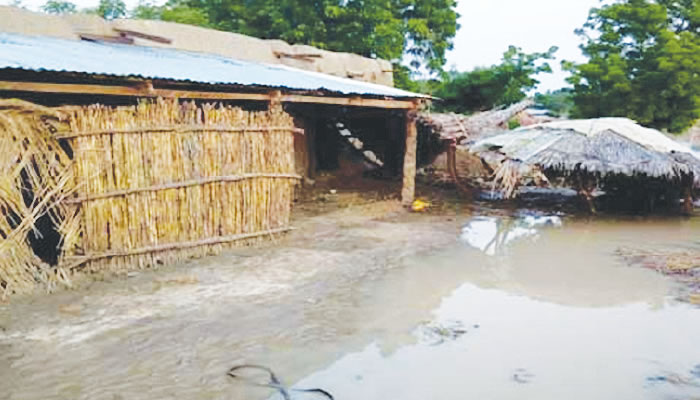
Rainy Season Intensifies Health Crisis in Zamfara State
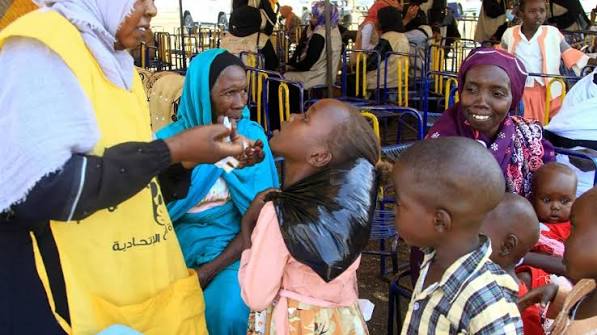
Nigeria Faces Major Cholera Outbreak, UNICEF Reports
Cholera Outbreak in Borno State Claims Lives, NCDC Warns
Get Plus234Feed on messaging apps
Same headlines, delivered where you already scroll.


