

Nigeria's Inflation Drops, Yet Food Prices Remain High

In August 2026, Nigeria's inflation rate decreased marginally to 15.39% from 15.43% in July, according to the National Bureau of Statistics (NBS). Month-on-month inflation improved significantly, dropping to 0.71% from 1.57% in July.
However, food inflation remained a significant concern, recorded at 19.57% year-on-year, indicating that average food prices are still substantially higher than the previous year. Month-on-month food inflation saw a sharp decline to 1.02% from 5.56% in July.
The NBS noted that price changes in items such as palm oil, pepper, onions, and yam flour contributed to this moderation. Urban inflation was at 15.88% year-on-year, while rural inflation accelerated to 1.79%.
Lagos had the highest year-on-year headline inflation at 23.68%, while Adamawa recorded the highest annual food inflation at 38.85%. Despite the overall inflation slowdown, the cost-of-living pressures for households persist, indicating that a sustained period of slower inflation is needed for noticeable improvement in daily spending.
Plus234Feed summary based on reporting from Legit.ng. Read the original report below.
Read full article
Continue on Legit.ng
Get the week in one email
Top stories, NPFL results, the naira — every Friday morning. Free, one email a week.
Related Stories
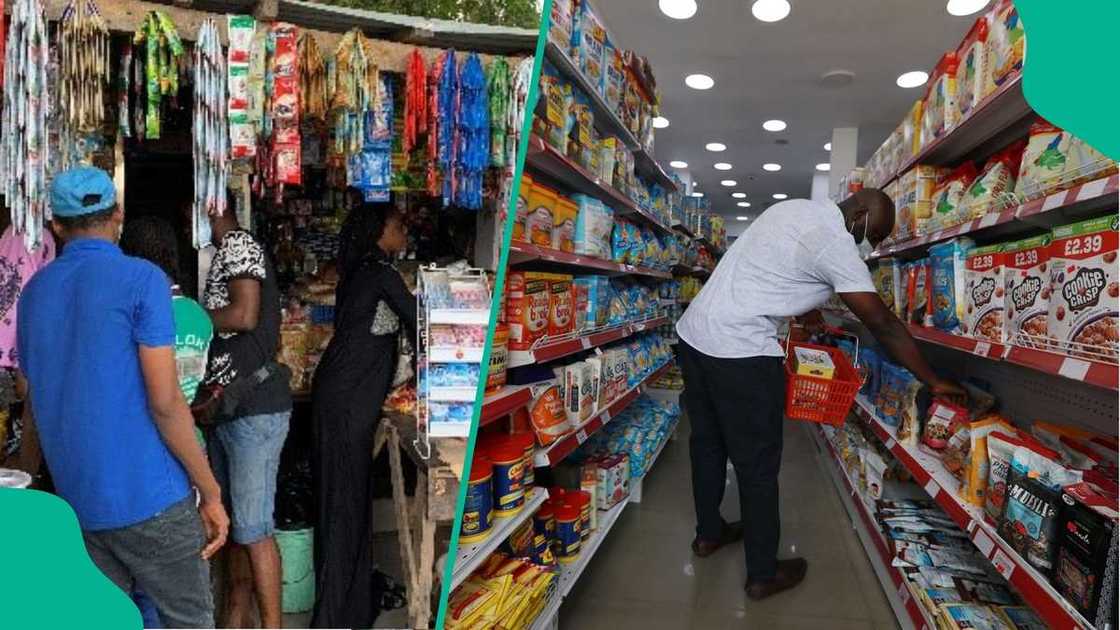
Nigeria's Food Inflation Drops to 19.57% Amid Price Stability

Nigeria's Inflation Rate Drops, Food Prices Surge
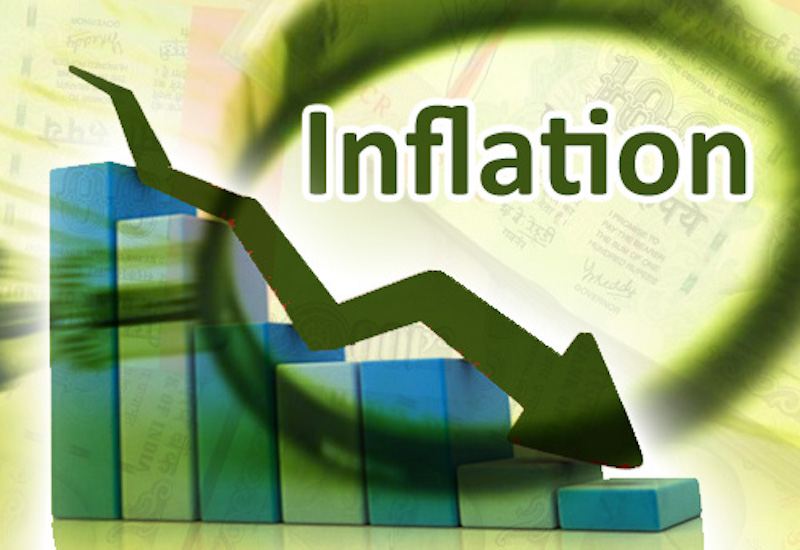
Nigeria's Headline Inflation Drops to 15.43%, But Food Prices Surge
Nigeria's Farm Produce Inflation Hits 21.99% in August 2026
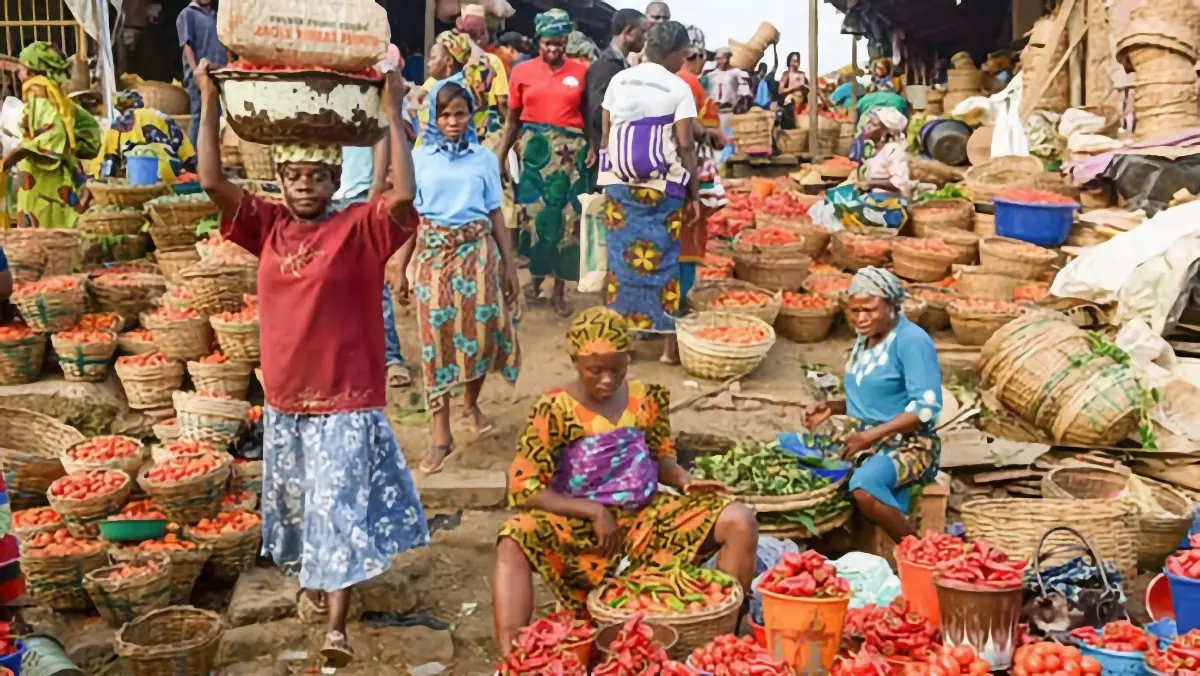
Nigeria's inflation rate edges down to 15.39% in August
Nigeria's Inflation Declines Amid Rising Food Prices
Get Plus234Feed on messaging apps
Same headlines, delivered where you already scroll.


