

Abuja's Purchasing Power Hit by Falling Food Prices Amid Economic Challenges

The article discusses the impact of falling food prices in Abuja, Nigeria, where despite recent declines in food prices, households are still experiencing limited relief due to stagnant incomes and persistent inflation. Market data shows a slight reduction in prices of key staples like rice, beans, and yam, attributed to seasonal harvests and improved supply conditions.
However, the overall impact on household welfare is limited as rising costs in essential areas such as transport, rent, and education offset the benefits of lower food prices. The National Bureau of Statistics reports that while food inflation has eased marginally, headline inflation remains high, putting pressure on real incomes and reducing household consumption capacity.
Plus234Feed summary based on reporting from The Will. Read the original report below.
Read full article
Continue on The Will
Get the week in one email
Top stories, NPFL results, the naira — every Friday morning. Free, one email a week.
Related Stories
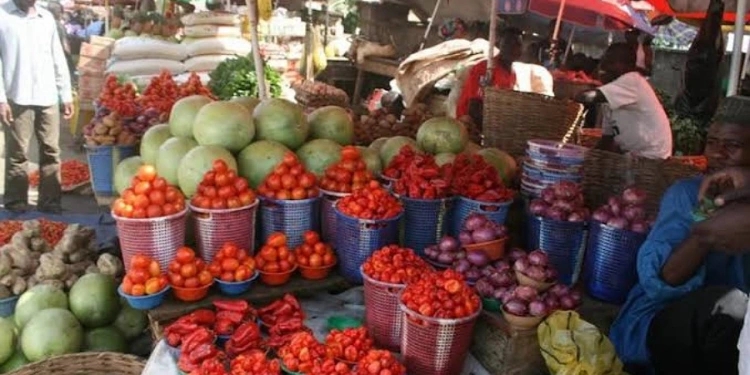
Abuja Residents Struggle with Low Purchasing Power Despite Slight Food Price Drop

Economist Warns of Inflation Impact on Nigeria's Purchasing Power in 2026
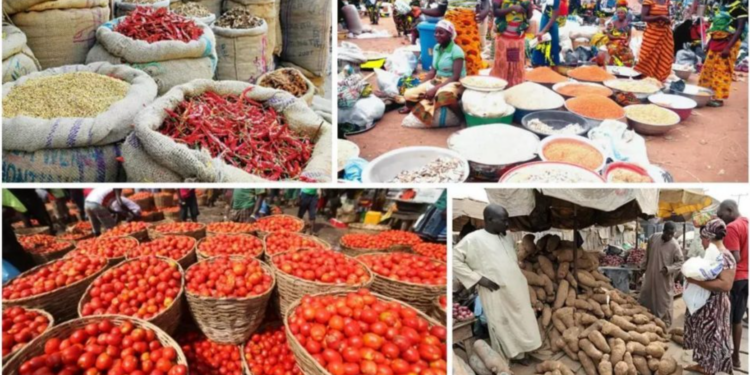
Abuja Food Prices Fluctuate in September 2025; Relief in Tomato Costs
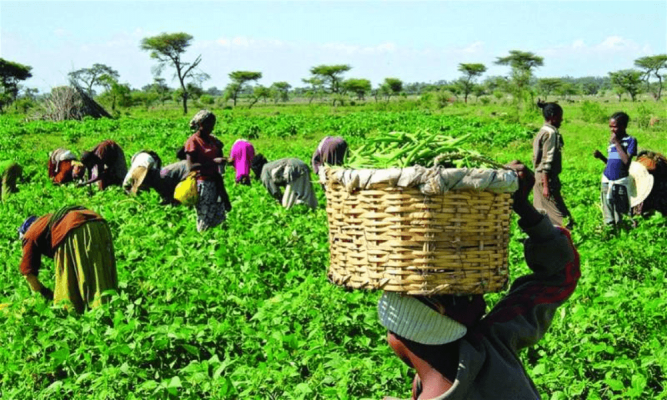
Nigerian Economy Struggles Despite Bumper Harvest, Farmers Face Challenges
World Bank Urges Nigeria to Tackle Food Inflation Amid Economic Progress
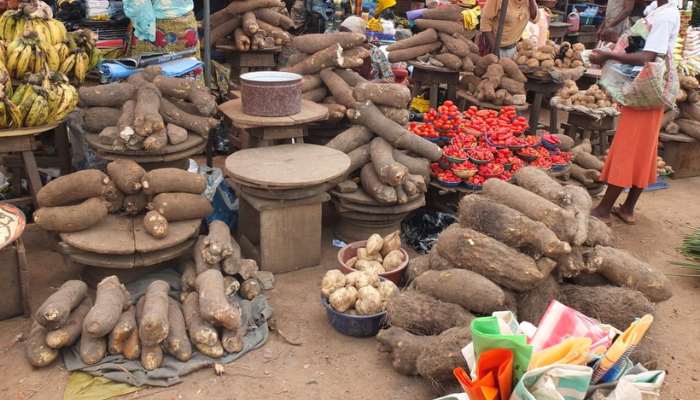
Nigerian Food Prices Drop Significantly Due to Favorable Climate and Improved Harvests
Get Plus234Feed on messaging apps
Same headlines, delivered where you already scroll.


