

Nigeria's Economic Reforms Under Tinubu: A Critical Analysis

The article discusses the ongoing economic reforms in Nigeria under President Bola Tinubu, who took office in May 2023. The country has a history of economic reforms dating back to 1984, with previous administrations, including those of Muhammadu Buhari, Tunde Idiagbon, Ibrahim Babangida, and Olusegun Obasanjo, implementing various measures.
Tinubu's administration is characterized by a rapid approach to reform, including the removal of petrol subsidies and floating the naira to address a fiscal crisis where 90% of government revenue is directed towards debt servicing. The article highlights the challenges of implementing these reforms, as they may inflict pain on the populace, reminiscent of past structural adjustment programs that led to public unrest.
A recent event in Abuja, supported by the Nigerian Economic Summit Group (NESG) and the UK Government's Foreign, Commonwealth & Development Office (FCDO), aimed to discuss sustainable economic transformation in Nigeria. The article emphasizes the need for difficult adjustments to avert a financial disaster, noting the precarious state of Nigeria's economy.
Plus234Feed summary based on reporting from This Day. Read the original report below.
Read full article
Continue on This Day
Get the week in one email
Top stories, NPFL results, the naira — every Friday morning. Free, one email a week.
Related Stories
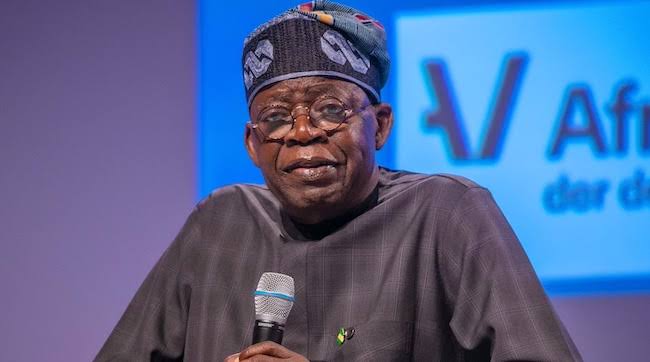
Tinubu's Economic Reforms: A Path to Nigeria's Stability
Nigeria's Economy Shows Progress After Reforms Under President Tinubu
Tinubu's Economic Reforms Boost Nigeria's Foreign Reserves
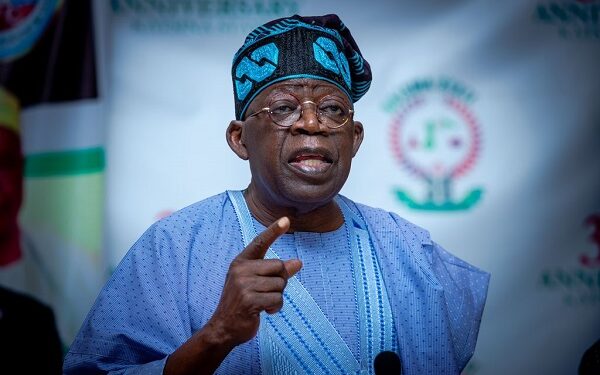
Tinubu Affirms Nigeria's Economic Reforms, World Bank Lauds Policy Consistency
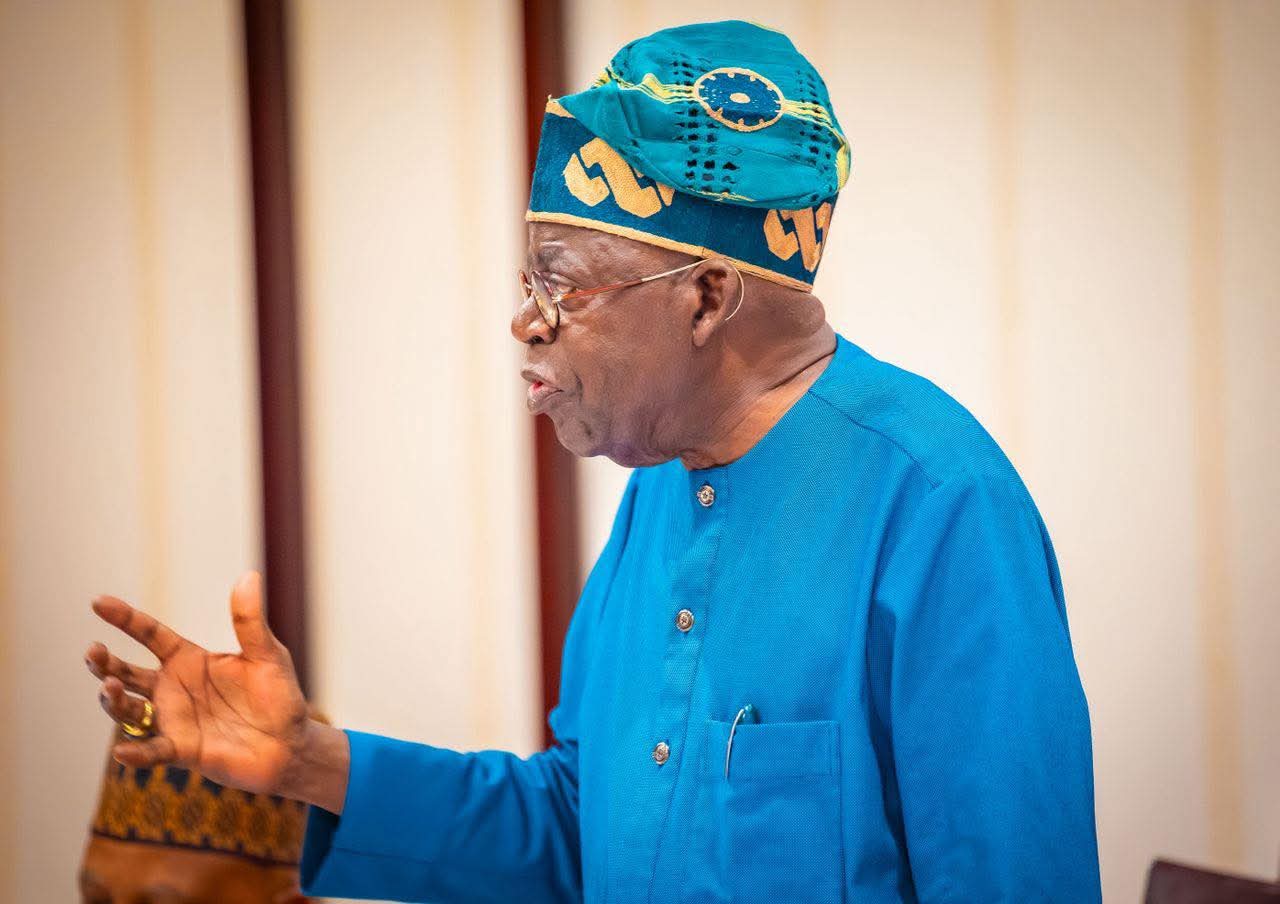
Tinubu's Reforms Boost Nigeria's Real Sector Revenue
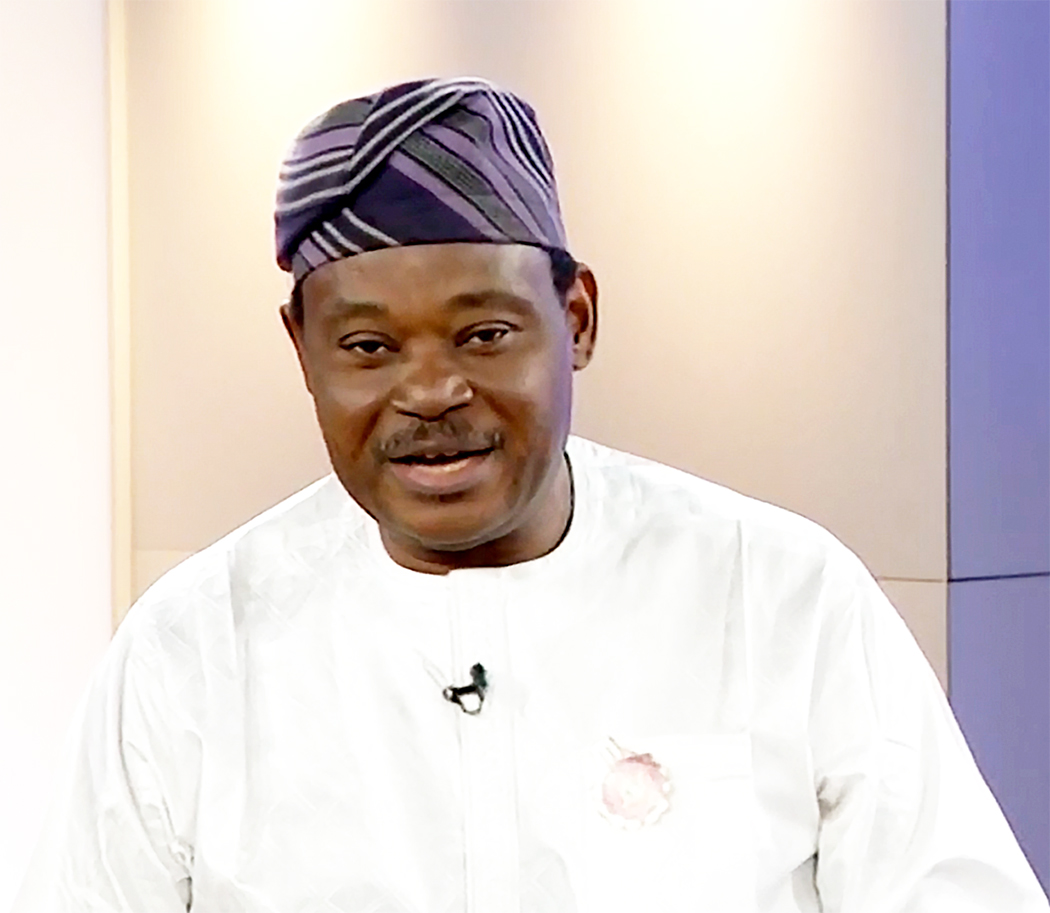
Tinubu's Economic Reforms Will Continue, Says Jimoh Ibrahim
Get Plus234Feed on messaging apps
Same headlines, delivered where you already scroll.


