

Senate Approves Compromise on Electronic Vote Transmission

The ongoing debate regarding the real-time electronic transmission of election results in Nigeria has gained renewed attention as the Senate approved a compromise on February 9, 2023. This compromise allows for electronic transmission while retaining a fallback provision in case of technological failures.
Prominent opposition figures, including Peter Obi and Rotimi Amaechi, have led protests demanding the removal of fallback options, arguing that real-time transmission is essential for safeguarding electoral integrity. The Independent National Electoral Commission (INEC) is tasked with implementing these changes ahead of the 2027 general elections.
Critics warn that the reliance on fallback provisions could lead to voter disenfranchisement, particularly in areas with poor internet connectivity. The article highlights the historical context of electoral manipulation in Nigeria and the need for reforms to protect democracy.
Despite approximately 93 million registered voters, only around 30 million participated in the last election, reflecting widespread distrust in the electoral system.
Plus234Feed summary based on reporting from This Day. Read the original report below.
Read full article
Continue on This Day
Get the week in one email
Top stories, NPFL results, the naira — every Friday morning. Free, one email a week.
Related Stories

Nigerian Senate Debates Real-Time Electronic Election Result Transmission Proposal

Senate Spokesman Affirms Commitment to Electronic Transmission of Election Results

Nigeria's Push for Mandatory Electronic Vote Transmission
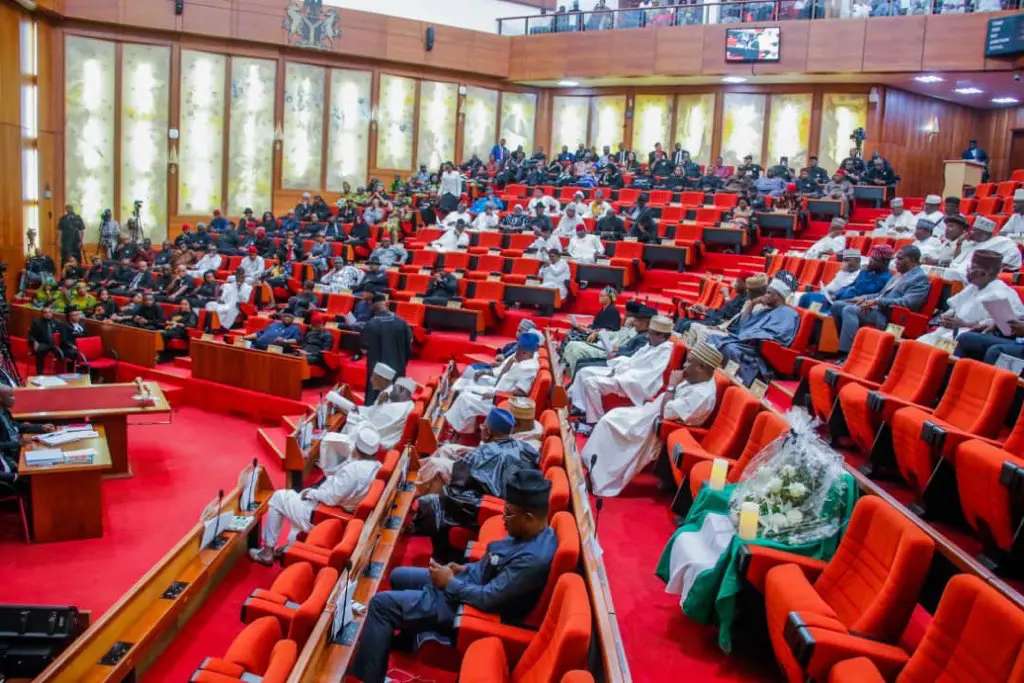
Senate Explains Removal of 'Real-Time' Clause in Bill

Tech Expert Challenges Senate on E-Transmission Feasibility
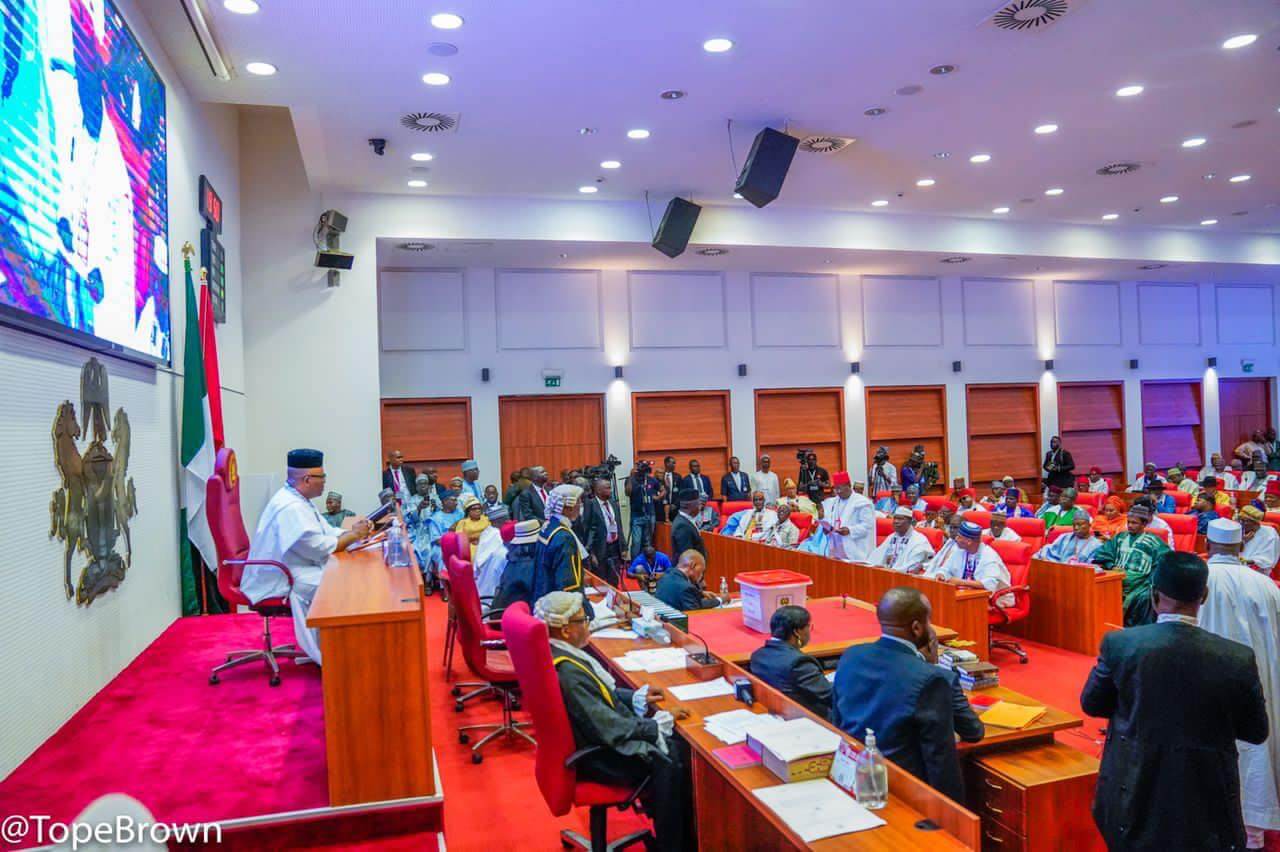
Nigerian Senate Adopts Hybrid Election Result Transmission System Amid Controversy
Get Plus234Feed on messaging apps
Same headlines, delivered where you already scroll.


