

Nigeria Faces Economic Challenges Amid Political Pressures in 2026

Nigeria enters 2026 at a crucial juncture where economic stability is pitted against political influences ahead of the 2027 general elections. The country is navigating reforms to restore stability, combat inflation, and boost investor confidence amidst fiscal pressures and campaign expenditures.
The federal budget for 2026, amounting to N58.18 trillion, aims to address past weaknesses in execution and debt servicing challenges. The economy is projected to grow around 4-4.5% driven by service sector improvements and non-oil sector growth, despite tight fiscal conditions and political spending pressures.
Plus234Feed summary based on reporting from This Day. Read the original report below.
Read full article
Continue on This Day
Get the week in one email
Top stories, NPFL results, the naira — every Friday morning. Free, one email a week.
Related Stories
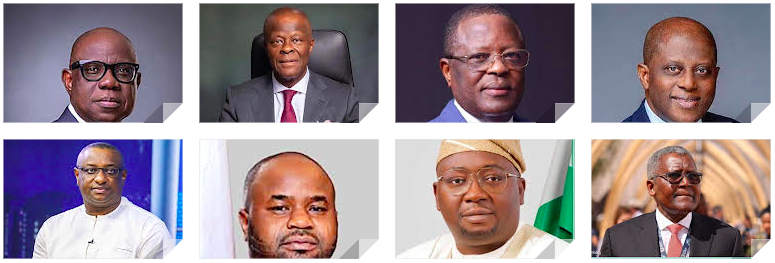
Nigeria's Economy in 2025: Reforms, Strain, and Fragile Recovery
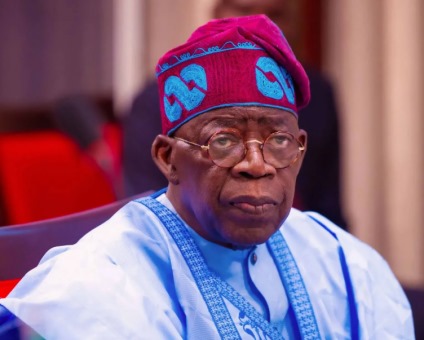
Nigeria Anticipates Economic Reforms in 2026 to Improve Citizens' Lives
Economists Support IMF's Warning on Sustaining Nigeria's Economic Reforms
Nigeria's 2025 Tax Reforms Spark Public Outcry and Trust Concerns
Tinubu Optimistic About Nigeria's Economic Reforms and Growth Prospects

Nigeria to Commence Tax Reforms on January 1, 2026 for Economic Growth
Get Plus234Feed on messaging apps
Same headlines, delivered where you already scroll.


