

Senate Removes 'Real-Time' Mandate from Electoral Bill

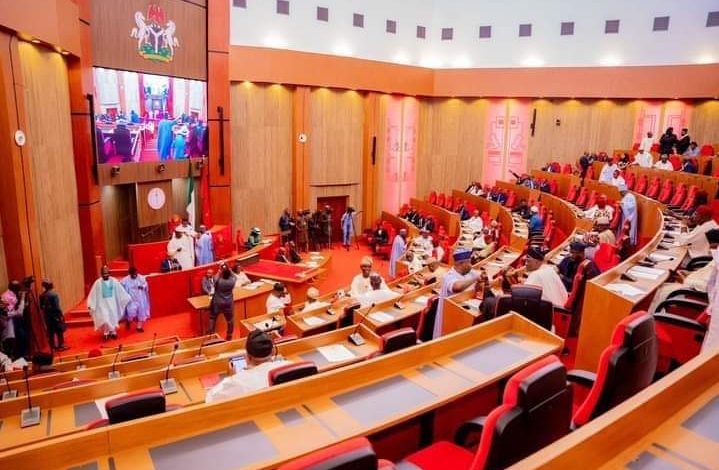
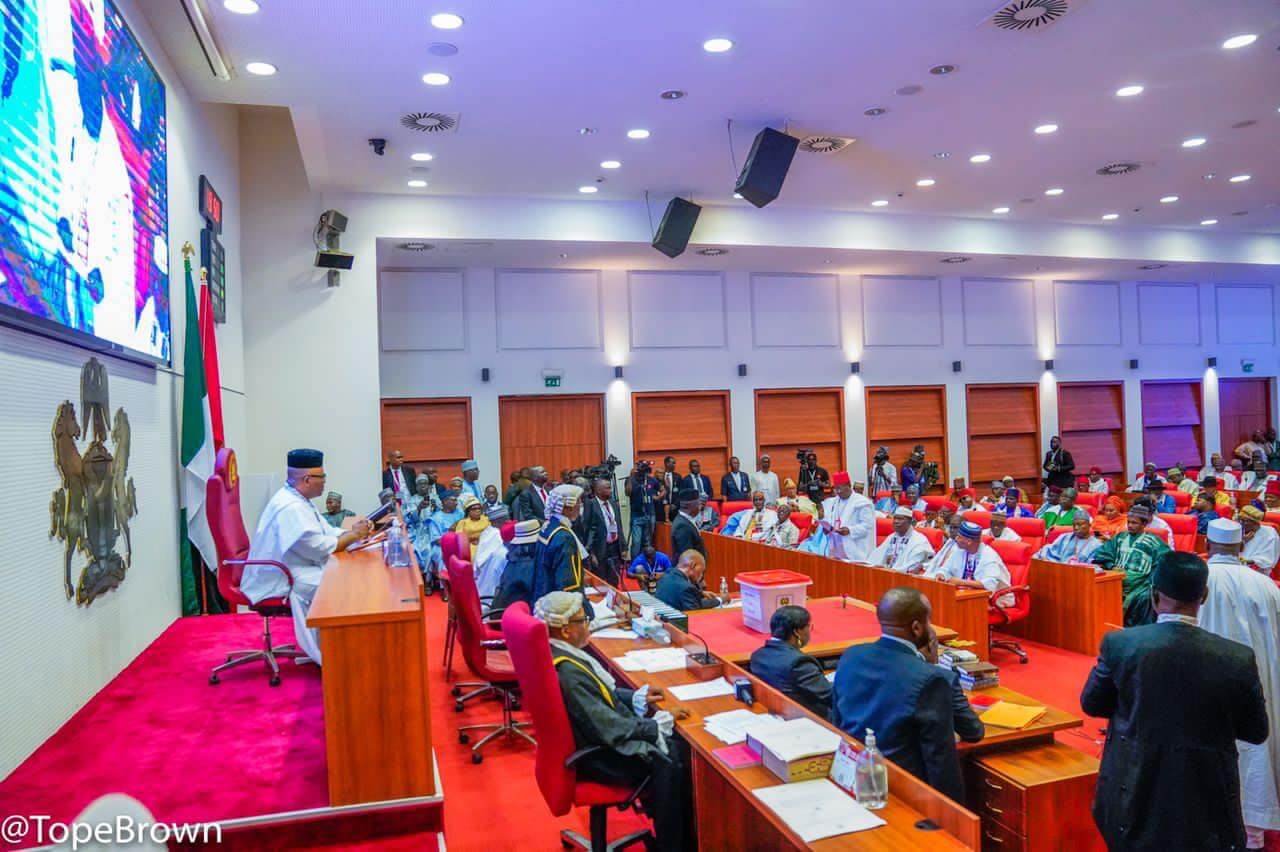
The Nigerian Senate has explained its decision to delete the 'real-time' mandate from Clause 60(3) of the Electoral Act Bill 2026. Senate leader Opeyemi Bamidele stated that the removal was due to the current inadequacy of Nigeria's broadband infrastructure, which could lead to widespread disruptions and post-election unrest.
The Senate opted to retain electronic transmission of results but made it discretionary rather than mandatory. This decision follows extensive consultations with stakeholders in the power sector and comes amid heightened public interest ahead of the 2027 general elections.
Bamidele emphasized that the existing Section 62(2) of the Electoral Act 2022 already guarantees the transfer of election results via the INEC result view portal (IREV). He noted that introducing a strict real-time mandate without fully adopting electronic voting could destabilize the electoral process, as electronic transmission involves uploading manually counted results through a bimodal voter accreditation system, which Nigeria has not yet fully implemented.
Plus234Feed summary based on reporting from This Day. Read the original report below.
Read full article
Continue on This Day
Get the week in one email
Top stories, NPFL results, the naira — every Friday morning. Free, one email a week.
Related Stories
Senate Removes "Real-Time" from Electoral Bill for Infrastructure
Senate Passes Electoral Act Amendment Amidst Tense Debate

Nigerian Senate Rejects Mandatory Real-Time Election Result Upload, Sparking Criticism
Nigerian Senate to Revisit Electoral Act Amid Protests for Transparent Elections

Senate and House Disagree on Electoral Act Amendments
Nigerian Senate Rejects Amendment Mandating Electronic Transmission of Election Results
Get Plus234Feed on messaging apps
Same headlines, delivered where you already scroll.


