

Concerns Over Nigeria's Anti-Corruption Efforts Amid Dissent

The article examines the tension between the Nigerian government's anti-corruption campaign and allegations of silencing dissent. It raises concerns about the sincerity of the government's reform efforts, suggesting that actions taken by enforcement agencies like the Economic and Financial Crimes Commission (EFCC) may appear politically motivated.
High-profile cases include the prosecution of former Attorney General Abubakar Malami for money laundering and former Kaduna State Governor Nasir El-Rufai's arrest related to a corruption probe. The article emphasizes that while credible evidence is necessary for prosecution, the timing and nature of these actions can lead to public distrust and perceptions of political strategy rather than genuine reform.
It warns that such selective justice could undermine democratic institutions and public confidence in the rule of law, especially as the political climate intensifies ahead of the 2027 elections.
Plus234Feed summary based on reporting from This Day. Read the original report below.
Read full article
Continue on This Day
Get the week in one email
Top stories, NPFL results, the naira — every Friday morning. Free, one email a week.
Related Stories
Nigerian Journalist Exposes Corruption and Oppression in Scathing Critique
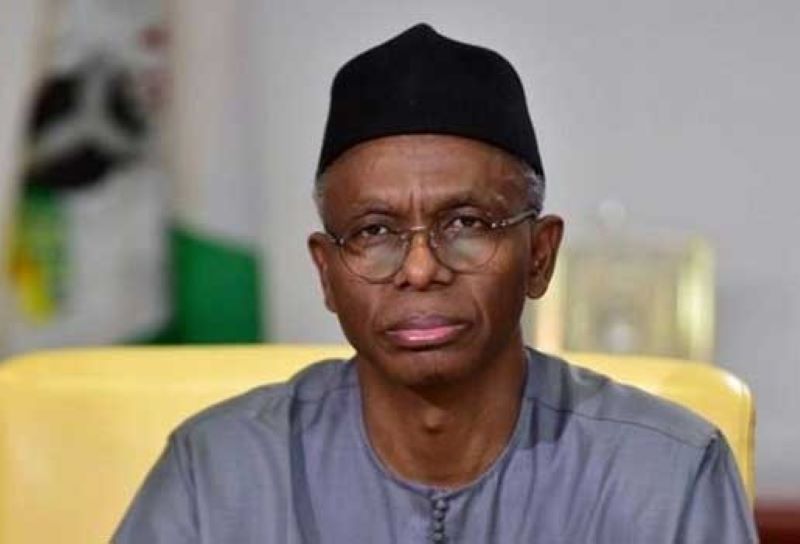
El-Rufai's Detention Highlights Nigeria's Rule of Law Crisis
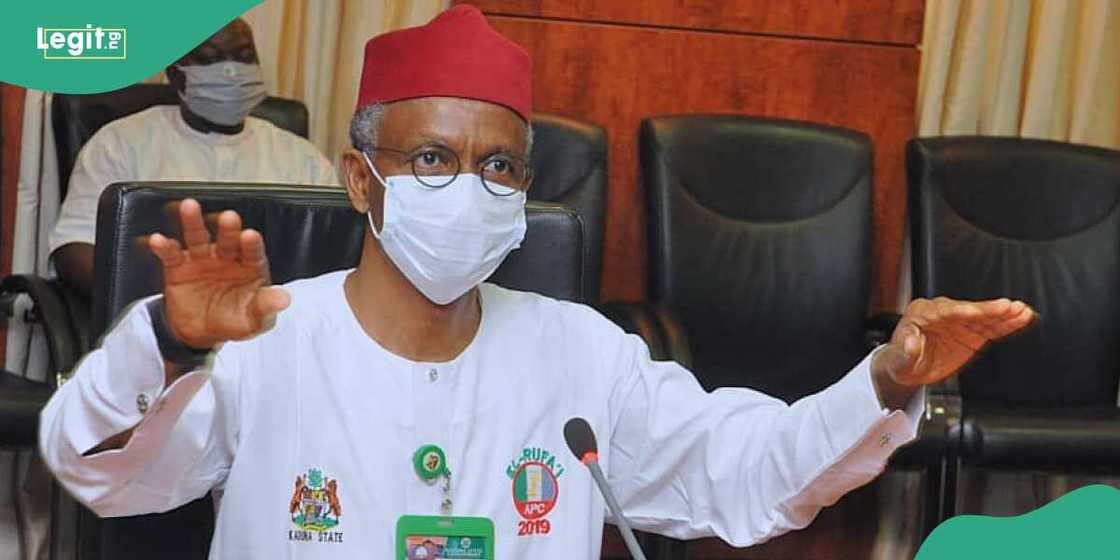
Nasir El-Rufai Addresses Corruption Allegations and Political Realignment Ahead of 2027 Elections
Addressing Nigeria's Deep-Rooted Corruption Crisis
ADC Accuses Federal Government of Selective Justice
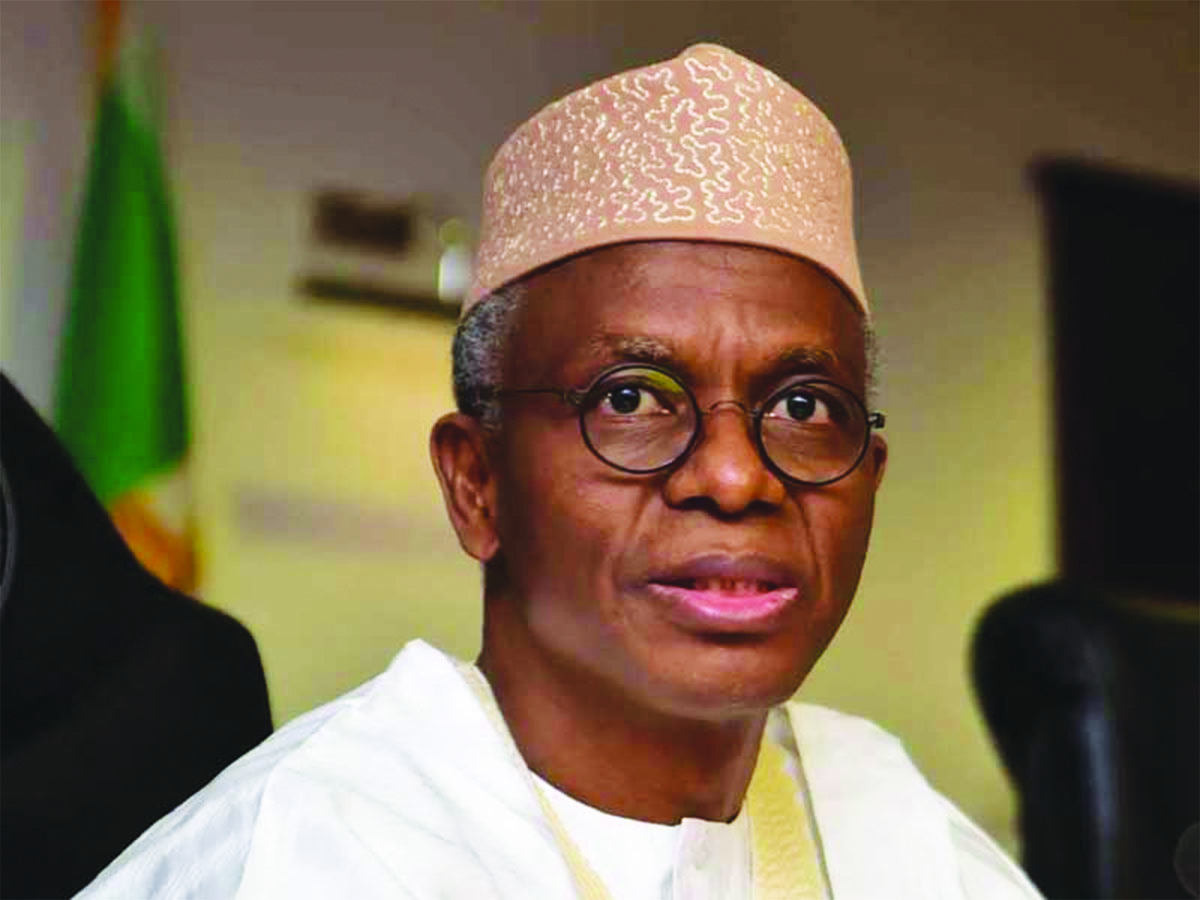
El-Rufai Breaks Silence Amid Political Scrutiny in Nigeria
Get Plus234Feed on messaging apps
Same headlines, delivered where you already scroll.


