

Nigeria's Methane Crisis: Flaring Persists Amid Pledges

The ongoing gas flaring at Inua Eyet Ikot, operated by Network Exploration & Production Nigeria, poses serious environmental and health issues for local residents like Sunday Okon and Idiok Godwin. Despite Nigeria's commitment to eliminate gas flaring by 2030 and its signing of the Global Methane Pledge, enforcement remains weak, leading to increased flaring of gas.
Methane, a potent greenhouse gas, is released during crude oil production, and while burning converts much of it to carbon dioxide, unburned methane escapes through incomplete flaring and leaks. Nigeria generated 16% of sub-Saharan Africa’s oil-and-gas methane emissions from 2010 to 2020.
The government enacted the Petroleum Industry Act, empowering the Nigerian Upstream Petroleum Regulatory Commission (NUPRC) to oversee operators and enforce regulations. However, despite promises of a 60% reduction in fugitive methane emissions by 2035, flaring volumes have increased, reversing a decade of reductions.
Plus234Feed summary based on reporting from Premium Times. Read the original report below.
Read full article
Continue on Premium Times
Get the week in one email
Top stories, NPFL results, the naira — every Friday morning. Free, one email a week.
Related Stories

NUPRC and NNPCL Face Criticism Over Methane Emissions
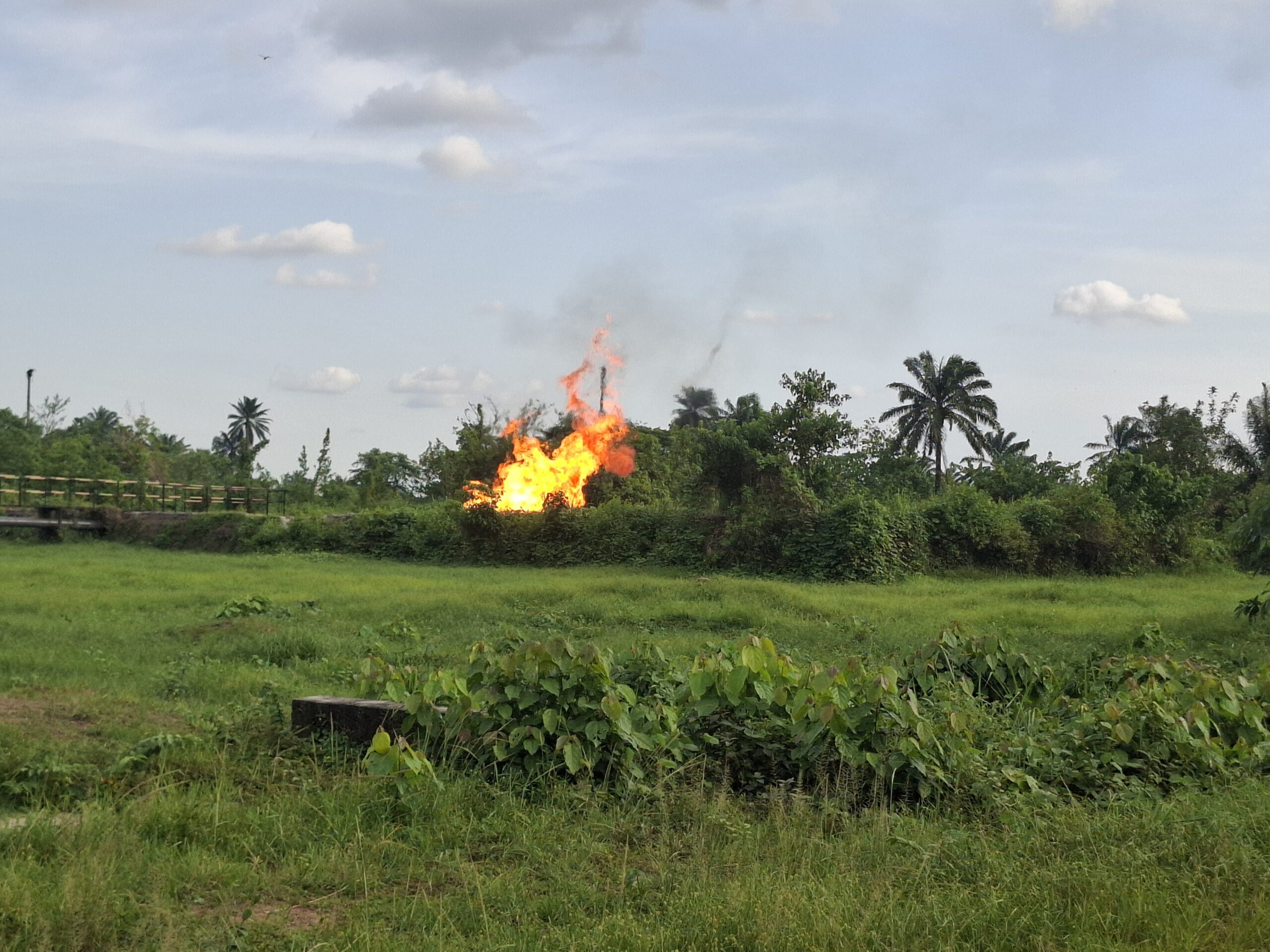
Gas Flaring in Rivers State Harms Agriculture, Residents
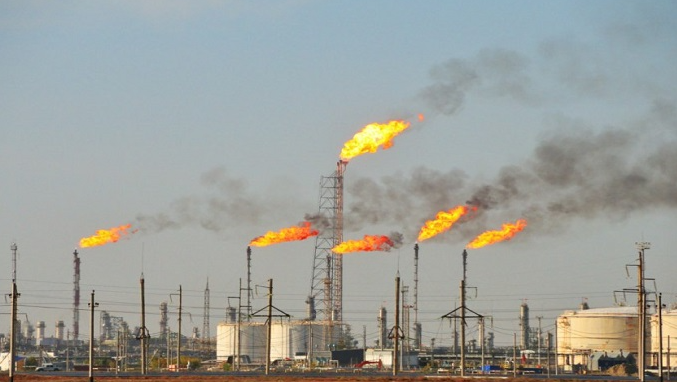
Nigeria's Gas Flaring Rate Reaches 7.48% in August 2026
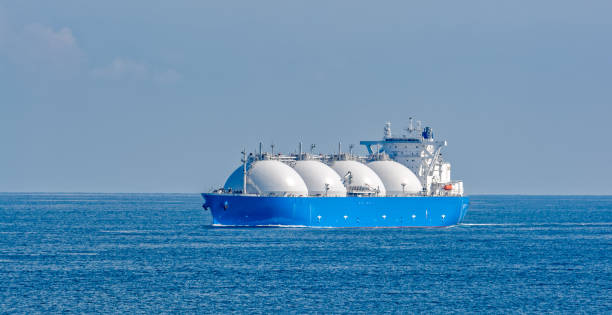
NLNG Advocates for Methane Reduction at Gastech 2026
AfricaGTC Launches FlareOut Project to Combat Gas Flaring
Africa Gas Transport and Energy Ventures to Convert Flaring Gas
Get Plus234Feed on messaging apps
Same headlines, delivered where you already scroll.


