

Nigeria's Groundnut Industry Faces Challenges Due to Poor Storage Practices and Aflatoxin Contamination

Nigeria's groundnut sector struggles with inadequate storage and processing facilities, hindering export opportunities and profitability. Despite an increase in output, poor value addition and post-harvest systems impede Nigeria's ability to tap into lucrative export markets.
The country faces high aflatoxin contamination levels, exceeding EU safety limits, affecting both local and international trade. Experts like Chinedu Agbaji from AFAN highlight the detrimental effects of poor storage practices on groundnut quality and health.
Michael Vabi's research at ICRISAT reveals alarming aflatoxin contamination rates, emphasizing the urgent need for improved storage infrastructure and quality control measures.
Plus234Feed summary based on reporting from Business Day. Read the original report below.
Read full article
Continue on Business Day
Get the week in one email
Top stories, NPFL results, the naira — every Friday morning. Free, one email a week.
Related Stories
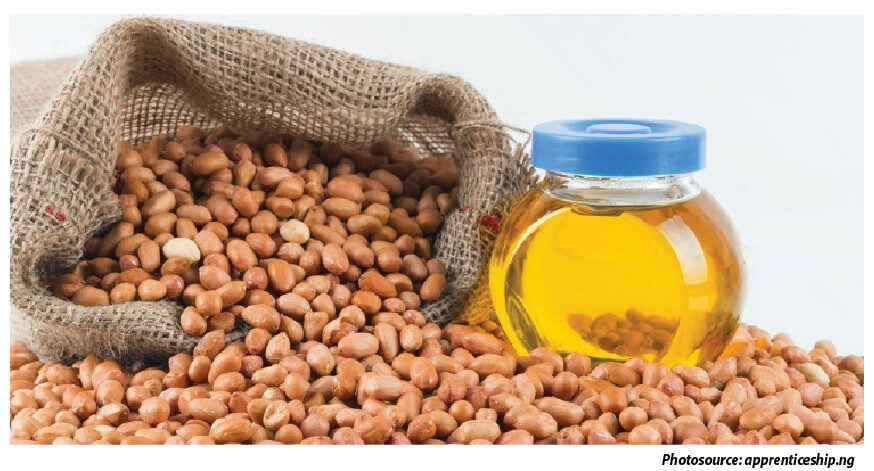
Profitable Groundnut Oil Business Investment Opportunity in Nigeria

Nigeria's Shea Nuts Export Ban Divides Industry, Impacting Female Pickers and Processors

Nigeria's Shea Nut Prices Drop 30% After Export Ban, Threatening Industry Growth!

Nigeria Urges Local Processing of Raw Materials to Boost Economy
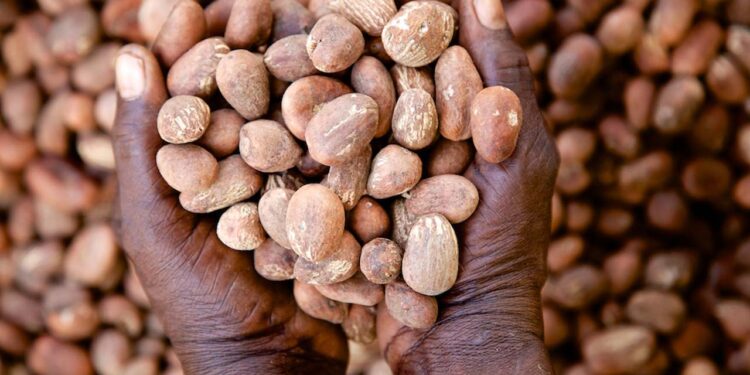
Shea Nut Prices Drop 30% Post-Export Ban, CPPE Urges Government Action

Nigeria's Shea Sector Sees Revival with Local Processing Boost
Get Plus234Feed on messaging apps
Same headlines, delivered where you already scroll.


