

Nigeria's Power Supply Deficit: Urgent $10 Billion Investment Needed

Nigeria's power supply deficit is a critical infrastructure challenge, with the World Bank warning that the country needs to invest $10 billion annually over the next decade to address its enormous infrastructural deficit. Minister of Power Adebayo Adelabu noted that Nigeria's daily power demand is estimated at 50,000 MW, while public supply facilities only provide about 5,000 MW, resulting in a daily deficit of 45,000 MW.
The situation has worsened since the privatization of the Power Holding Company of Nigeria (PHCN) in November 2013, which aimed to improve efficiency and boost investment. However, the privatization process has faced significant challenges, including financial distress among the 11 companies that took over the distribution arm.
The national grid has collapsed multiple times, highlighting severe mismanagement. The government is urged to conduct a comprehensive audit of the privatization process to expose flaws and improve the power supply situation, as the current rate of development suggests that the gap cannot be closed in the next 20 years.
Plus234Feed summary based on reporting from Blueprint. Read the original report below.
Read full article
Continue on Blueprint
Get the week in one email
Top stories, NPFL results, the naira — every Friday morning. Free, one email a week.
Related Stories

Nigeria's Power Crisis: Tinubu's Pledge for Reform

Nigeria Seeks $100 Billion Investment for Power Sector
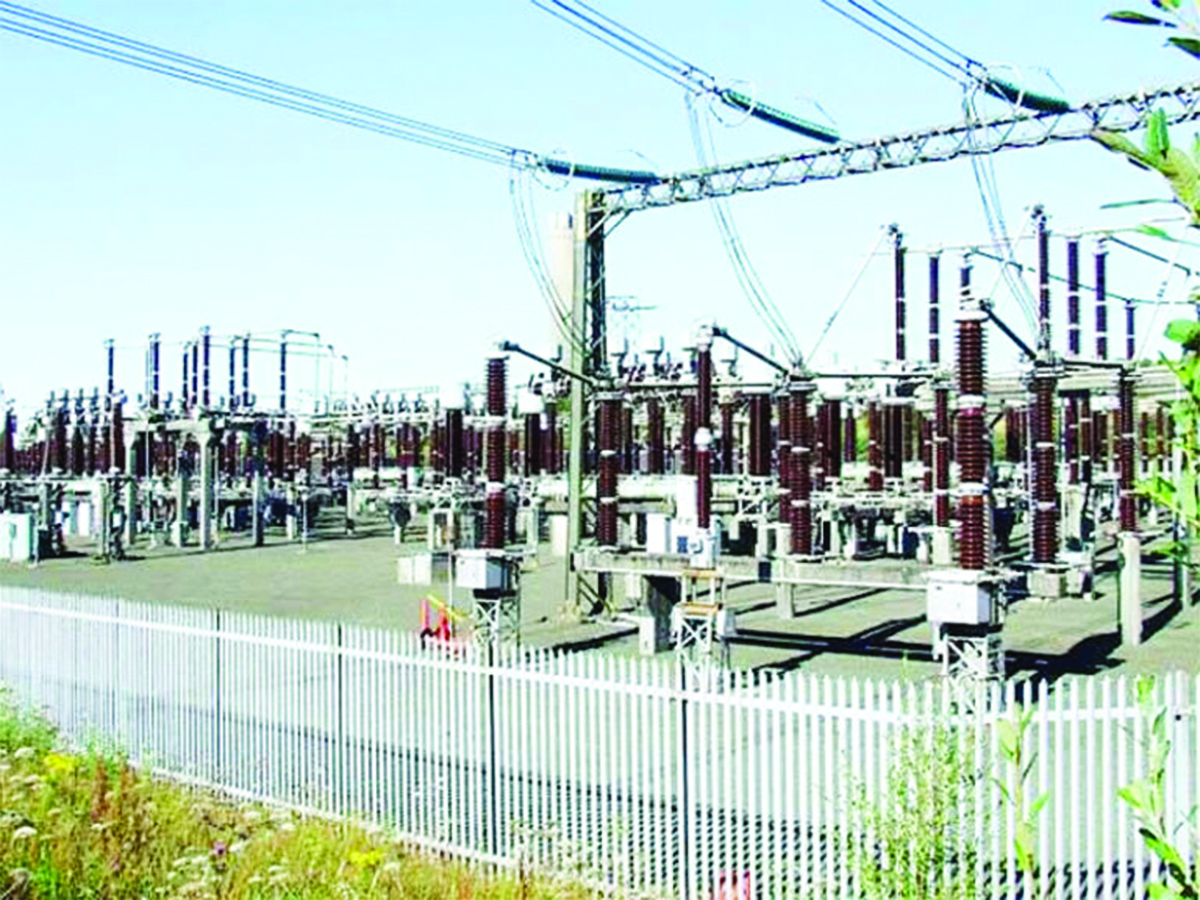
Nigeria's Power Crisis: 68% of Capacity Remains Idle
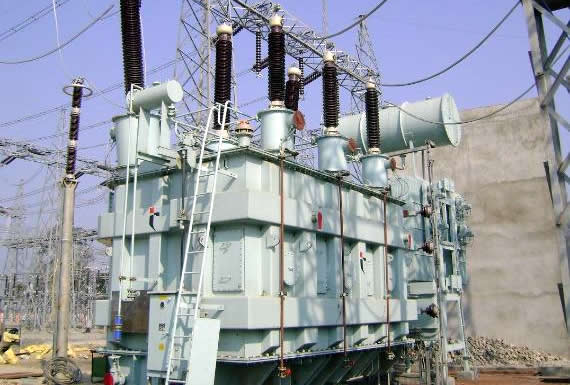
Nigerian Manufacturers Cut Output Amid Electricity Crisis
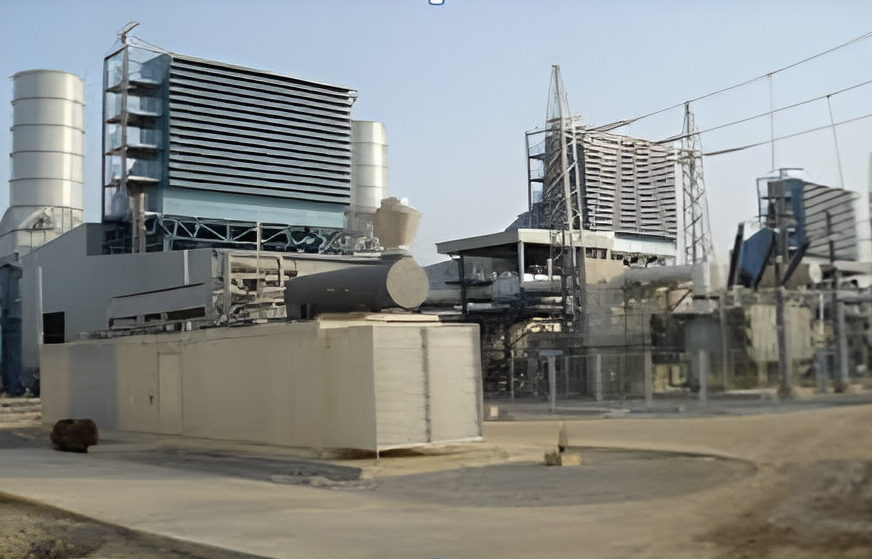
Nigeria's Power Sector Faces Crisis with N6.8 Trillion Debt
Nigeria's Power Supply Drops to 4,300MW Due to Gas Shortage
Get Plus234Feed on messaging apps
Same headlines, delivered where you already scroll.


