

Money Politics Undermines Leadership in Nigeria
The article by Festus Edovia examines the detrimental impact of money politics on leadership in Nigeria. It argues that the political system prioritizes financial strength over merit, resulting in elections that resemble contests of financial influence rather than policy competition.
This shift has led to a culture where wealth often determines party ticket nominations and candidates' credibility, undermining the democratic process. The author notes that politicians frequently resort to short-term incentives rather than long-term policy commitments, creating a cycle of corruption and public distrust.
The article emphasizes that the challenges Nigeria faces extend beyond individual leadership failures, as systemic issues, including weak enforcement of campaign finance laws and a lack of independent oversight, perpetuate the problem. To break this cycle, the author calls for electoral reforms that ensure access to credible candidates and strengthen internal democracy within political parties, shifting public consciousness towards viewing leadership as a responsibility rather than an opportunity for personal gain.
Plus234Feed summary based on reporting from News Online Nigeria. Read the original report below.
Read full article
Continue on News Online Nigeria
Get the week in one email
Top stories, NPFL results, the naira — every Friday morning. Free, one email a week.
Related Stories
Nigerian Politics: The Cost of Power and Greed
Nigeria's Politics of Deception: A Call for Accountability
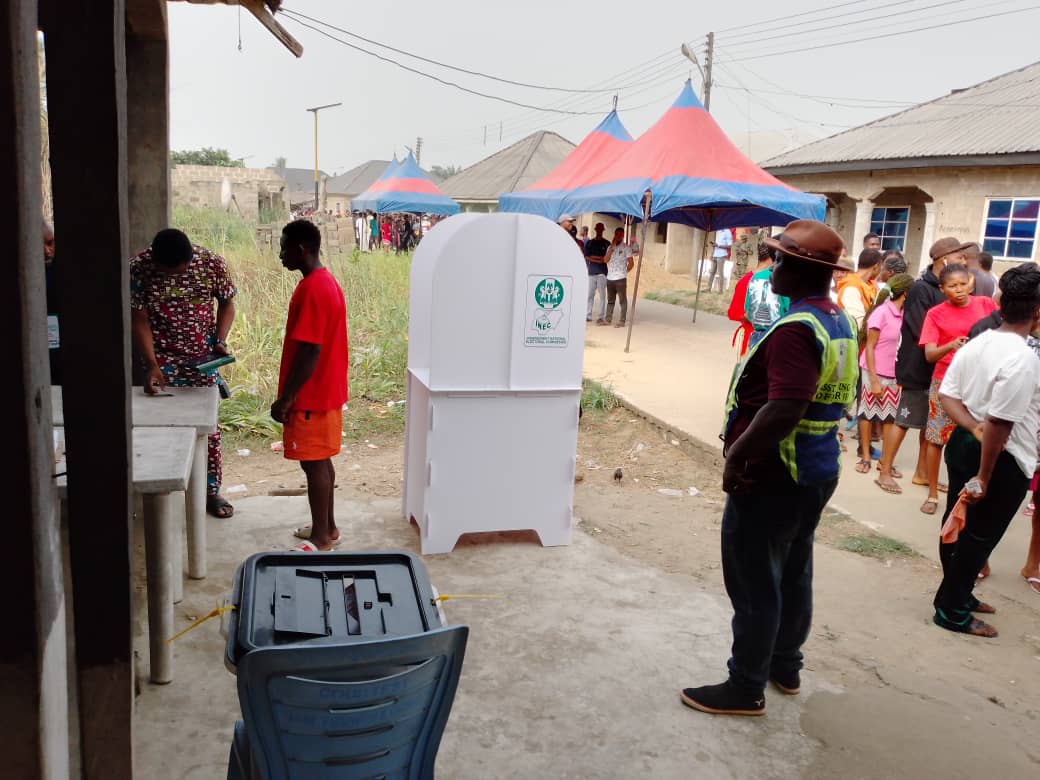
Power Dynamics in Kwara State Politics Explored
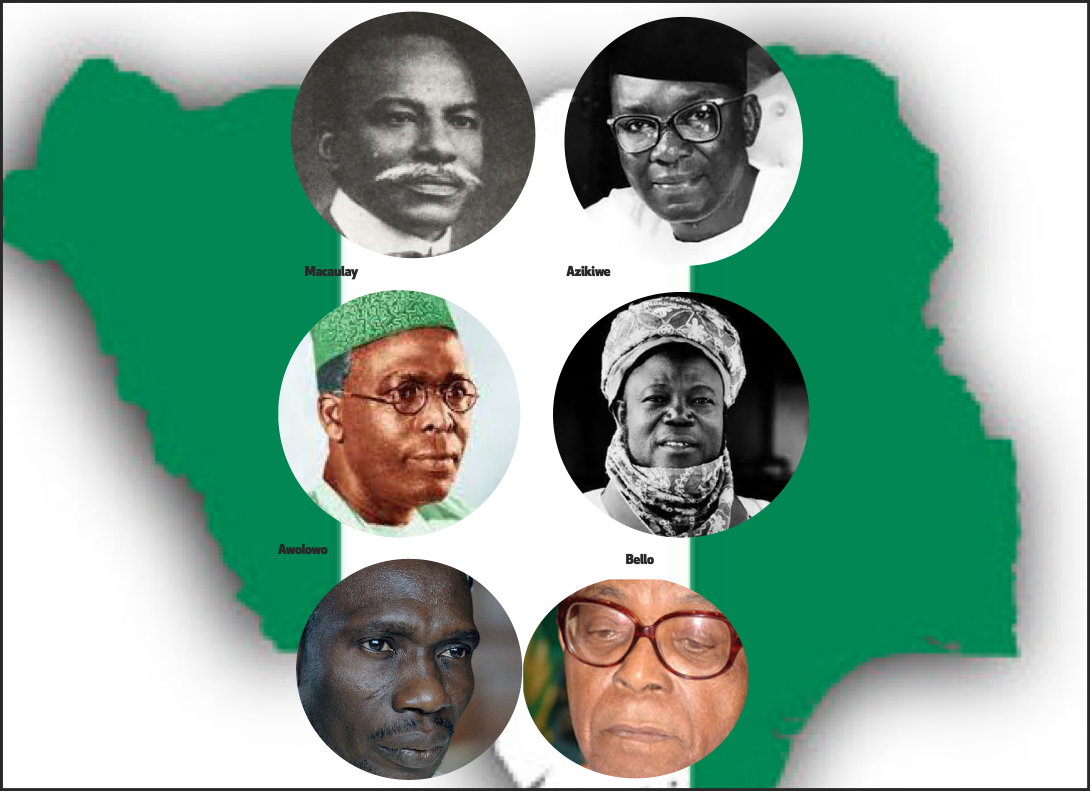
Nigerian Democracy: Two Years Post-Elections Analysis
Politics Impeding Nigeria's National Progress and Unity
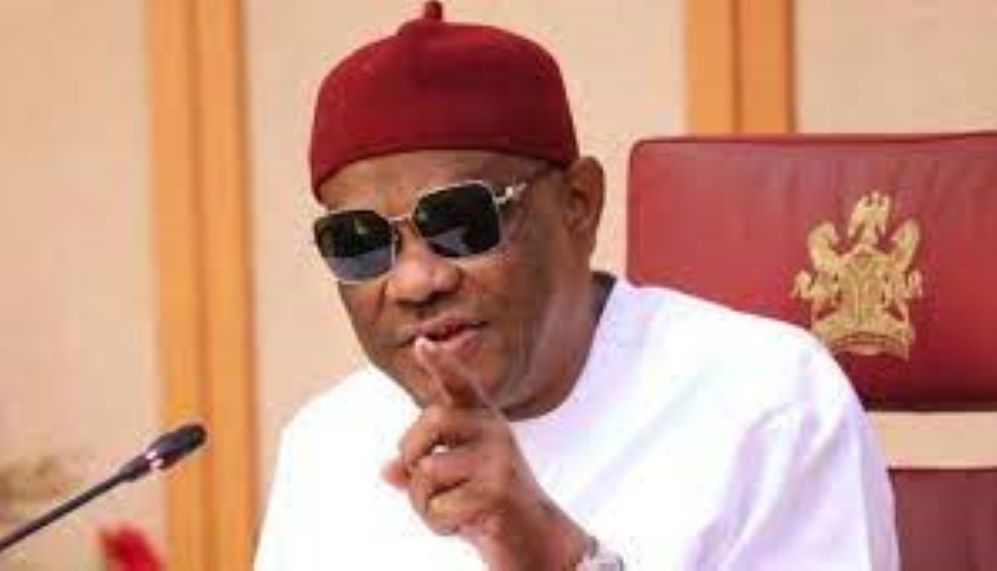
Analysis of Nyesom Wike's Political Influence and Leadership in Nigeria
Get Plus234Feed on messaging apps
Same headlines, delivered where you already scroll.


