

Nigeria's Political Landscape: Opposition Faces Challenges
Dakuku Peterside analyzes the political climate in Nigeria, noting that despite widespread public dissatisfaction with rising prices, insecurity, unemployment, and corruption, the governing party remains in power. He argues that political change occurs when public anger is organized and transformed into voter mobilization.
Currently, the opposition is not positioned to take advantage of the prevailing discontent. Peterside points out that the gap between government assurances and citizens' lived experiences is significant, particularly regarding security and economic conditions.
He stresses that while citizens face challenges such as terrorism, banditry, and economic hardship, the government's reassurances hold little value when basic safety and economic stability are not assured. The article concludes that without a clear connection between current struggles and future improvements, public patience may wear thin, leading to increased resentment.
Plus234Feed summary based on reporting from Premium Times. Read the original report below.
Read full article
Continue on Premium Times
Get the week in one email
Top stories, NPFL results, the naira — every Friday morning. Free, one email a week.
Related Stories

Nigeria's Political Landscape: Security and Accountability Issues
Opposition Faces Challenges Ahead of 2027 Elections
Nigeria's Political Crisis Deepens Ahead of 2027 Elections
Risks Loom Over Nigeria's 2027 Elections Despite Peace
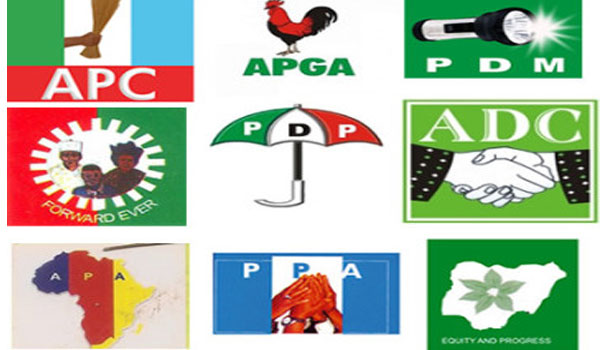
Opposition Disarray Ahead of Nigeria's 2027 Elections

Nigerian Politicians' Reckless Campaign Tactics Exposed
Get Plus234Feed on messaging apps
Same headlines, delivered where you already scroll.


