

Tinubu's Three-Year Reforms: Economic Impact in Nigeria

President Bola Ahmed Tinubu's administration is assessed on its impact after three years in office, focusing on reforms in Nigeria's economy, security, and governance. The administration has faced challenges such as economic instability, rising debt, and inflation.
A significant reform was the removal of fuel subsidies, which aimed to free government resources previously spent on subsidies, despite causing immediate increases in transport costs. The government has also unified multiple foreign exchange windows to eliminate market distortions and attract foreign investment.
Infrastructure development remains a priority, with ongoing road and railway projects across Nigeria's six geopolitical zones. The power sector has seen investments to enhance electricity transmission and distribution.
Additionally, the administration has improved tax collection mechanisms, resulting in increased government revenue, which is crucial for financing infrastructure and social programs. However, concerns about debt servicing costs and the need for broader economic diversification persist, with a renewed focus on agriculture and food security amid rising food prices.
Plus234Feed summary based on reporting from The Authority. Read the original report below.
Read full article
Continue on The Authority
Get the week in one email
Top stories, NPFL results, the naira — every Friday morning. Free, one email a week.
Related Stories
Tinubu's Administration Marks Three Years Amid Challenges
Tinubu's Economic Reforms Show Mixed Results, Says CPPE
Tinubu Addresses Economic Challenges in Anniversary Speech
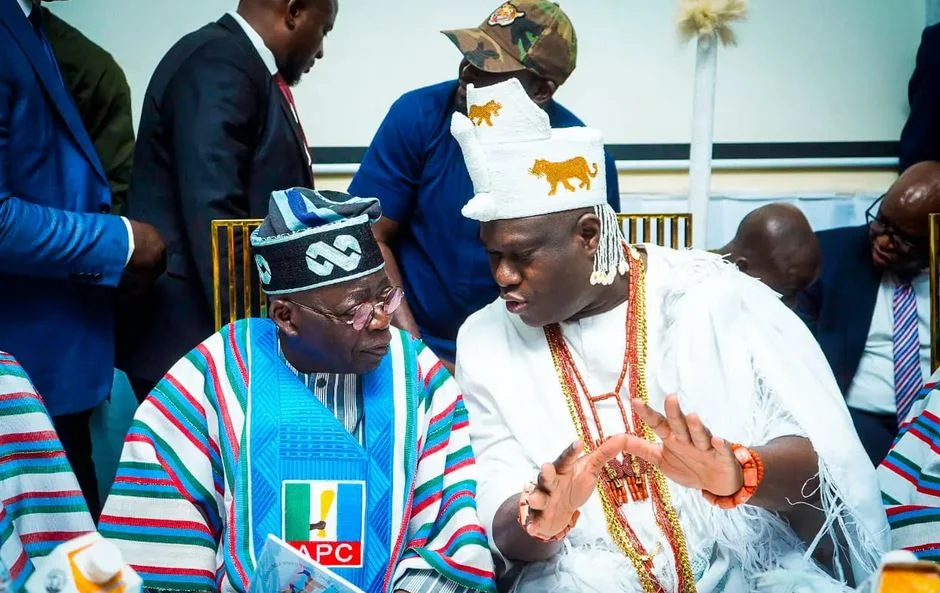
Ooni Praises Tinubu's Unprecedented Economic Reforms
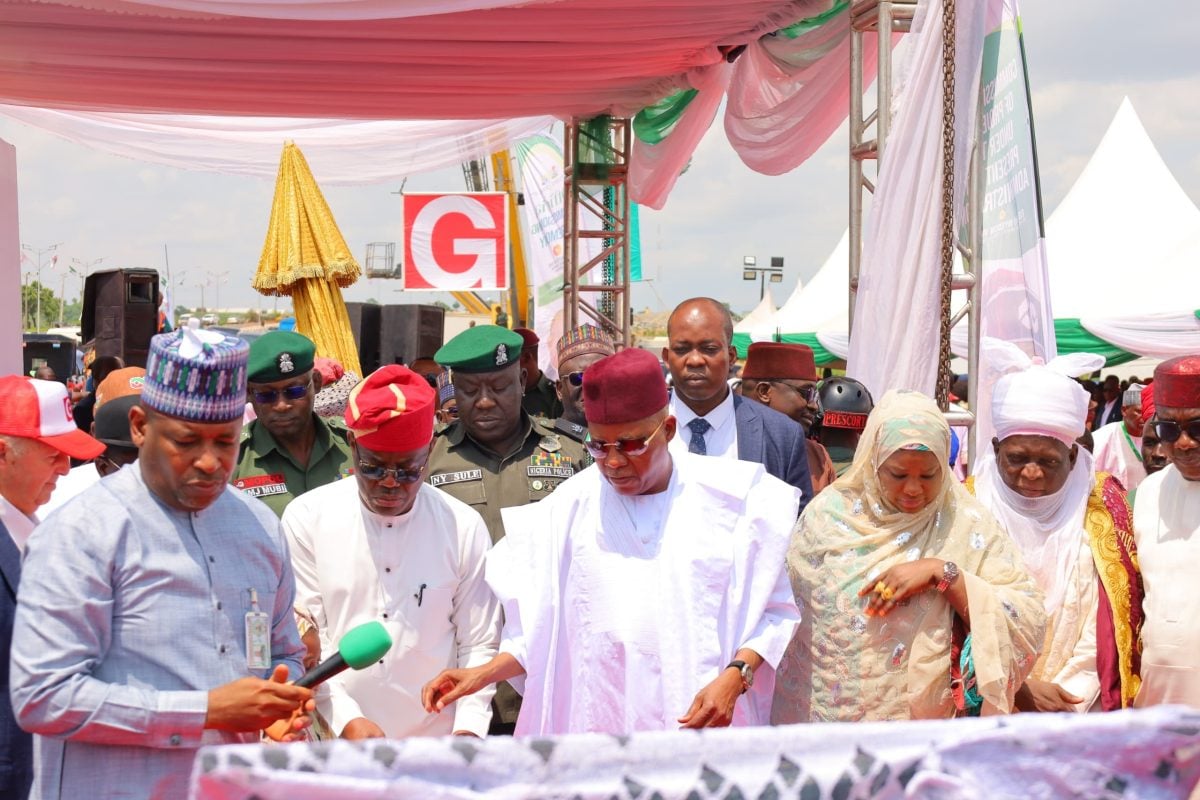
Tinubu Launches Kuje-Gwagwalada Dual Carriageway Project

Tinubu's Presidency Marked by Power Failures and Insecurity
Get Plus234Feed on messaging apps
Same headlines, delivered where you already scroll.


