

IMF: Tinubu's Reforms Boost Economy, Yet Poverty Soars

The International Monetary Fund (IMF) issued a statement on Tuesday following its annual review of Nigeria's economy, acknowledging that reforms implemented by President Bola Tinubu's administration over the past three years have strengthened economic resilience and delivered positive macroeconomic outcomes. Key reforms include the removal of long-standing fuel subsidies, liberalization of the foreign exchange market, and the introduction of tax reforms aimed at restructuring the economy.
Despite these improvements, the IMF warned that living conditions remain difficult, with 63% of Nigerians expected to live below the poverty line by the end of 2025, equating to approximately 27 million people experiencing food insecurity. The IMF's assessment aligns with a previous World Bank report indicating that poverty levels have risen since Tinubu assumed office in 2023.
Additionally, inflation reached 15.7% in April, attributed partly to rising fuel prices. The IMF projects Nigeria's economy to grow by 4.1% in 2026 and 4.0% in 2025, but cautions that rising food, fertilizer, and fuel prices could worsen inflationary pressures and deepen poverty if not managed properly.
Plus234Feed summary based on reporting from Politics Nigeria. Read the original report below.
Read full article
Continue on Politics Nigeria
Get the week in one email
Top stories, NPFL results, the naira — every Friday morning. Free, one email a week.
Related Stories
79% of Nigerians Remain Poor Despite Tinubu's Reforms
Tinubu Acknowledges Economic Struggles Amid Reforms
Tinubu's Economic Reforms Aim to Transform Nigeria
IMF Reports Rising Poverty Amid Nigeria's Economic Reforms

Ooni of Ife Praises Tinubu's Economic Reforms in Nigeria
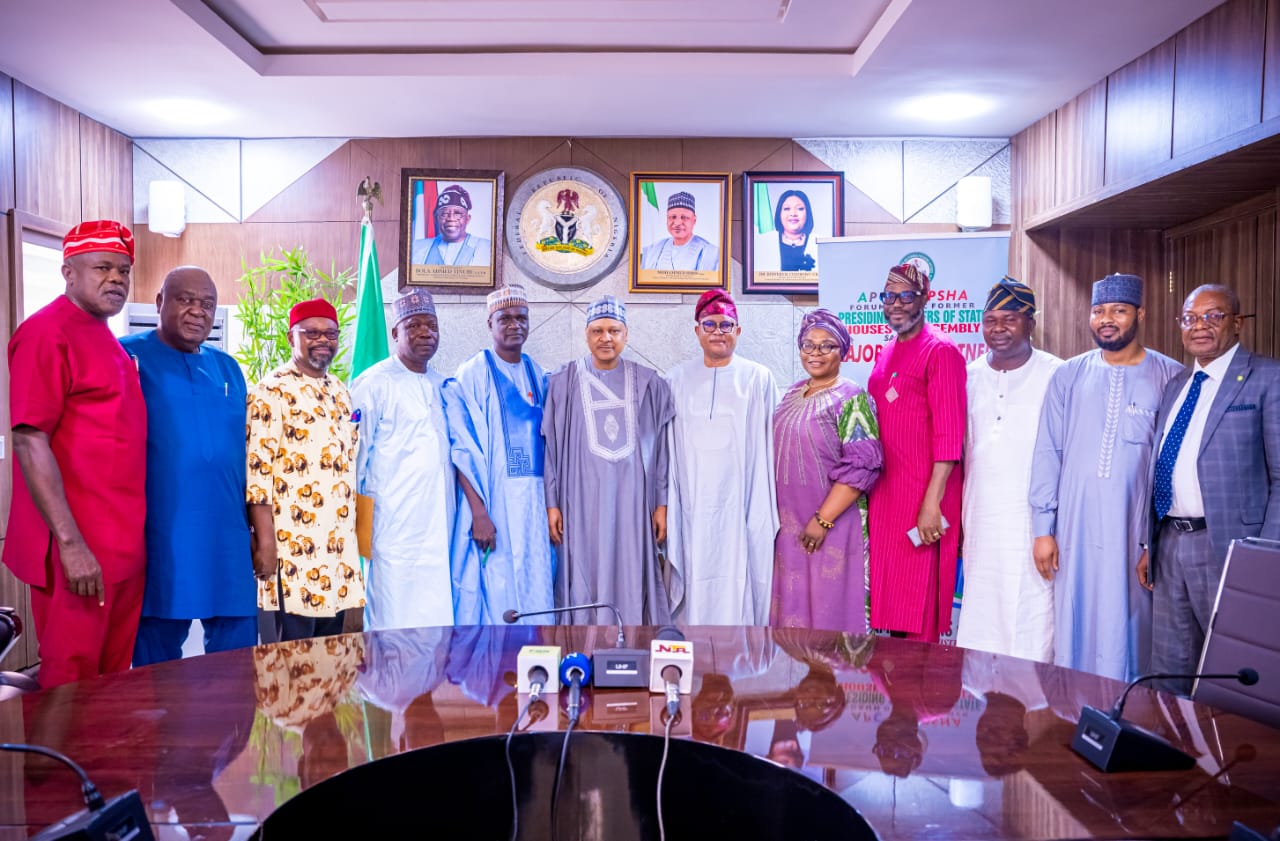
Tinubu's Reforms Set Nigeria on Path to Prosperity
Get Plus234Feed on messaging apps
Same headlines, delivered where you already scroll.


