

U.S. and Iran Fail to Reach Agreement After 21-Hour Talks

On April 12, 2020, U.S. and Iranian officials concluded 21 hours of negotiations in Islamabad without reaching an agreement, as confirmed by U.S. Vice President JD Vance.
The talks followed a two-week ceasefire agreement initiated on April 8, aimed at ending the ongoing conflict that began on February 28, disrupting global energy supplies. The U.S. delegation included Jared Kushner and Steve Witkoff, while the Iranian side was led by Parliament Speaker Mohammad Bagher Ghalibaf.
Despite the fragile nature of the ceasefire, which was threatened by heavy Israeli bombardments in Lebanon, the U.S. had warned of severe consequences if Iran did not return to negotiations. Key sticking points included Iran's nuclear program, with Vance declining to publicly disclose the core issues.
The conflict has already caused significant disruptions in global energy markets, with oil prices sharply dropping following the ceasefire announcement. Reports indicated that Dangote Refinery maintained its price structure in response to these developments.
Plus234Feed summary based on reporting from Nairametrics. Read the original report below.
Read full article
Continue on Nairametrics
Get the week in one email
Top stories, NPFL results, the naira — every Friday morning. Free, one email a week.
Related Stories
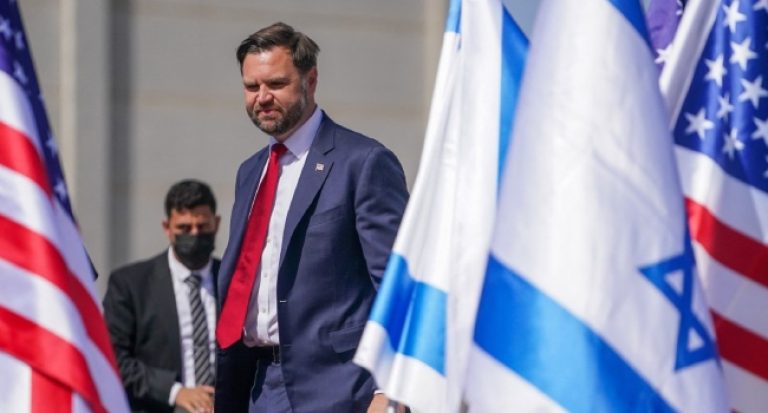
U.S. and Iran End 21-Hour Talks Without Agreement
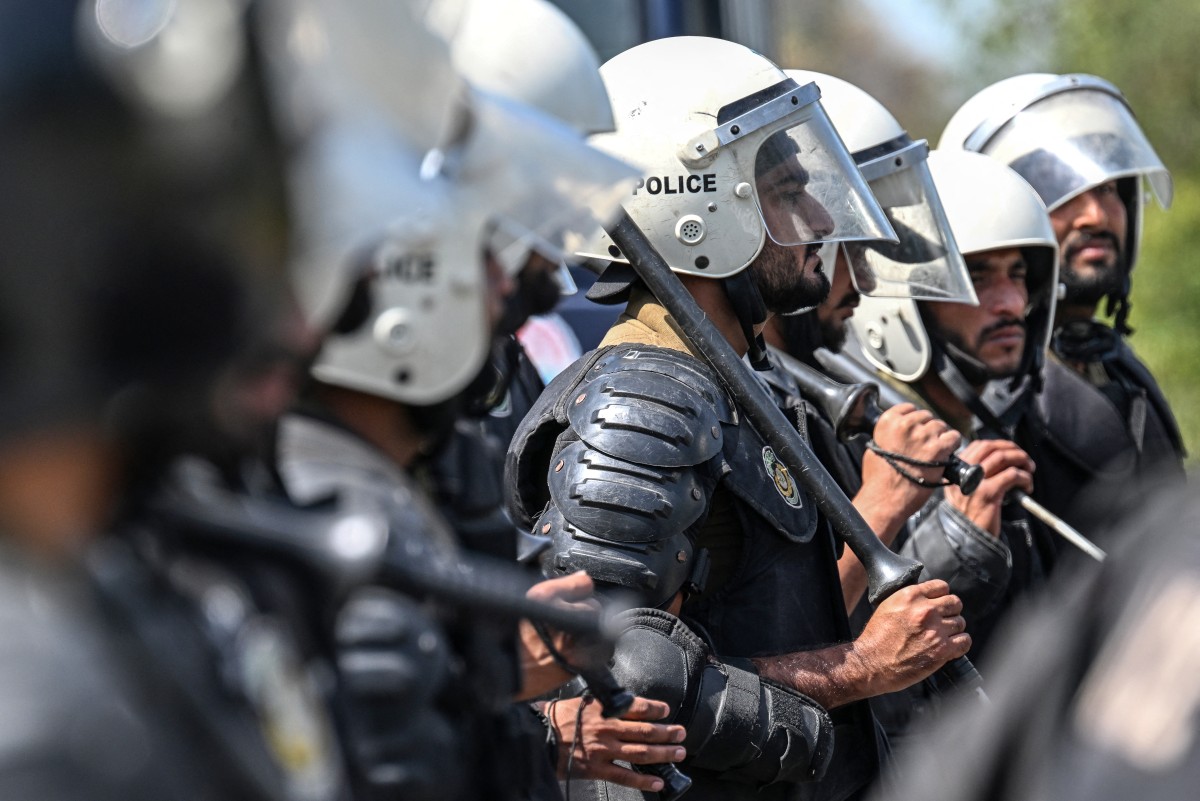
U.S.-Iran Talks in Islamabad Aim for Ceasefire Agreement
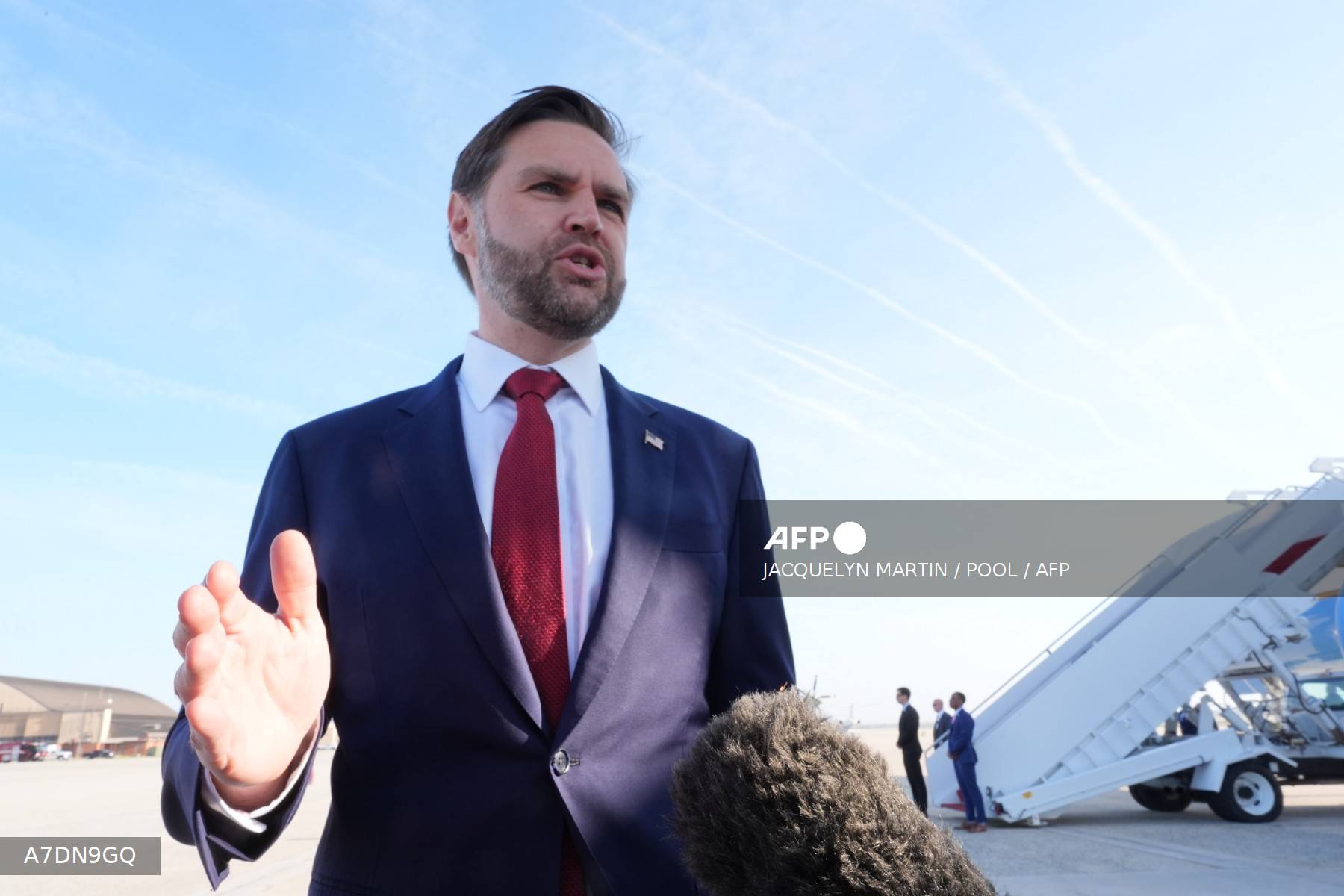
U.S.-Iran Talks in Islamabad End Without Agreement
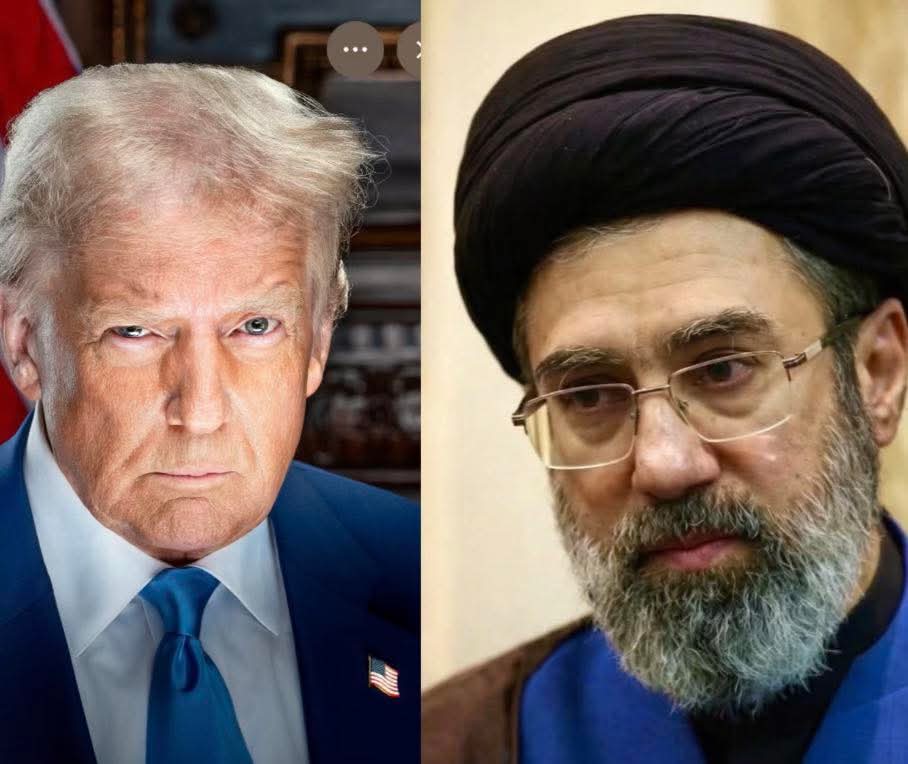
Pakistan Mediates US-Iran Ceasefire Amid Tensions
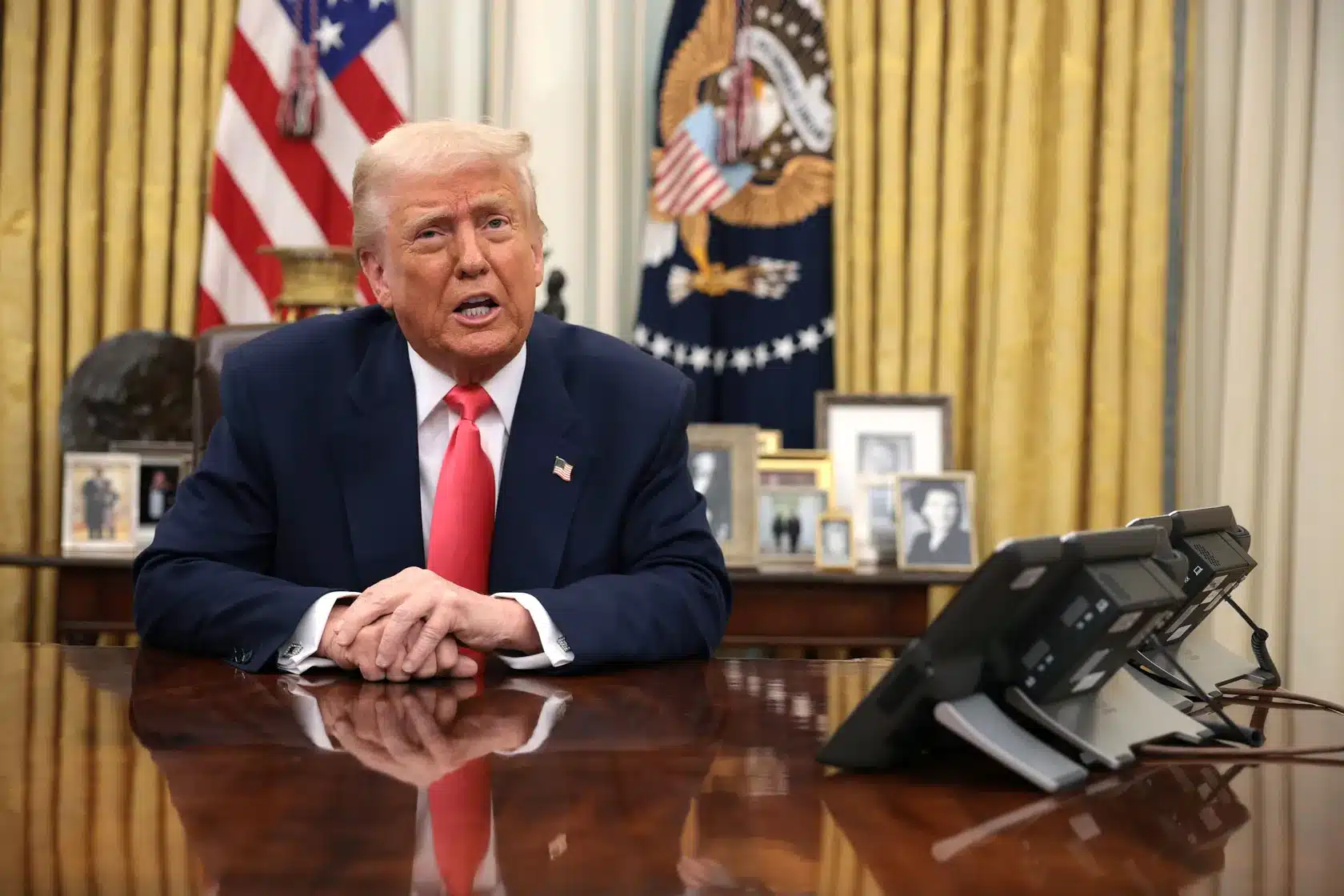
Trump Announces Two-Week Ceasefire with Iran
U.S. and Iran Hold First Direct Peace Talks Since 1979
Get Plus234Feed on messaging apps
Same headlines, delivered where you already scroll.


