

Nigeria's Health Reforms Aligned with Global Strategies
The seventy-ninth World Health Assembly concluded in Geneva on 23 May, emphasizing health as a critical aspect of economic policy, industrial development, national security, and social resilience. The Assembly adopted the WHO Strategy and made decisions that support sustainable financing and ethical recruitment.
Nigeria has integrated these principles into its health reforms, which include national ownership, coherent planning, and stronger primary healthcare. On 12 December 2023, President Bola Ahmed Tinubu launched the Nigeria Health Sector Renewal Investment Initiative, securing the Health Renewal Compact among the Federal Government, thirty-six states, the Federal Capital Territory, and development partners.
This initiative, implemented through the SWAp, aims to replace fragmented programs with coordinated priorities. Under the leadership of Coordinating Minister of Health and Social Welfare, Professor Muhammad Ali Pate, Nigeria's reform program is gaining traction, revitalizing over 4,100 primary healthcare centers, with more than 3,100 completed, enhancing access to essential health services.
Plus234Feed summary based on reporting from Premium Times. Read the original report below.
Read full article
Continue on Premium Times
Get the week in one email
Top stories, NPFL results, the naira — every Friday morning. Free, one email a week.
Related Stories
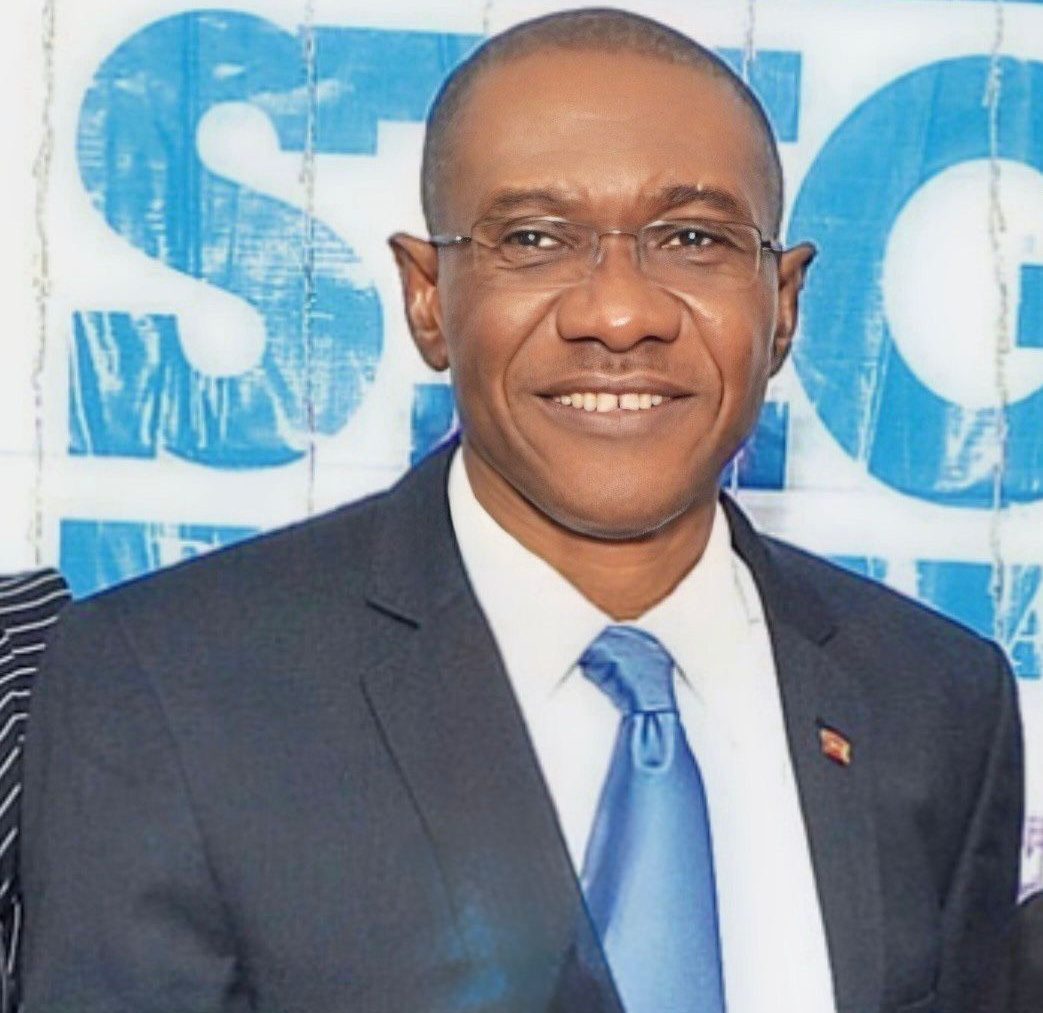
Tinubu Launches Health Sector Reform Initiative in Nigeria

Nigeria's Primary Healthcare Reforms Show Promising Signs
Nigeria's Healthcare Reform: Progress and Challenges
Nigeria's Health Sector Faces Challenges After 27 Years
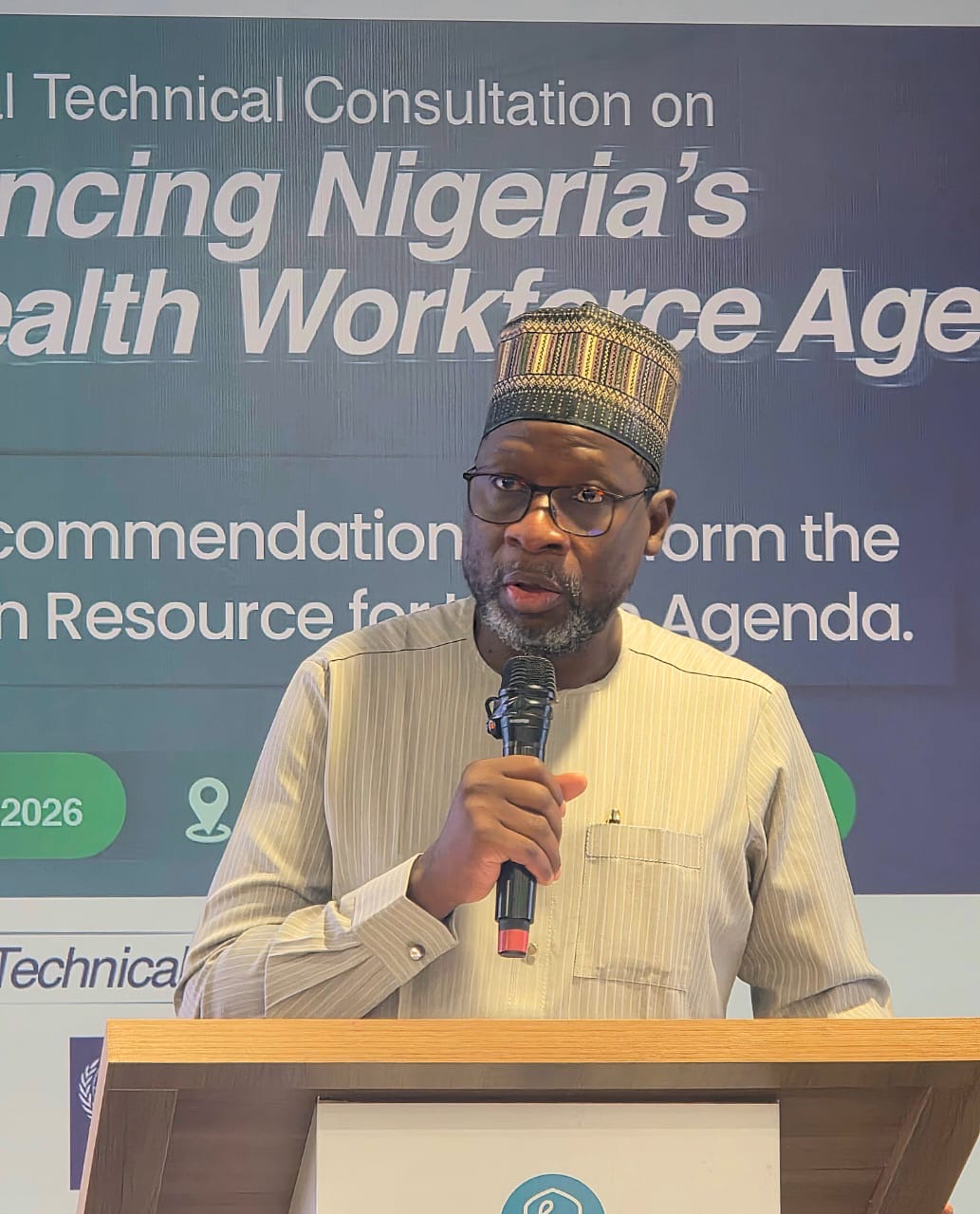
Urgent Reforms Needed for Nigeria's Primary Healthcare System
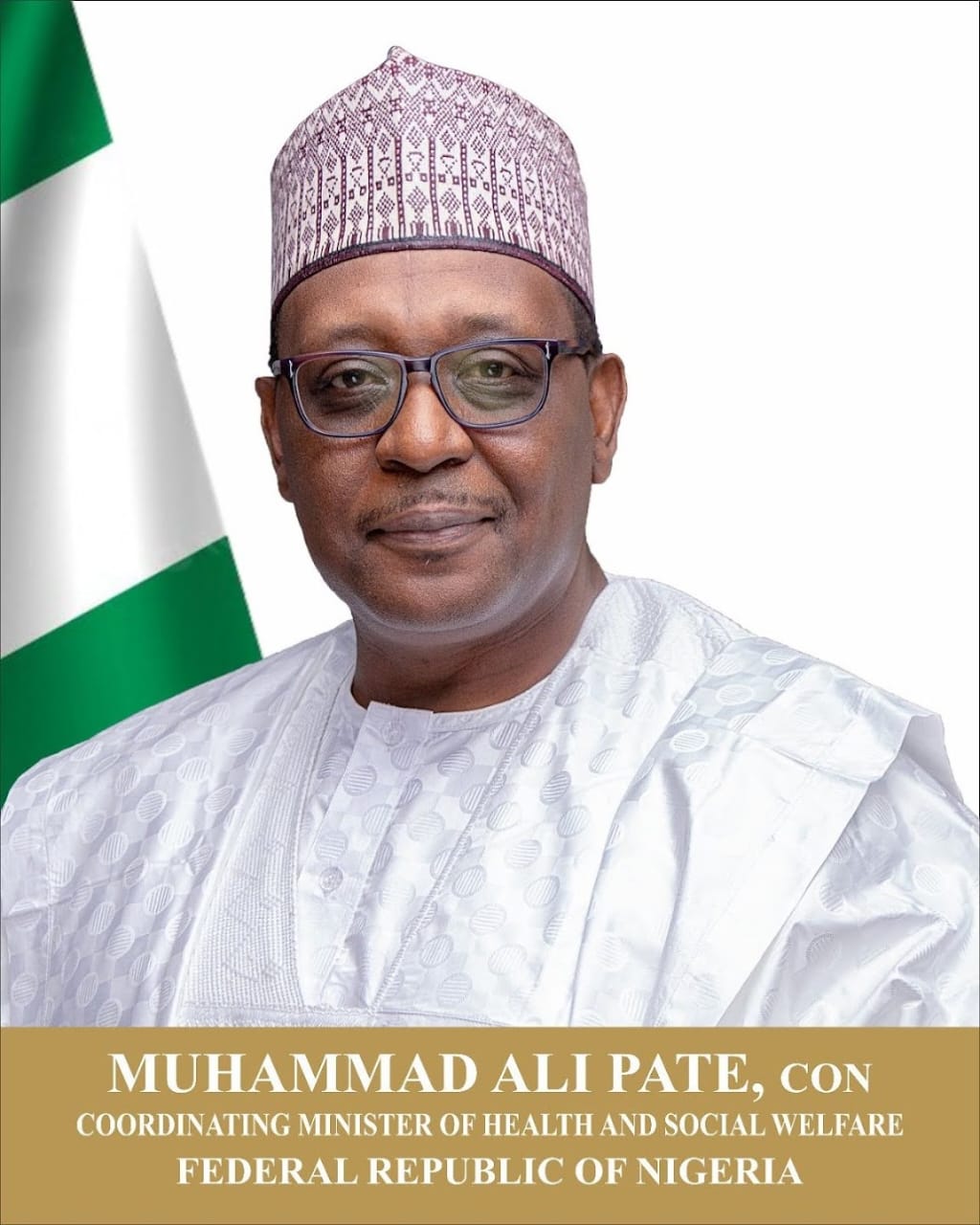
Nigeria's Health Sector Reform: 37,000 Workers to be Recruited
Get Plus234Feed on messaging apps
Same headlines, delivered where you already scroll.


