

Challenges and Progress: Nigerian Women's Struggle for Political Representation
The article delves into the underrepresentation of Nigerian women in politics since the country's return to civilian rule in 1999. Despite being a significant voting bloc, women's participation in elected positions remains low and uneven.
While some progress has been made, such as a modest increase in female legislators in 2015, subsequent elections have seen a decline in women's representation. Deep-rooted structural barriers, including financial constraints, violence, and gender norms, hinder women's access to political power.
Notable female politicians like Oluremi Tinubu and Ireti Kingibe have managed to break barriers and secure elected offices, but challenges persist. The article emphasizes the need for constitutional and legal reforms to address the gender imbalance in political representation in Nigeria.
Plus234Feed summary based on reporting from Daily Trust. Read the original report below.
Read full article
Continue on Daily Trust
Get the week in one email
Top stories, NPFL results, the naira — every Friday morning. Free, one email a week.
Related Stories
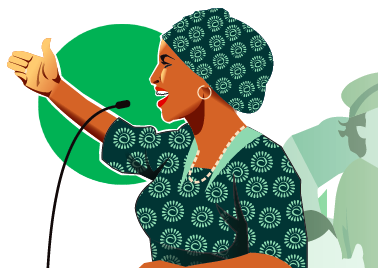
Nigeria's Women: Underrepresented in Politics and Power
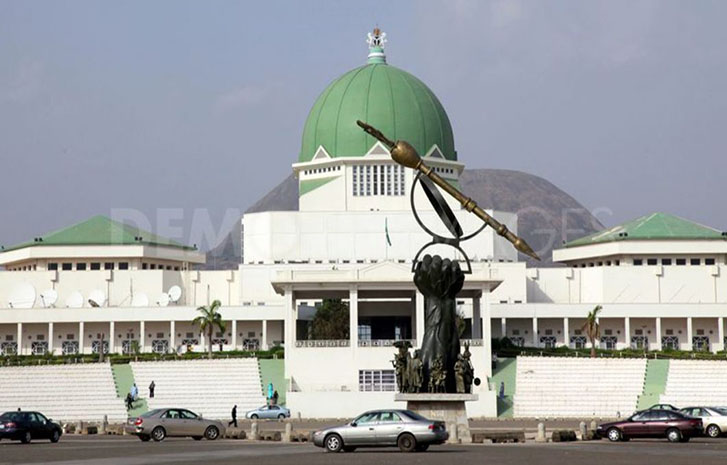
Women Push for Reserved Seats in Nigerian Legislature
Understanding the Barriers Women Face in Politics
Nigeria's Gender Equity Challenge: Women's Representation in Leadership Still Low
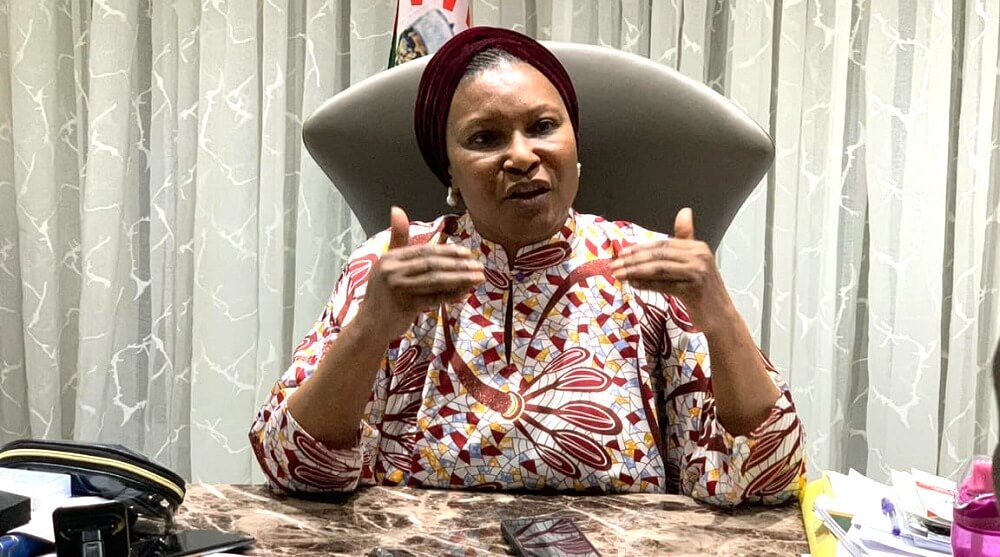
Kingibe: Nigerian Politics Remains Hostile to Women
Labour Party Calls for Women's Representation in Governance
Get Plus234Feed on messaging apps
Same headlines, delivered where you already scroll.


