

Tinubu's Executive Order 9 on Oil Revenue Explained

President Bola Tinubu signed Executive Order 9 (EO9) to enforce constitutional provisions related to oil and gas revenue management, aiming to safeguard public revenue rather than usurp legislative power. The order directs that royalties, oil taxes, and profits from oil and gas revenues be paid directly into federal accounts, scrapping a 30% frontier exploration fund established under the Petroleum Industry Act (PIA).
This move has been met with criticism, particularly from the Petroleum and Natural Gas Senior Staff Association of Nigeria (PENGASSAN), which argues that it undermines the PIA and investor confidence in the sector. Tinubu's administration, represented by spokesperson Bayo Onanuga, maintains that EO9 does not create new laws but enforces existing constitutional provisions, specifically citing Section 80(1) of the 1999 Constitution.
The presidency emphasizes that the order aims to enhance transparency and accountability in revenue collection and distribution.
Plus234Feed summary based on reporting from Blueprint. Read the original report below.
Read full article
Continue on Blueprint
Get the week in one email
Top stories, NPFL results, the naira — every Friday morning. Free, one email a week.
Related Stories

Tinubu's EO9 on Oil Revenue Defended by Presidency

Pinheiro Supports Tinubu's Oil Revenue Executive Order
Tinubu Mandates Direct Remittance of Oil Revenues
FG Defends Executive Order on Oil Revenue Remittances
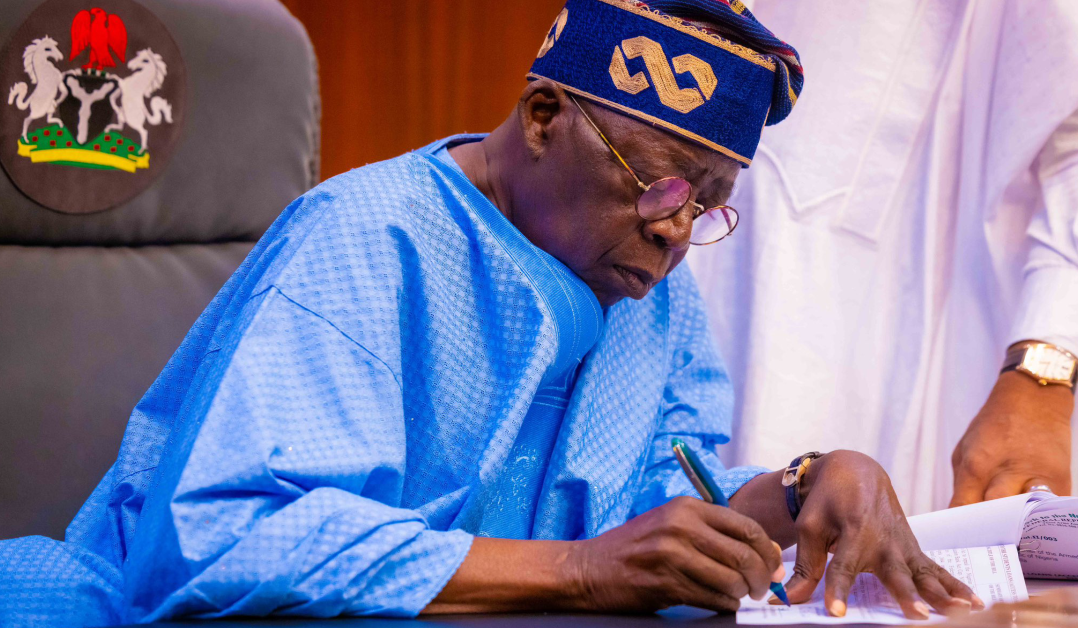
Tinubu Signs Order for Direct Oil Revenue Remittance

Tinubu Signs Executive Order to Boost Oil Revenue Transparency
Get Plus234Feed on messaging apps
Same headlines, delivered where you already scroll.


