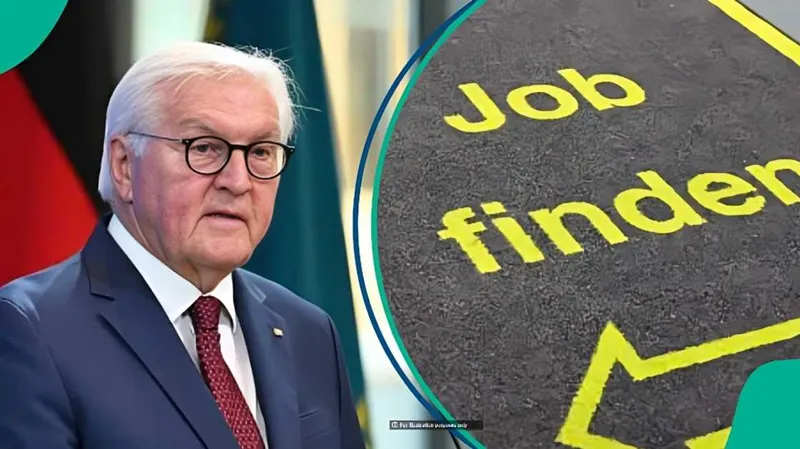
Germany has published a list of 44 countries whose citizens can enter without a visa. The list primarily includes European nations and specifies a 90-day limit for short stays, which is not continuous and applies within a rolling 180-day period.
Germany has established a permanent ban on granting citizenship to foreigners convicted of antisemitic, racist, or xenophobic crimes, regardless of the severity of the sentence. Applicants must also demonstrate financial self-sufficiency to qualify for naturalisation.
Germany has launched an online portal for long-stay visa applications, allowing applicants to submit forms and documents digitally. This service is available for student visas, EU Blue Cards, vocational training visas, and family reunification visas, effective from October 14, 2026.
The German Embassy has issued a warning to Nigerians regarding misinformation from visa agents about the Consular Services Portal, clarifying that it is only available for certain long-stay visa applications and not for all visa categories.
Germany's Federal Police announced that non-German nationals can apply for general roles within the force, while civil servant positions require German or EU/EEA citizenship. A full list of eligible countries was provided, emphasizing the distinction in citizenship requirements.
Germany has announced five categories of foreigners eligible for a free Schengen visa, including children under six, students, representatives of non-profits, researchers, and travelers needing to replace a valid visa in a new passport.
Germany has abolished the requirement for individuals born in the country to choose between their German citizenship and any other nationality. This reform allows dual nationality for those born in Germany, eliminating the previous obligation to renounce one citizenship upon reaching adulthood.
Germany has established two requirements for children seeking family reunification visas: they must be under 18 and not have been married, divorced, or widowed. Applications can be submitted online or in person at German embassies.
Germany has identified four groups eligible for citizenship through a declaration, as per the Fourth Act Amending the Nationality Act, effective August 20, 2021. This provision addresses historical gender discrimination in citizenship laws.
Germany has released a list of 11 shortage occupations eligible for an EU Blue Card with a lower salary requirement of €45,934.20, facilitating easier immigration for skilled workers in fields like healthcare and education.
Germany has announced seven visa categories that do not require applicants to demonstrate German language skills, facilitating relocation for foreign nationals. This includes work visas for qualified professionals, self-employment, and research, among others.
Germany has defined two categories of foreigners eligible for skilled worker residence permits, targeting individuals with academic degrees or vocational training. Applicants must meet additional requirements under Sections 18a and 18b of the Residence Act.
Germany allows spouses of EU citizens to live and work freely in the country without needing a residence permit, as confirmed by the German government. This policy applies to citizens of all EU member states and four EFTA member states.
Germany has announced visa fee waivers for specific family members of German citizens and EU/EEA nationals, including spouses, registered partners, minor children, and parents of minors. Additional waivers apply to various applicants, including students and researchers.
Germany has introduced a new immigration pathway allowing IT specialists without a university degree to obtain an EU Blue Card by demonstrating three years of relevant professional experience, marking a significant shift in its skilled immigration policy.
The German Consulate General has outlined four verification methods for family reunification visa applications from Nigerians, including document verification, spousal interviews, DNA analysis, and age assessment. Applicants bear the financial responsibility for these procedures.
Germany has issued a reminder that holders of Schengen visas must adhere to the declared purpose of their visa upon entry, specifically stating that a tourist visa does not permit work. This guidance is particularly relevant for Nigerian travelers.
Germany has announced that non-EU nationals can sign conditional employment contracts before obtaining a visa, easing the process for foreign workers. The contracts will only take effect once the visa is issued, addressing previous bureaucratic hurdles.
Germany has outlined the family members that non-EU citizens can bring to live with them, including spouses, children under 16, and others under specific conditions. The process requires obtaining a visa and a residence permit for family reunification.
Germany has established conditions for foreign babies born in the country to obtain citizenship. Key requirements include a parent being lawfully resident for five years and holding a permanent right of residence at the time of birth.
Legit.ng
Official Germany links (application portals, fees, appointments) are being verified one by one and will appear on this page.
Plus234Feed is not affiliated with any government, embassy, or consular service.