

Nigeria's Political Crisis: Lack of Ideology in Parties

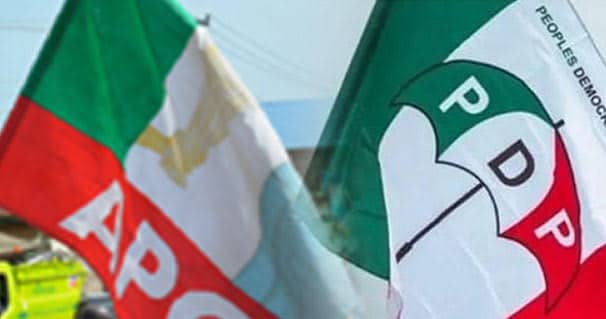
The article highlights a critical issue in Nigeria's political environment, focusing on the lack of a clear ideological foundation among political parties. It notes that the current political system, exemplified by President Bola Ahmed Tinubu's administration, resembles a party state where parties merely serve as vehicles for individual ambitions rather than platforms for coherent ideologies.
The text argues that this absence of ideological commitment results in a clientelist political culture, where party affiliation is fluid and often dictated by personal interests rather than principled beliefs. The article critiques the tendency of politicians to defect from one party to another without a genuine ideological shift, suggesting that this undermines the trust of the electorate.
It calls for a political culture that prioritizes enduring principles over transient electoral cycles, emphasizing the need for parties to represent coherent sets of ideas that resonate with the populace.
Plus234Feed summary based on reporting from This Day. Read the original report below.
Read full article
Continue on This Day
Get the week in one email
Top stories, NPFL results, the naira — every Friday morning. Free, one email a week.
Related Stories
Nigeria's Political Crisis: Fragmentation and Instability
Political Defections Disrupt Governance in Nigeria

Nigeria's Drift Towards One-Party State Concerns Analyst

Analyzing Coalition Governance in Nigeria's Politics
Nigeria's Opposition Parties: A Struggle for Survival

Nigeria's Political Parties Face Challenges Ahead of 2027
Get Plus234Feed on messaging apps
Same headlines, delivered where you already scroll.


