

Analyzing Coalition Governance in Nigeria's Politics

The article by Prince Charl Dickson examines the complexities of coalition governance in Nigeria, arguing against the perception of a 'One-Party Drift'. It highlights the historical significance of the All Progressives Congress (APC) since its formation in 2013, marking a pivotal moment in Nigerian politics with the voluntary merger of opposition forces.
This merger led to the APC's electoral success in 2015, which represented a decisive shift away from dominant party rule. Dickson critiques the current political landscape, asserting that the perceived weakness of opposition parties stems from internal organizational deficiencies rather than systemic repression.
He emphasizes the importance of effective policy articulation and coalition-building in a competitive federal structure. The article also touches on the economic implications of governance, suggesting that tangible outcomes such as macroeconomic stability and infrastructure development are essential benchmarks for evaluating contemporary governance in Nigeria.
Plus234Feed summary based on reporting from Blueprint. Read the original report below.
Read full article
Continue on Blueprint
Get the week in one email
Top stories, NPFL results, the naira — every Friday morning. Free, one email a week.
Related Stories

Nigeria's Drift Towards One-Party State Concerns Analyst

David Mark Warns Nigeria Drifting Towards One-Party Rule

Risks of a One-Party State in Nigeria's Democracy

Adebayo Warns Nigeria Drifting Towards One-Man Rule

Edeze Affirms Nigeria's Multi-Party Democracy Ahead of 2027
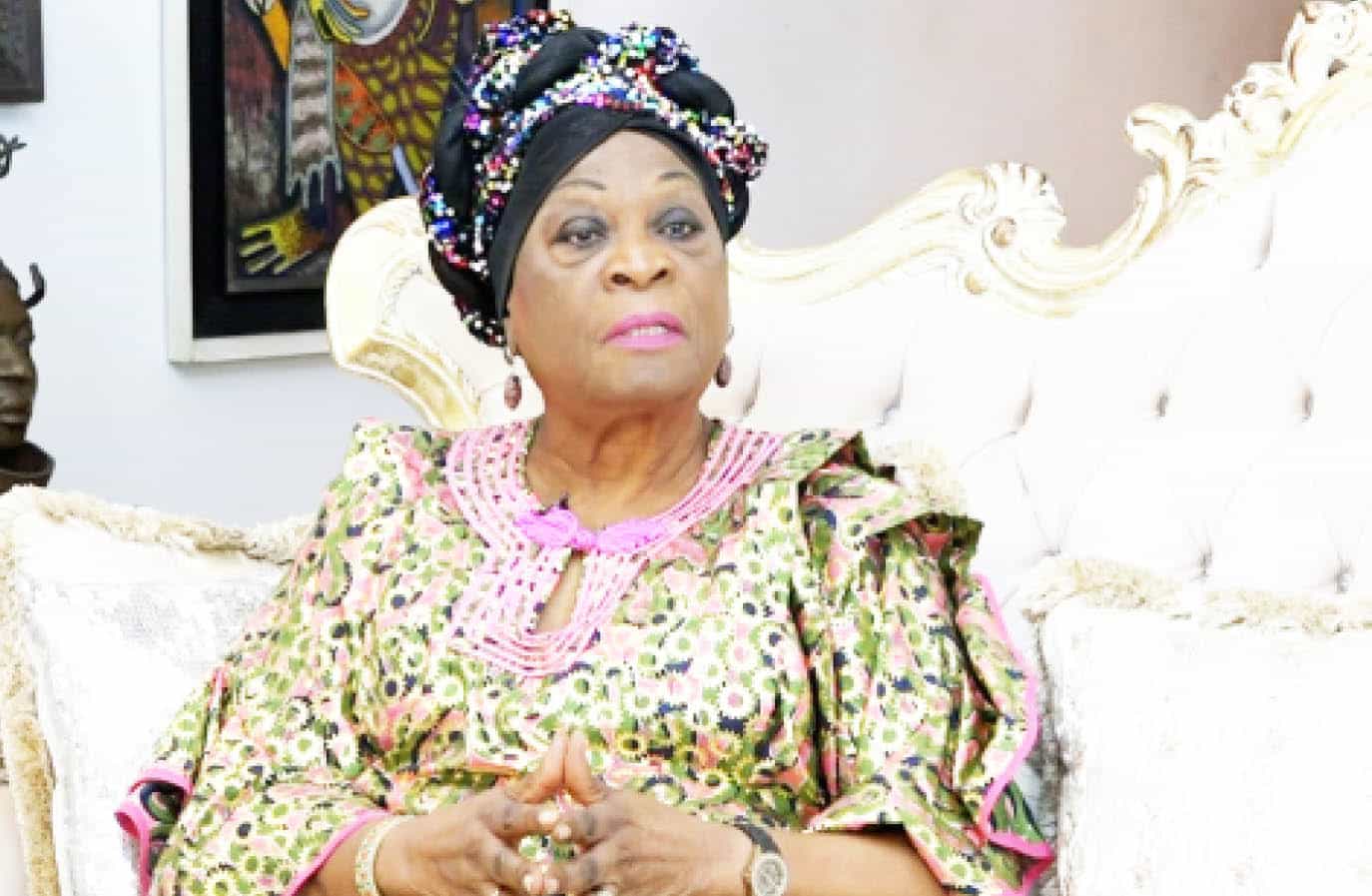
Bucknor-Akerele Accuses APC of One-Party State Agenda
Get Plus234Feed on messaging apps
Same headlines, delivered where you already scroll.


