

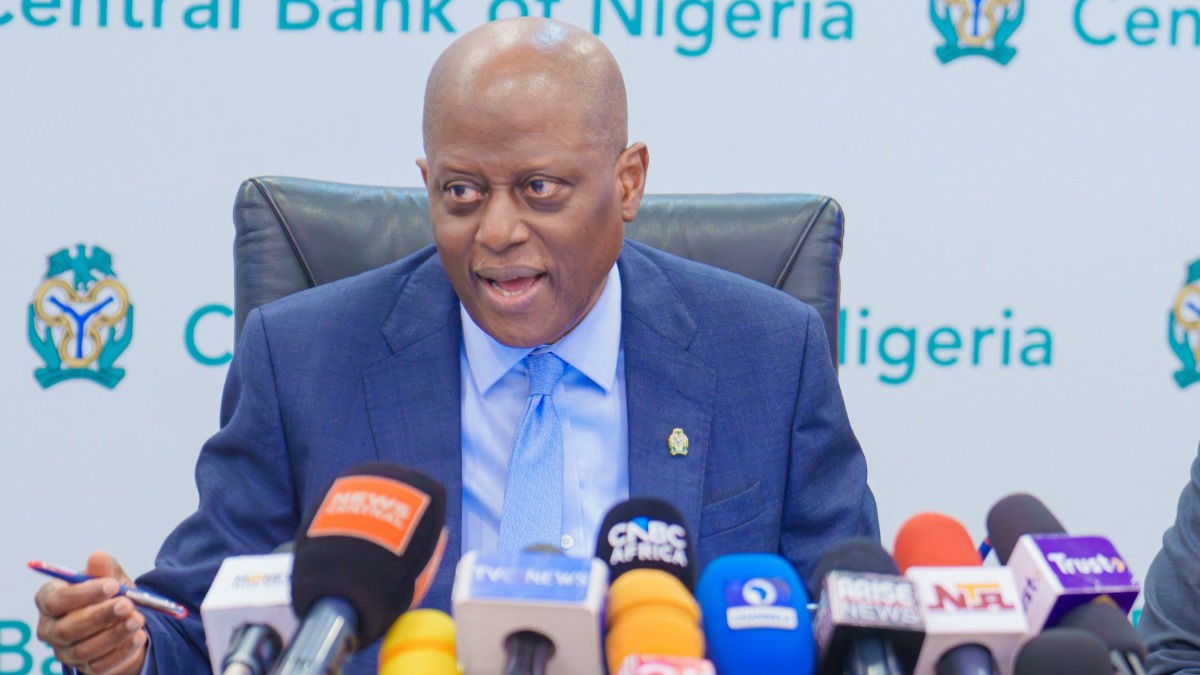
CBN's Olayemi Cardoso Implements Key Monetary Reforms

Olayemi Cardoso took charge of the Central Bank of Nigeria on September 22, 2023, amid significant economic challenges, including a headline inflation rate of 26.72%, a Monetary Policy Rate (MPR) of 18.75%, and gross external reserves of approximately $33.2 billion. The CBN faced over $7 billion in unsettled foreign exchange obligations and limited liquidity affecting businesses' access to foreign currency.
Cardoso's strategy involved a return to conventional central banking, scaling back development financing, tightening monetary conditions, and raising capital requirements for banks. By October 2026, reserves had risen above $55 billion, and the foreign exchange market had become more transparent.
However, high interest rates persisted, and the naira remained weaker than in 2023. Cardoso emphasized the importance of price stability in monetary policy, moving away from the previous administration's extensive sector financing.
The Monetary Policy Committee (MPC) raised the MPR multiple times, reaching 27.50% in November 2024, before beginning to reduce it in September 2025.
Plus234Feed summary based on reporting from Punch Newspapers. Read the original report below.
Read full article
Continue on Punch Newspapers
Get the week in one email
Top stories, NPFL results, the naira — every Friday morning. Free, one email a week.
Related Stories
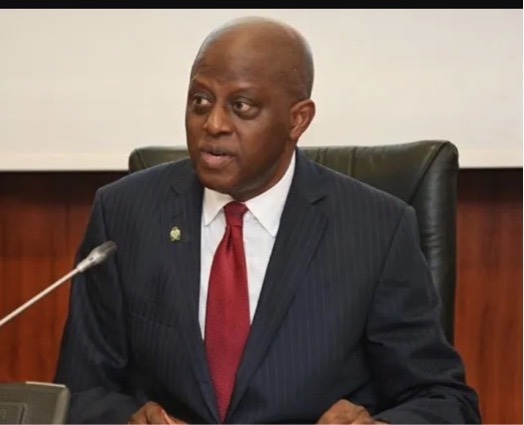
CBN Reforms Under Olayemi Cardoso: A New Economic Direction
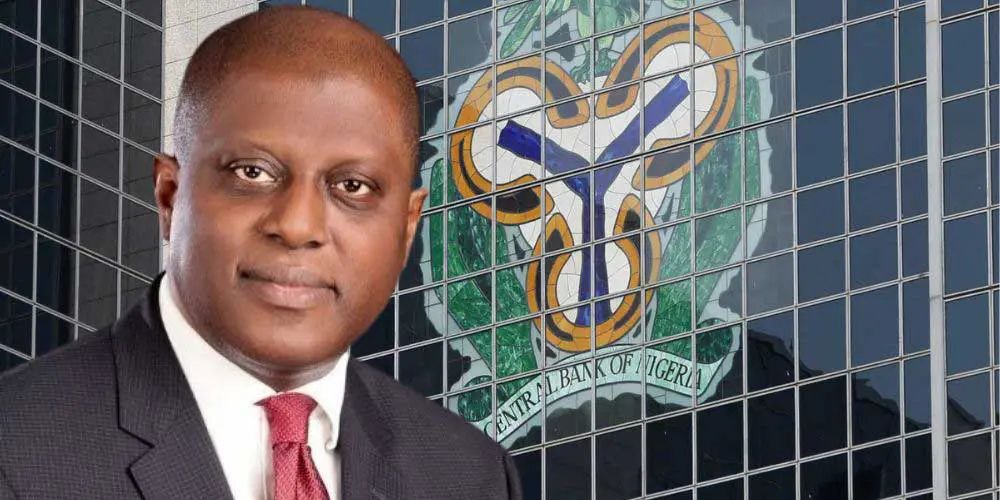
CBN's Godwin Emefiele Transforms Nigeria's Forex Market
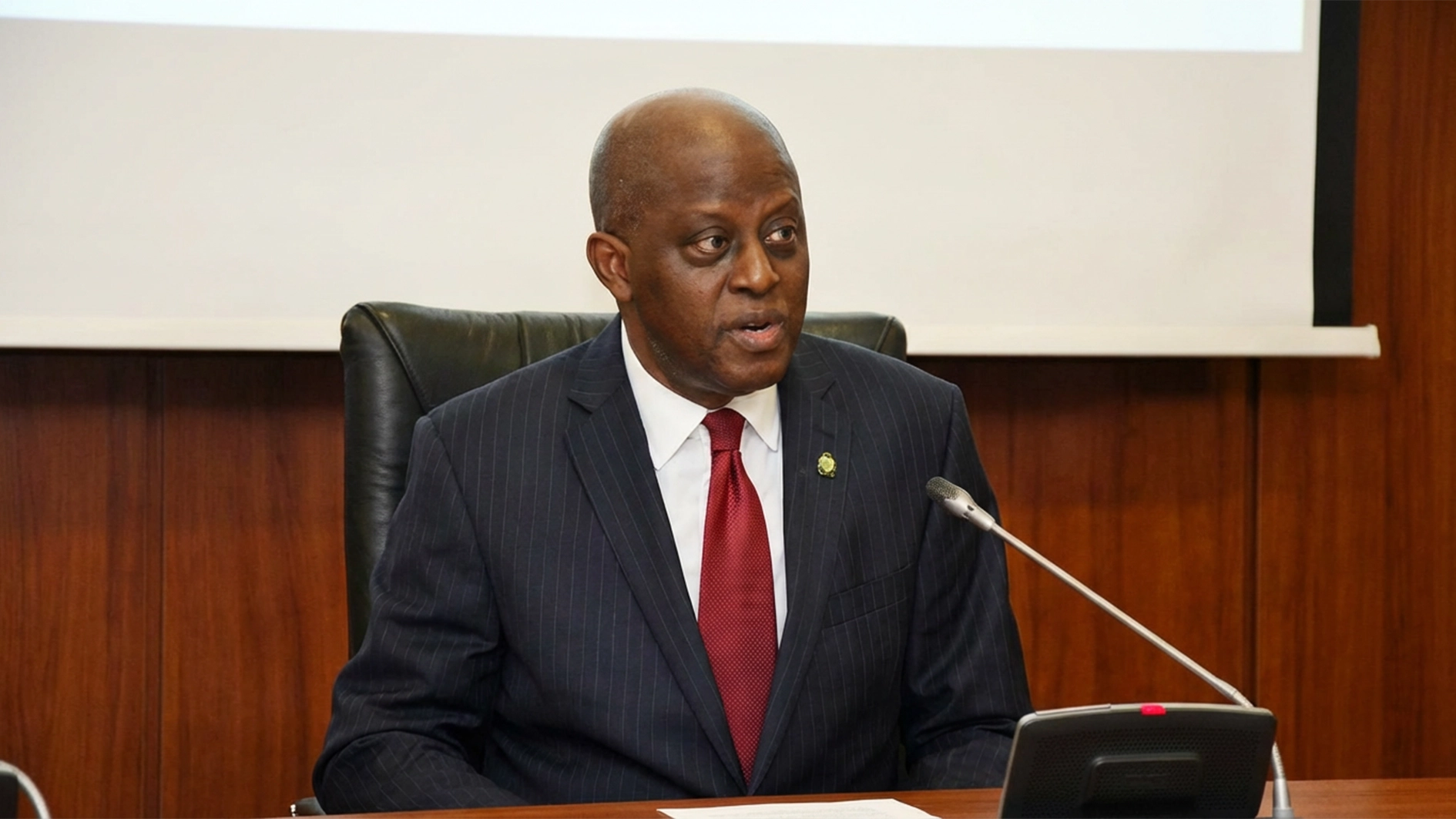
CBN Assures Nigerians of Economic Benefits Ahead
Cardoso's Three-Year Tenure Boosts Nigeria's Reserves
CBN and Federal Government Formalize Policy Coordination

CBN Governor Olayemi Cardoso Celebrates Three Years in Office
Get Plus234Feed on messaging apps
Same headlines, delivered where you already scroll.


