

CBN Reforms Under Olayemi Cardoso: A New Economic Direction

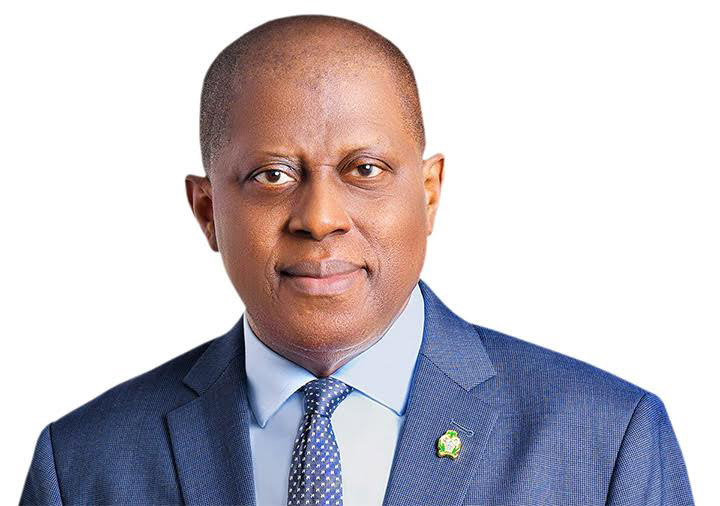
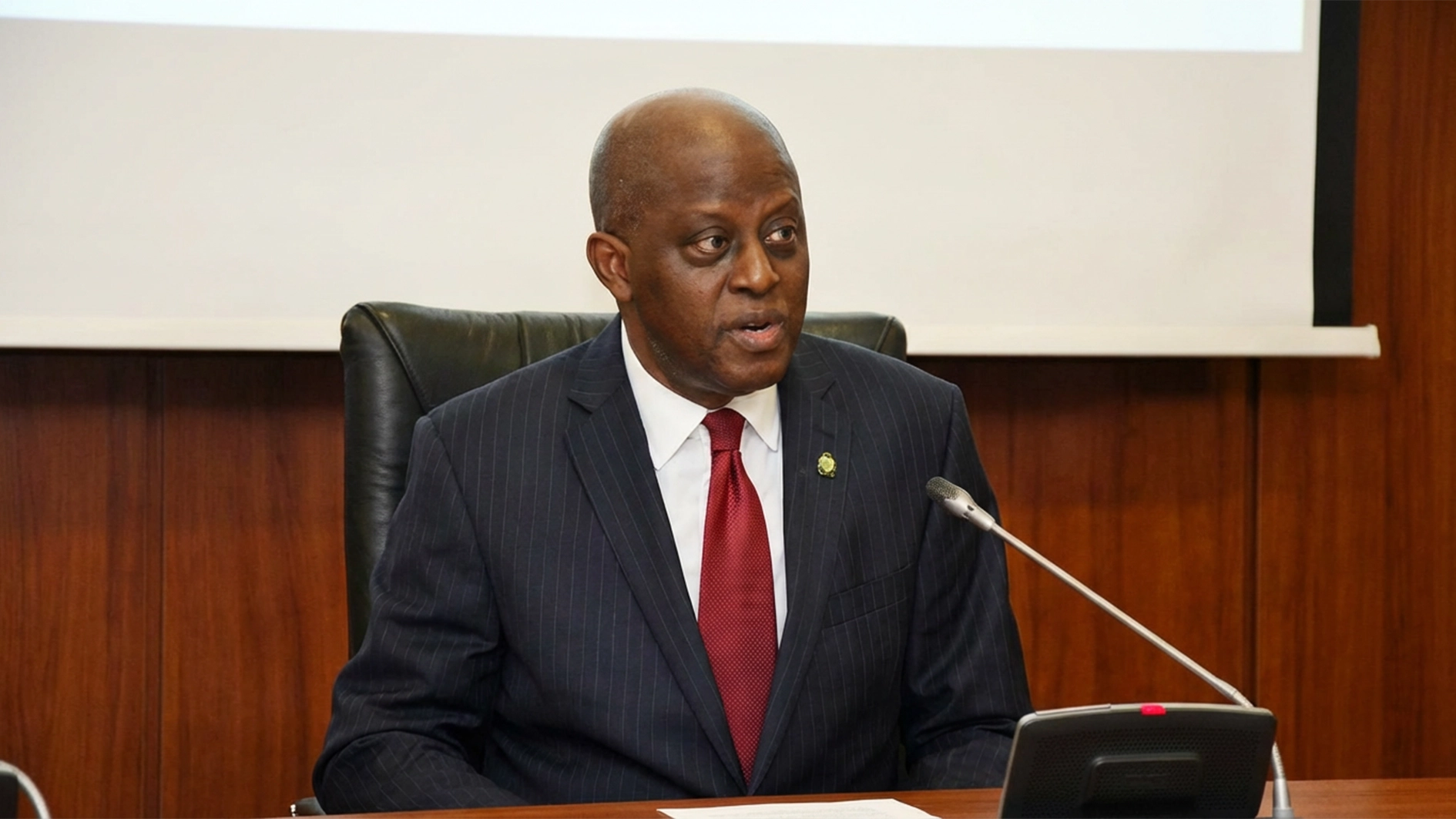
The Central Bank of Nigeria (CBN), led by Olayemi Cardoso, has been undergoing reforms for three years, aimed at enhancing transparency and accountability. Analysts have observed these changes with both scrutiny and optimism.
Recent discussions regarding the CBN’s 2025 financial statements have raised concerns about disclosure and comparability, particularly due to a shift from the IFRS-based framework to a new financial reporting manual effective from January 1, 2025. The auditors issued an unmodified opinion with an emphasis on Section 38 of the CBN Act, clarifying that the changes in reporting do not imply deception.
The CBN has moved away from a legacy system characterized by volatility and ad hoc interventions to a more stable economic foundation. Key reforms include maintaining the benchmark interest rate at 26.5% and achieving a decrease in headline inflation to 15.43%.
Additionally, the CBN has exited quasi-fiscal financing and limited direct developmental lending, including the Anchor Borrowers Scheme.
Plus234Feed summary based on reporting from This Day. Read the original report below.
Read full article
Continue on This Day
Enjoy this article?
Get the weekly Nigerian roundup — top stories, NPFL, naira. One email, Sunday morning.
Related Stories
Cardoso's Reforms Propel Nigeria's Economic Growth
CBN Assures Nigerians of Economic Benefits Ahead

CBN Governor Cardoso Credits Reforms for Economic Stability

CBN Advocates for Digital Payment Adoption at 2026 Fair

CBN Receives Distinguished Award for Economic Reforms

CBN Proposes Reforms to Strengthen Banking Stability
Get Plus234Feed on messaging apps
Same headlines, delivered where you already scroll.


