

Dangote Refinery's Impact: Nigeria Shifts from Petroleum Imports to Local Production

Nigeria is transitioning from a decades-long reliance on petroleum imports with the emergence of the Dangote Refinery. The refinery, set to become the world's largest single-train facility, aims to revolutionize Nigeria's energy landscape by significantly boosting local refining capacity.
With a planned capacity expansion to 1.4 million barrels per day within the next 24-30 months, the refinery is poised to address Nigeria's fuel supply chain challenges. Dangote Refinery's strategic design includes advanced technological features like hydrogen plants and desulphurization units, ensuring operational resilience.
By enhancing storage capacity and distribution infrastructure, the refinery aims to eliminate bottlenecks and reduce fuel importation, ultimately promoting economic stability and competitiveness in the oil and gas sector.
Plus234Feed summary based on reporting from This Day. Read the original report below.
Read full article
Continue on This Day
Get the week in one email
Top stories, NPFL results, the naira — every Friday morning. Free, one email a week.
Related Stories
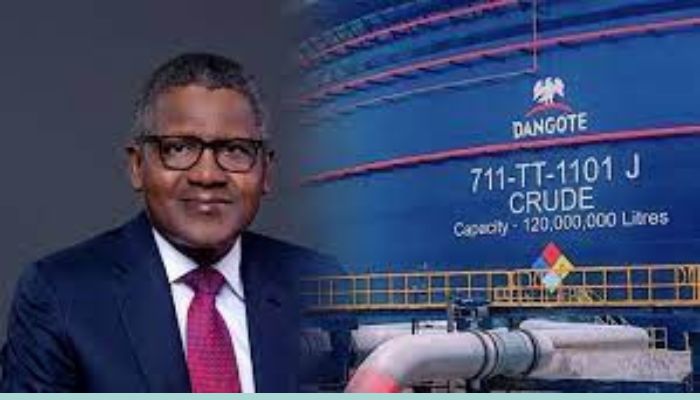
Nigeria's Petrol Imports Drop to $10 Billion in 2025
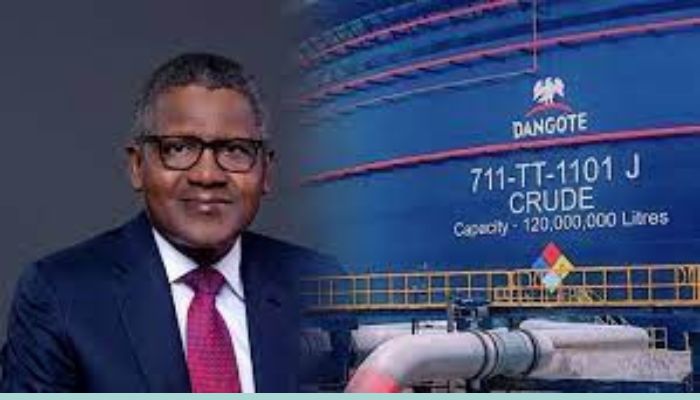
Dangote Refinery Imports $3.74bn Crude Oil in 2025

Nigerian Government to Resume Petrol and Diesel Imports, Impacting Dangote Refinery's Market Dominance

Dangote and Local Refineries to Slash Petrol Imports, Impacting Nigerian Marketers
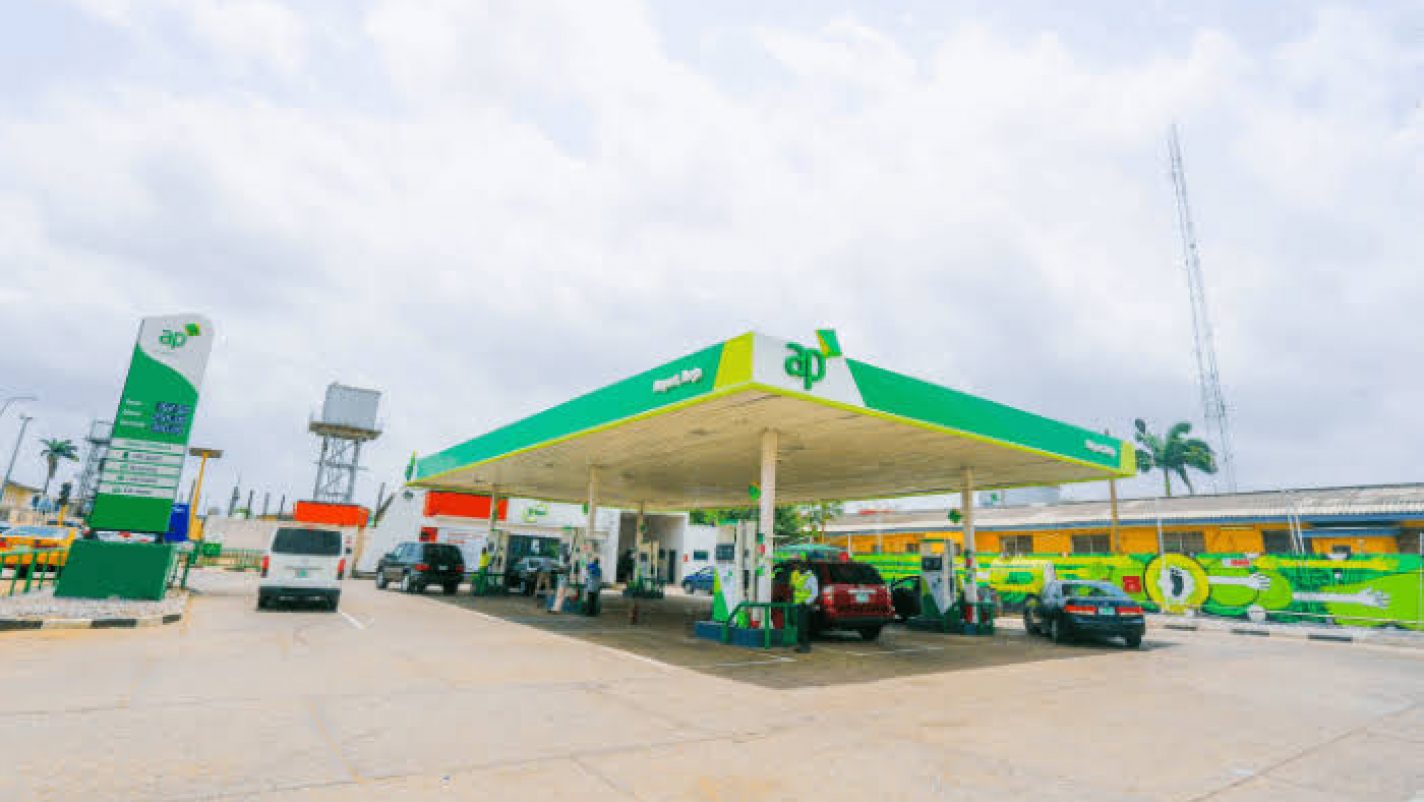
Nigeria's February 2026 Petrol Imports Hit Record Low

Dangote Refinery Stabilizes Nigeria's Petrol Supply Amid Crisis
Get Plus234Feed on messaging apps
Same headlines, delivered where you already scroll.


